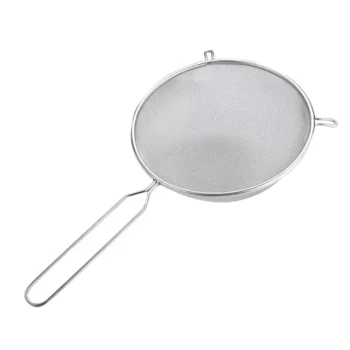
The selection of high-quality food-grade consumables is a critical technical control point in the extraction of hive products. The primary rationale lies in the physical and chemical stability of these materials, which prevents the introduction of foreign impurities during processing. This ensures that sensitive biological substances like honey, beeswax, and propolis maintain the purity levels required for use as raw materials in the pharmaceutical and cosmetic industries.
Core Takeaway: The use of certified food-grade consumables is not merely a regulatory formality; it is a functional necessity for preserving the biological integrity of hive products. It eliminates contamination risks that compromise chemical analysis and bioactivity, effectively upgrading the harvest from simple agricultural produce to high-value medical or cosmetic grade ingredients.
Ensuring Product Purity and Stability
The Role of Material Stability
The extraction process involves mechanical stress and chemical interactions. High-quality processing consumables are characterized by superior physical and chemical stability.
Because these consumables do not degrade or leach under processing conditions, they prevent the introduction of external impurities. This stability is the first line of defense in maintaining the chemical profile of the raw material.
Meeting Pharmaceutical and Cosmetic Standards
The pharmaceutical and cosmetic sectors impose strict "raw material requirements" regarding purity.
Using food-grade equipment is fundamental to ensuring the final product meets these specifications. Without this level of processing hygiene, the resulting beeswax or propolis cannot legally or technically be used in high-value applications like ointments or cosmetic bases.
Technical Implications for Refining and Testing
Optimizing Propolis Extraction
Propolis requires specific technical handling due to its complex composition. High-quality fine filtration media are essential for removing insoluble impurities, residual beeswax, and large molecular suspended matter.
This level of filtration produces a clear, transparent extract. This clarity is not just aesthetic; it is a technical prerequisite for the accurate measurement of dry weight concentration.
Ensuring Accurate Laboratory Analysis
The quality of processing consumables directly impacts the reliability of downstream testing. Impurities introduced during extraction can interfere with scientific observations.
For example, in antimicrobial activity tests (such as the agar dilution method for Salmonella), impurities can cause turbidity. This cloudiness obscures results and makes it impossible to accurately interpret the product's biological activity.
Preserving Bioactive Integrity
Maximizing Active Compound Retention
Beyond simple cleanliness, specialized processing tools are designed to separate materials efficiently without destroying them.
Compared to traditional manual extraction, modern high-grade equipment maximizes the preservation of bioactive compounds. This ensures the therapeutic properties of bee venom, royal jelly, and propolis remain intact during the transition from hive to harvest.
Protection from Environmental Contamination
High-purity consumables and collectors provide a sealed or controlled environment during harvest.
This protects the biological activity of substances from environmental contaminants, such as dust or moisture. Preventing moisture absorption is particularly critical for honey, as it inhibits fermentation and spoilage, ensuring long-term product integrity.
Understanding the Trade-offs
Cost vs. Capability
Investing in high-quality food-grade consumables and specialized machinery (such as wax melters or filtration systems) increases production costs compared to manual or non-graded methods.
The Risk of Over-Processing
While filtration is necessary, there is a balance to be struck. The goal is to remove impurities without stripping away the beneficial pollen or propolis micro-particles that give the product its character. However, the primary risk remains under-processing, which leads to batch rejection in high-value markets due to contamination.
Making the Right Choice for Your Goal
To select the appropriate processing consumables, you must define the intended end-use of your product:
- If your primary focus is Pharmaceutical Supply: Prioritize fine filtration media and chemically stable containers to ensure zero interference with turbidity tests and antimicrobial assays.
- If your primary focus is Cosmetic Manufacturing: Focus on specialized separators and wax melters that remove all insoluble matter to create smooth, high-purity bases for ointments and creams.
- If your primary focus is Retail Honey Sales: Invest in high-quality packaging consumables that prevent moisture absorption and crystallization to extend shelf life and aesthetic appeal.
Adopting high-grade processing standards allows you to transition your operation from selling raw commodities to supplying specialized, high-margin industrial ingredients.
Summary Table:
| Technical Factor | Requirement | Benefit |
|---|---|---|
| Material Stability | High-quality food-grade | Prevents chemical leaching and physical contamination. |
| Filtration Quality | Fine filtration media | Removes insoluble impurities; enables accurate dry weight measurement. |
| Bioactive Retention | Specialized machinery | Maximizes preservation of therapeutic compounds in propolis and royal jelly. |
| Environmental Seal | High-purity collectors | Protects against dust and moisture to prevent fermentation. |
| Industry Standards | Certified food-safe | Ensures eligibility for high-value pharmaceutical and cosmetic markets. |
Elevate Your Hive Product Standards with HONESTBEE
Transition from selling raw commodities to supplying high-margin, industrial-grade ingredients. HONESTBEE provides commercial apiaries and distributors with the professional-grade tools and machinery necessary to meet the most stringent pharmaceutical and cosmetic standards.
Our comprehensive wholesale portfolio includes:
- Precision Machinery: Advanced honey-filling and hive-making machines.
- Processing Equipment: High-performance wax melters and fine filtration systems.
- Essential Consumables: Food-grade tools and hardware for contamination-free extraction.
- Cultural Merchandise: Honey-themed products to expand your retail reach.
Don't let inferior materials compromise your harvest. Partner with HONESTBEE to ensure the biological integrity and market value of your honey, beeswax, and propolis.
Contact us today to optimize your apiary's production!
References
- O. Drebot, M. Vysochanska. Features of the development of the beekeeping industry in the context of global experience. DOI: 10.33730/2310-4678.3.2023.287821
This article is also based on technical information from HonestBee Knowledge Base .
Related Products
- Professional Stainless Steel Honey Filter with Support Handle
- Plastic Honey Gate Spout with Wing Nut for Beekeeping Honey Bucket
- Heavy Duty Stainless Steel Honey Processing Machine Decrystallizing Tank
- Stainless Steel Beekeeping Honey Extractor Lid
- 10L Stainless Steel Honey Wax Press Extractor for Wax Cappings
People Also Ask
- Why are stainless steel filters essential during the initial purification phase of honey processing? Ensure Purity
- What are the benefits of using a high-quality honey filter? Elevate Purity and Preserve Natural Flavor
- What is the primary purpose of honey filters? Achieve Professional Clarity & Pure Honey Quality
- What micron filter should I use for honey? Choose the Right Filter for Sales or Competitions
- Why do people filter honey? For Clarity, Stability, and Consumer Appeal