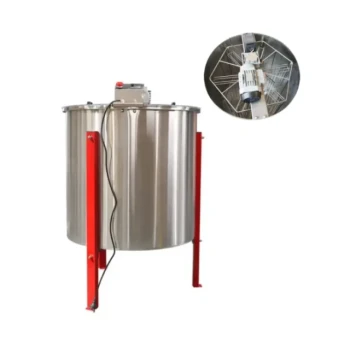
The technical role of industrial-grade propolis extraction equipment is to function as a precision purification system. It utilizes controlled temperature settings and specific solvent ratios to efficiently separate valuable resins and oils from the impurities found in raw hive material. By maximizing the retention of core bioactive components—specifically flavonoids—this equipment is the decisive factor in converting raw material into high-purity, commercial-grade products like drops and capsules.
The Core Insight Raw propolis is a complex, sticky matrix comprising beeswax, resin, and physical debris that is unsuitable for direct commercial use. Industrial extraction technology solves this by chemically and physically isolating the therapeutic fraction from the waste, transforming an inconsistent raw material into a standardized, high-value ingredient.
The Technical Process of Conversion
To understand how this equipment converts raw material, we must look at the specific mechanisms employed at each stage of the process.
1. Physical Transformation for Solvent Access
Before chemical extraction can occur, the physical state of the propolis must be altered to ensure the solvent can reach the bioactive compounds.
Cryogenic Embrittlement
Raw propolis is naturally viscoelastic and sticky, making it difficult to process. Industrial low-temperature freezing equipment cools the material to approximately -20°C. This induces a phase change, transforming the resin from a sticky solid into a brittle state that will not adhere to machinery.
Surface Area Maximization
Once brittle, industrial grinding machines pulverize the propolis into fine particles. This pulverization creates a massive increase in surface area. This is technically critical because it maximizes the contact interface between the solid material and the solvent, allowing for a rapid release of active components.
2. Enhancing Mass Transfer (The Extraction Phase)
The core conversion happens when the prepared propolis meets the solvent (typically ethanol) in industrial extraction tanks. The equipment manages this interaction through several high-tech methods.
Mechanical Agitation
Industrial stirring equipment provides continuous, high-intensity mechanical power. This agitation forces thorough contact between the resin matrix and the solvent. It breaks down physical barriers, facilitating the mass transfer of active substances like ferutinin and polyphenols out of the beeswax matrix and into the solution.
Ultrasonic Cavitation
Advanced setups employ ultrasonic extraction machines. These generate high-frequency vibrations that create "cavitation" (microscopic bubbles) within the liquid. When these bubbles collapse, they disrupt the physical structure of the propolis, accelerating solvent penetration and significantly shortening the extraction cycle.
3. Purification and Bioactive Retention
The final role of the equipment is ensuring that what is extracted is pure and potent.
Selective Separation
The equipment is designed to filter out excess beeswax and insoluble impurities. By controlling the reaction environment, the machinery ensures that the final output meets specific soluble matter content standards, leaving behind a refined extract.
Thermal Preservation
Heat can destroy the fragile bioactive ingredients in propolis. Industrial equipment utilizes mild conditions and precise temperature controls during processing. This protects the integrity of flavonoids and phenolic acids, directly impacting the efficacy of the final commercial product.
Understanding the Trade-offs
While industrial equipment is essential for scale and quality, it introduces variables that must be managed carefully.
Solvent Selectivity vs. Toxicity
The equipment is compatible with various solvents, but the choice dictates the end product. While ethanol is the standard for consumable products (drops/capsules), other solvents like methanol offer high efficiency but are generally unsuitable for ingestion. You must match the solvent strictly to the intended use case.
Efficiency vs. Integrity
Techniques like ultrasonic extraction offer speed, but excessive energy input can potentially degrade sensitive compounds if not monitored. Conversely, traditional mechanical stirring is gentler but requires significantly longer processing times (often up to a week) to achieve the same yield.
Making the Right Choice for Your Goal
The type of equipment configuration you prioritize should depend on the specific requirements of your final product.
- If your primary focus is Potency and Efficacy: Prioritize equipment with advanced temperature controls and ultrasonic capabilities to maximize flavonoid retention without thermal degradation.
- If your primary focus is Production Speed: Focus on high-efficiency grinding and ultrasonic systems to accelerate the mass transfer process and shorten extraction cycles.
- If your primary focus is Purity (Visual and Chemical): Ensure your extraction tanks are equipped with superior filtration capabilities to effectively separate beeswax and insoluble impurities.
Ultimately, the equipment is not just about processing volume; it is the technical gatekeeper that determines whether your final product is a generic extract or a high-value therapeutic formulation.
Summary Table:
| Stage | Technical Process | Key Equipment | Primary Outcome |
|---|---|---|---|
| Preparation | Cryogenic Embrittlement | Low-temp Freezing & Grinding | Increased surface area & non-sticky material |
| Extraction | Mass Transfer & Cavitation | Ultrasonic & Agitation Tanks | Rapid release of flavonoids and polyphenols |
| Purification | Selective Separation | Advanced Filtration Systems | Removal of beeswax and insoluble impurities |
| Refinement | Thermal Preservation | Temp-controlled Processing | Retention of bioactive integrity and potency |
Elevate Your Propolis Production with HONESTBEE
Maximize your yield and product purity with HONESTBEE’s specialized industrial-grade equipment. As a leading supplier for commercial apiaries and global distributors, we provide the full spectrum of beekeeping tools—from precision propolis extraction lines and honey-filling machines to essential consumables and cultural merchandise.
Our hardware is engineered to transform raw hive materials into high-value, standardized ingredients, ensuring your business leads the market in quality and efficiency.
Ready to scale your extraction capabilities? Contact us today for a wholesale consultation and let HONESTBEE empower your production journey.
References
- Savica Dimitrieska, Tanja Efremova. PROBLEMS IN THE PROMOTION OF HONEY AND BEE PRODUCTS. DOI: 10.37708//ep.swu.v10i1.2
This article is also based on technical information from HonestBee Knowledge Base .
Related Products
- 8 Frame and 10 Frame Propolis Trap Collector Screen for Propolis Collection
- Heavy Duty Stainless Steel Frame Cleaner with Plastic Handle
- HONESTBEE 72 Frame Industrial Electric Honey Extractor for Beekeeping
- Professional Stainless Steel Pry-Bar Hive Tool
- HONESTBEE 2 Frame Manual Acrylic Honey Extractor Beekeeping Equipment
People Also Ask
- Why is a specific wooden frame required when installing a propolis screen? Optimize Your Propolis Harvest Efficiency
- What are the advantages of using propolis collector screens? Elevate Your Harvest to Pharmaceutical Purity
- How do propolis collection screens work? Discover material specs for commercial harvesting equipment
- How does the mesh size of a propolis collection screen influence the efficiency of propolis harvesting? Optimize Yields!
- How do commercial-grade plastic screens compare to custom fine-mesh screens? Maximize Your Propolis Yield & ROI