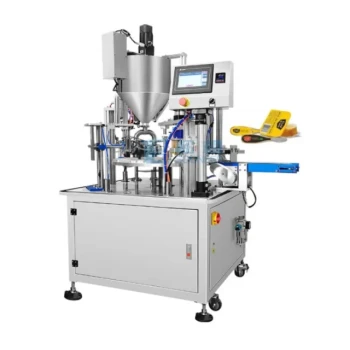
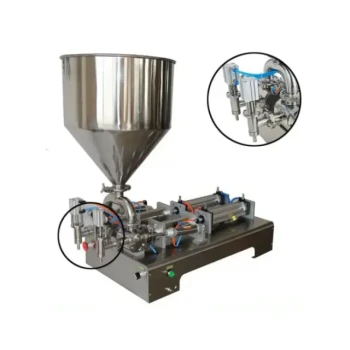
The primary technical value of an automatic honey filling machine lies in its use of precision pistons or servo systems to dynamically adapt to the differing viscosity and crystallization characteristics of honey derived from diverse plant sources, such as Rosaceae and Fabaceae. By automating the quantitative dispensing process, this equipment eliminates the inconsistencies of manual handling, reduces the waste of high-value product, and employs sealed filling techniques to extend shelf life and ensure food safety.
The core value of this technology is the ability to standardize production despite the biological variability of the raw material. It transforms a variable artisan product into a consistent commercial commodity by utilizing high-precision fluid control to manage density differences while strictly maintaining a closed, hygienic environment.
Handling Botanical Variability
The chemical composition of honey varies significantly depending on its floral source. Honey from the Rosaceae family may exhibit different flow rates and crystallization tendencies compared to honey from the Fabaceae family.
Precision Fluid Control
Automatic fillers utilize precision pistons or servo systems to manage these physical differences. These mechanisms apply exact force to dispense accurate quantities, regardless of whether the specific honey batch is thick and viscous or more fluid. This ensures that the weight and volume in every jar remain consistent, even as you switch between different floral sources.
Managing Crystallization Characteristics
Different floral sources crystallize at different rates, altering the texture and flow of the honey during processing. Automatic machinery is designed to handle these textural changes without clogging or varying the dosage. This capability is essential for preventing bottlenecks when processing honeys that are prone to rapid crystallization.
Preserving Quality and Hygiene
Beyond simple measurement, the technical architecture of these machines is designed to protect the biological integrity of the honey.
Isolation from Environmental Factors
The filling process utilizes a sealed or closed-loop operation. This effectively isolates the honey from contact with the air during the critical packaging phase. Minimizing air exposure is vital for extending the shelf life and preventing oxidation that could degrade the honey's flavor profile.
Elimination of Secondary Contamination
Manual filling introduces significant risks of human contact and environmental contamination. Industrial-grade automation mitigates this risk through hygienic sealing technologies. This ensures the final product meets rigorous food safety standards required for large-scale distribution.
Economic and Operational Efficiency
The technical precision of the equipment directly translates into economic advantages for the producer.
Waste Reduction
When dealing with high-value monofloral or polyfloral honey, every drop counts. Precision dispensing prevents the overfilling and spillage common in manual operations. This waste reduction is critical when processing premium, niche honey varieties where margins rely on maximizing yield.
Standardization for High-End Markets
To sell in high-end markets, product specifications must be uniform. Automated machinery ensures that honey harvested from different regions or subspecies maintains consistent packaging standards. This uniformity allows producers to scale operations while satisfying the strict quality control requirements of major retailers.
Understanding the Trade-offs
While automatic filling machines offer significant technical advantages, they introduce specific operational challenges that must be managed.
Calibration Complexity
The flexibility to handle diverse honey types comes with a setup cost. Operators must precisely calibrate the pistons or servos when switching from a thin honey (like Acacia) to a thicker, crystalline variety. Failure to adjust settings correctly can lead to under-filling or mechanical strain.
Maintenance Dependencies
Unlike manual methods, these systems rely on complex mechanical and fluid control components. They require regular maintenance and cleaning of the dispensing nozzles and seals to prevent cross-contamination between batches. This necessitates a higher level of technical skill from the operating staff.
Making the Right Choice for Your Goal
Selecting the right automation level depends on your specific production targets and market position.
- If your primary focus is maximizing yield from premium sources: Prioritize machines with high-precision servo controls to eliminate waste when packaging expensive, specific floral source honeys.
- If your primary focus is food safety and shelf life: Ensure the machine features a fully closed-loop filling system to minimize oxidation and secondary contamination risks.
Invest in automation not just for speed, but to create a standardized, hygienic barrier that protects the unique characteristics of your diverse honey sources.
Summary Table:
| Technical Feature | Benefit for Diverse Honey Sources |
|---|---|
| Precision Servo Systems | Dynamically adapts to varying viscosities (e.g., Rosaceae vs. Fabaceae) |
| Closed-Loop Operation | Minimizes air exposure/oxidation to extend shelf life and flavor |
| Quantitative Dispensing | Eliminates product waste and ensures consistent weights for high-end markets |
| Hygienic Sealing | Prevents secondary contamination and ensures rigorous food safety compliance |
Elevate Your Honey Production with HONESTBEE
At HONESTBEE, we understand that every drop of honey is a result of nature’s hard work. As a dedicated partner to commercial apiaries and global distributors, we provide more than just equipment—we provide the precision needed to preserve the unique characteristics of your floral sources.
From high-precision honey-filling machines that handle diverse viscosities to specialized hive-making machinery and beekeeping tools, our comprehensive wholesale offering is designed to scale your business. Whether you need industrial hardware or essential industry consumables, we help you transform variable raw materials into standardized, premium commercial products.
Ready to maximize your yield and efficiency?
Contact HONESTBEE today for a tailored equipment consultation
References
- Florentina Sandu, A. Stratu. Plant Species Important for Pollinating Insects. Case Study: Băiceni Locality (Botoşani County). DOI: 10.2478/abmj-2023-0009
This article is also based on technical information from HonestBee Knowledge Base .
Related Products
- Automatic Honey Filling and Filtering Machine for Beekeeping Bottle Filling
- Fully Automatic Honey Filling Packaging Machine for Processing Line
- Semi Automatic Small Honey Bottle Filling Machine Honey Filler
- Automatic Single-Dose Snap & Squeeze Honey Sachets Packing Machine
- Precision Durable Efficient HONESTBEE Rotary Honey Filling Machine
People Also Ask
- What process advantages do professional honey filtering and filling machines provide? Optimize Your Organic Honey Output
- How do honey filling and filtering machines increase product value? Turn Raw Honey into Premium Export-Grade Goods
- How do honey filtration and filling machinery contribute to industrialization? Scale Your Commercial Honey Production
- What specific issues do industrial filtration and automated filling machinery address? Ensure Honey Quality & Compliance
- How does the use of professional honey filtration and filling machinery facilitate international honey exports?