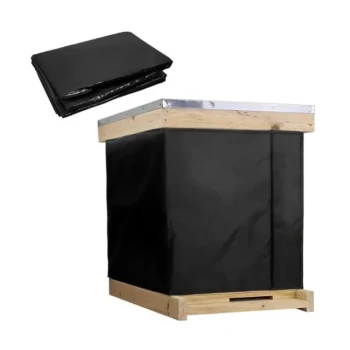
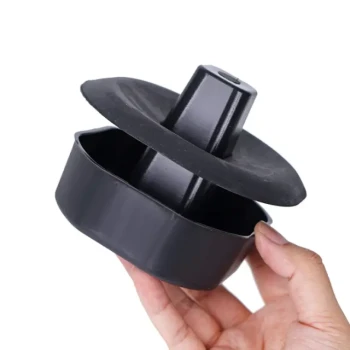
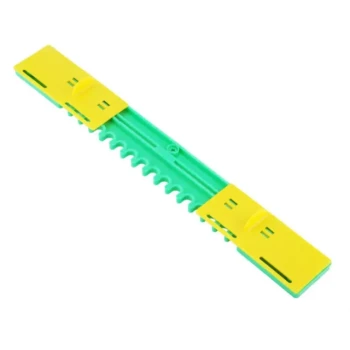
High-latitude overwintering success depends fundamentally on stabilizing the hive's internal microclimate. The technical value of these facilities lies in their ability to significantly reduce heat dissipation and strictly control moisture condensation caused by bee respiration, creating a survivable physical environment.
While warmth is a factor, the core technical objective is stability. Professional insulation and moisture barriers work together to conserve colony energy and prevent the lethal accumulation of internal dampness.
Thermal Regulation and Energy Conservation
Reducing Heat Dissipation
The primary function of professional insulation materials is to minimize the rate at which heat escapes the hive. In high-latitude regions, the temperature differential between the cluster and the outside air is extreme.
Stabilizing the Internal Environment
By reducing thermal loss, insulation helps maintain a stable physical environment. This stability reduces the metabolic workload on the bees, allowing them to conserve energy reserves rather than burning through honey stores solely to generate heat.
Managing Respiratory Moisture
Addressing Condensation Buildup
A critical technical challenge in cold climates is moisture condensation resulting directly from honeybee respiration. As the colony consumes honey to stay warm, they release water vapor.
The Function of Moisture-Proof Layers
Without moisture-proof layers, this vapor creates a damp environment that can chill the cluster or freeze on the inner walls. Effective moisture-proofing controls this condensation, ensuring the hive remains dry enough for bee survival.
Physical Integrity and Protection
Preventing Rodent Intrusion
Anti-rodent tools serve as essential auxiliary equipment to protect the structural integrity of the hive. During winter, small mammals seek warmth and food sources.
Protecting the Combs
These tools prevent rodents from entering the hive and damaging the combs. Preserving the combs is vital, as any damage disrupts the colony's food storage and physical structure during their most vulnerable period.
Understanding the Operational Trade-offs
The Balance of Insulation and Ventilation
While reducing heat dissipation is critical, it must be balanced with moisture control. The technical goal is to retain heat without trapping the moisture generated by respiration.
Reliance on Auxiliary Equipment
Success in high latitudes is rarely achieved through the hive structure alone. You must view insulation, moisture layers, and anti-rodent tools not as optional add-ons, but as essential components of the management system.
Making the Right Choice for Your Goal
To maximize colony survival in cold regions, you must integrate these protections into a cohesive system.
- If your primary focus is Energy Conservation: Prioritize high-quality insulation materials to reduce heat dissipation and lower honey consumption rates.
- If your primary focus is Colony Health: Focus on moisture-proof layers to manage respiratory condensation and prevent the damp conditions that lead to disease and freezing.
- If your primary focus is Infrastructure Protection: Ensure anti-rodent tools are installed early to prevent physical destruction of combs during the quiet winter months.
Technical overwintering management is ultimately about creating a controlled barrier against the chaotic variables of a high-latitude winter.
Summary Table:
| Technical Feature | Primary Function | Impact on Colony |
|---|---|---|
| Thermal Insulation | Minimizes heat dissipation | Reduces metabolic workload and honey consumption |
| Moisture-Proofing | Controls respiratory condensation | Prevents damp-induced chilling and internal freezing |
| Anti-Rodent Tools | Protects physical hive integrity | Prevents comb destruction and food storage disruption |
| Microclimate Stability | Balances heat and ventilation | Ensures long-term colony health in extreme cold |
Secure Your Apiary’s Future with HONESTBEE
High-latitude overwintering demands more than standard gear—it requires a precision-engineered management system. At HONESTBEE, we specialize in supporting commercial apiaries and distributors with high-performance beekeeping tools, specialized hive-making machinery, and essential consumables designed for the toughest climates.
From advanced insulation solutions to industrial-grade honey-filling equipment, our comprehensive wholesale portfolio empowers you to scale your operations and protect your investments. Ready to upgrade your inventory or optimize your colony survival rates? Contact us today to discuss our volume pricing and specialized equipment solutions.
References
- Jiao Tang, Chao Chen. A National Survey of Managed Honey Bee Colony Winter Losses (Apis mellifera) in China (2013–2017). DOI: 10.3390/d12090318
This article is also based on technical information from HonestBee Knowledge Base .
Related Products
- Professional Insulated Plastic Bee Hives
- Professional Insulated Winter Hive Wrap for Beekeeping
- Inner Beehive Cover for Beekeeping Bee Hive Inner Cover
- Professional Ant-Proof Beehive Stand with Integrated Moat for Beekeeping
- Langstroth Solid Bottom Board for Beekeeping
People Also Ask
- What are the advantages of plastic bee hives? Boost Efficiency & Durability for Your Apiary
- Are plastic bee hives any good? Unlock Durability & Efficiency for Your Apiary
- How do plastic bee hives compare to wooden hives in handling? Reduce Strain & Boost Efficiency
- Are plastic bee hives good? Durable, Low-Maintenance Hives for Modern Apiaries
- What are the disadvantages of plastic beehives? Key Operational and Environmental Risks Exposed