A solar wax melter delivers robust thermal performance, capable of reaching and sustaining internal temperatures up to 50 degrees Fahrenheit above the natural melting point of wax. By utilizing a glass or double-webbed cover to trap solar radiation, the device creates a high-heat environment that liquefies honeycomb structures without exposing the valuable wax to degrading ultraviolet (UV) rays.
Core Takeaway: Solar wax melters are designed to function as passive thermal ovens, generating temperatures significantly higher than the melting threshold (often targeting around 70°C / 158°F) to ensure consistent flow and filtration while preserving the chemical integrity of the wax.
The Mechanics of Thermal Efficiency
Passive Solar Gain
The core of the melter’s performance lies in its transparent top cover, typically made of glass or a double web plate.
This barrier allows shortwave solar radiation to enter the box while trapping the resulting longwave thermal radiation inside.
Operational Temperature Range
To function effectively, the internal atmosphere must exceed the wax's melting point.
Primary data indicates these units can maintain temperatures 50°F higher than the wax's melting threshold. Supplementary data suggests the target heating range for the honeycomb is often around 70°C (approx. 158°F).
Protection from Elements
While heat is necessary, direct exposure to the sun's full spectrum can bleach or damage wax.
High-quality melters are designed to block harmful UV rays from reaching the contents, ensuring the final product retains its quality despite the high internal temperatures.
Maximizing Heat and Flow
The Role of Insulation
Temperature retention is just as critical as heat generation.
Advanced insulation within the box ensures that once the target temperature is reached, it is maintained long enough to melt the entire batch efficiently.
Increasing Solar Concentration
To push temperature performance higher, the efficiency of the device can be augmented with reflectors.
Fixing mirror sheets to the inner walls concentrates additional solar rays onto the frame, accelerating the melting process.
Gravity-Assisted Filtration
Temperature alone does not clean the wax; it works in tandem with gravity.
The melter is designed with a specific angle, causing the liquified wax to flow through a sieve—removing coarse impurities—and into a collection pallet or bucket.
Understanding the Trade-offs
Weather Dependency
The primary limitation of this thermal performance is its reliance on available sunlight.
In overcast conditions or cooler climates, the device may struggle to reach the "50°F buffer" required for optimal flow.
Auxiliary Heating Requirements
To mitigate weather dependency, some models incorporate an auxiliary electric heating element.
This hybrid approach solves the inconsistency of solar power but introduces energy costs to an otherwise zero-cost operation.
Making the Right Choice for Your Goal
When selecting or configuring a solar wax melter, consider your specific operational priorities:
- If your primary focus is maximum efficiency: Incorporate internal mirror reflectors to concentrate heat and ensure the melter reaches the highest possible temperature quickly.
- If your primary focus is wax quality: Ensure the glass or cover material is specifically rated to block UV rays to prevent bleaching during the melting process.
- If your primary focus is all-weather reliability: Choose a model that supports an auxiliary electric heating element to maintain production during low-sun periods.
By leveraging the greenhouse effect within a simple insulated box, you can turn free solar energy into a potent purification tool.
Summary Table:
| Feature | Performance Detail | Benefit |
|---|---|---|
| Target Temperature | ~70°C (158°F) | Ensures consistent wax flow and filtration |
| Thermal Buffer | +50°F above melting point | Reliable melting even with minor sun fluctuations |
| UV Protection | Glass/Double-webbed cover | Prevents wax bleaching and chemical degradation |
| Heat Augmentation | Internal mirror reflectors | Accelerates melting process in lower light |
| Heat Retention | High-grade insulation | Maintains temperature for batch processing |
Elevate Your Apiary's Efficiency with HONESTBEE
Maximize your wax production and purity with professional-grade solutions from HONESTBEE. As a leading supplier for commercial apiaries and global distributors, we provide a comprehensive range of beekeeping tools, from high-performance solar melters to advanced honey-filling machinery and essential consumables.
Whether you are scaling your wholesale operations or seeking specialized hardware for cultural merchandise, our expertise ensures your success. Contact us today to discover how our wholesale offerings can streamline your honey and wax processing workflows!
Related Products
- Solar Beeswax Melter Easy Solar Wax Melter for Beeswax
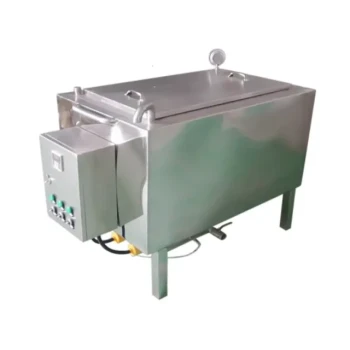
- Electric Commercial Beeswax Melter for Factory Use
- Beeswax Melter for Candle Making Honey Bee Wax Melter
- Professional Stainless Steel Wax Melter for Beekeeping and Crafts
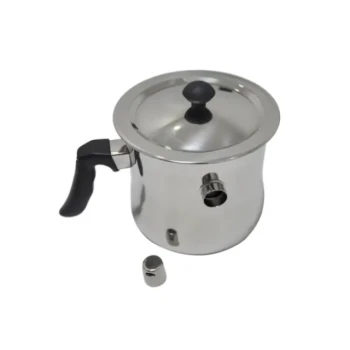
- Steam Beeswax Melter Wax Warmer for Wax Processing
People Also Ask
- How does a solar melter work to process beeswax? The Eco-Friendly Way to Pure Wax
- What is a solar wax melter and how does it work? Harness the Sun for Pure Beeswax
- What are the benefits of using a solar wax melter? Harness the Sun for Pure, Cost-Effective Beeswax
- What is the purpose of a solar wax melter in beekeeping? Sustainable Wax Processing for Modern Apiaries
- How does a solar-powered frame wax melter work? Harness the Sun for Sustainable Beekeeping