Effective frame maintenance relies on a structured three-step cycle: mechanical scraping, thermal scrubbing, and controlled drying. To clean bee frames properly, first scrape off all wax and debris (saving clean wax for rendering and discarding waste), then scrub the frames and foundation with very hot water, and finally rinse and air dry them away from direct sunlight.
Core Takeaway Cleaning bee frames is a balance between hygiene and equipment preservation. By removing debris and wax residues before scrubbing, you protect your plumbing from clogs while preparing the foundation for a new colony to focus on production rather than cleaning.
Step 1: Mechanical Removal (Scraping)
Remove Valuable Wax
Begin by scraping off all accessible wax from the frames. This is a resource recovery opportunity; collected wax can be rendered later using a solar wax melter or an dedicated old crock pot.
Clear the Foundation
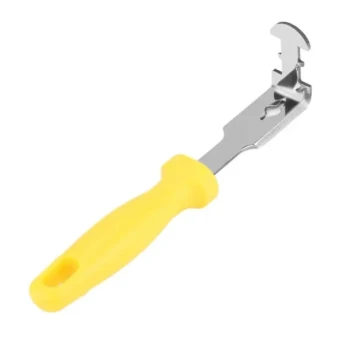
Ensure the foundation is free of bulk material. While the primary goal is wax removal, you may need to use a hive tool or knife to cut out old comb or scrape away burr comb and propolis.
Dispose of Waste Properly
During this stage, strictly separate biological waste from wax. Scrape any bee excrement (poop) from the frame tops directly into a trash bag. Do not attempt to salvage or render material contaminated with waste.
Step 2: Thermal Cleaning (Scrubbing)
Apply High Heat
Once the bulk wax is removed, scrub both the frames and the exposed foundation thoroughly using very hot water. Heat is the primary cleaning agent here, softening remaining residues for easier removal.
Target Tough Spots
If you are dealing with mold on the frames (excluding black mold), you can scrub hard components with a mixture like salt water. However, for standard cleaning, hot water and mechanical scrubbing are usually sufficient to clear the surface.
Step 3: Rinsing and Drying
Rinse Thoroughly
After scrubbing, rinse the frames completely to remove any loosened debris or dirty water.
Air Dry with Caution
Let the frames air dry completely before reusing or storing them. Crucially, keep them out of direct sunlight during this process. Direct sun exposure can cause plastic foundations to warp, rendering the frame unusable.
Critical Pitfalls to Avoid
The Plumbing Hazard
Never use a household sink for the scrubbing step. Even after scraping, residual wax will melt in the hot water. As it travels down your pipes, it will cool, harden, and eventually clog your drain lines. Perform this step outdoors or in a utility area with appropriate filtration.
Heat Distortion
While hot water is necessary for cleaning, solar heat is dangerous for drying. Plastic foundations are sensitive to the intense heat and UV rays of direct sunlight, which can lead to permanent warping.
Ensuring Longevity and Hygiene
Understanding the intent behind your cleaning process helps you prioritize the right steps.
- If your primary focus is Wax Recovery: Prioritize the first step, carefully separating clean wax from propolis and waste for rendering in a solar melter.
- If your primary focus is Disease Prevention: Focus on the scrubbing and drying phases, ensuring all organic matter and mold are removed to allow the new colony to focus on pollination and production.
By following this disciplined protocol, you extend the life of your equipment and provide a healthier environment for your bees.
Summary Table:
| Step | Process Name | Key Actions | Main Objective |
|---|---|---|---|
| 1 | Mechanical Removal | Scraping wax, clearing foundation, waste disposal | Wax recovery & bulk debris removal |
| 2 | Thermal Cleaning | Scrubbing with very hot water | Softening residues & sanitation |
| 3 | Rinsing & Drying | Thorough rinsing & shaded air drying | Preparing for storage/use & preventing warping |
Maximize Your Apiary Productivity with HONESTBEE
Maintaining hygienic frames is vital for hive health, but having the right professional-grade equipment is what scales your success. HONESTBEE specializes in supporting commercial apiaries and distributors with a comprehensive wholesale range of beekeeping solutions.
From high-efficiency honey-filling and hive-making machines to essential consumables and specialized hardware, we provide the tools you need to streamline your operations and enhance your market presence. Whether you are expanding your commercial fleet or seeking premium supplies for your distribution network, our expert team is ready to assist.
Ready to upgrade your beekeeping operation? Contact HONESTBEE Today to discover how our tailored equipment and wholesale offerings can drive your business forward.
Related Products
- Professional Stainless Steel Frame Cleaner with Ergonomic Wood Handle
- Heavy Duty Stainless Steel Frame Cleaner with Plastic Handle
- Precision Stainless Steel Frame Cleaner for Hive Grooves and Corners
- Wooden Bee Hive Frames for Beekeeping and Wholesale
- Durable Galvanized Steel Frame Grip
People Also Ask
- What are the physical characteristics of the frame cleaning tool? Durable Wood Design for Effective Hive Maintenance
- What is the purpose of the frame cleaning tool? A Precision Tool for Efficient Frame Maintenance
- What tools are used for cleaning frames? A Beekeeper's Simple 4-Tool Guide
- In what specific situation is the frame cleaning tool particularly useful? Master Cut Comb Maintenance
- What is the function of the frame cleaning tool in beekeeping? Streamline Your Apiary Hygiene and Maintenance