Honey typically contains between 14% and 20% water, with the ideal range for long-term quality falling between 14% and 18%. This water is primarily residual moisture remaining from the nectar ripening process, but because honey is hygroscopic—meaning it absorbs moisture from the air—this percentage can fluctuate significantly based on environmental conditions and handling.
Core Insight: Water content is the single most critical determinant of honey’s preservation and shelf life. While honey must be dry enough to prevent fermentation, excessively low moisture levels will accelerate natural crystallization.
Key Factors Influencing Moisture Levels
The water content in your honey is rarely static. It is influenced by a combination of biological processes, environmental conditions, and human intervention during the harvest.
Nectar Origin and Maturity
The botanical source of the nectar plays a fundamental role in the initial moisture content. Different plants produce nectar with varying water compositions.
However, maturity is even more critical. Honey must be allowed to fully ripen within the hive. If harvested too early—before the bees have evaporated enough water and capped the cells—the moisture content will be naturally higher.
Environmental Conditions
The climate and weather during the nectar flow heavily impact the final product.
Harvesting during wet springs or in geographical areas with high average humidity can result in honey with higher natural water content. In these conditions, bees struggle to evaporate moisture down to safe levels efficiently.
Storage and Handling
Because honey is hygroscopic, it seeks equilibrium with the surrounding atmosphere.
If you store uncapped frames in a humid environment before extraction, the honey will pull moisture from the air. Similarly, improper storage of extracted honey in non-air-tight containers can cause water levels to creep up over time.
Understanding the Trade-offs: Stability vs. Texture
Managing water content is a balancing act. You are essentially managing the risk of spoilage against the physical state of the honey.
The Danger of High Moisture (Fermentation)
If water content exceeds 18-20%, the stability of the honey is compromised.
High moisture creates an environment where osmophilic yeasts can thrive, leading to rapid fermentation. This results in increased acidity and a sour taste, rendering the product unsuitable for general table use (often downgrading it to "baker's honey").
The Implication of Low Moisture (Crystallization)
On the other end of the spectrum, very low water content provides excellent protection against spoilage but affects texture.
Honey with extremely low moisture is much more prone to rapid crystallization or granulation. While this does not indicate spoilage, it changes the visual appeal and texture, which may be undesirable depending on your market.
Making the Right Choice for Your Goal
To ensure the highest quality product, you must monitor moisture levels closely during both harvest and storage.
- If your primary focus is preventing spoilage: Ensure your honey is harvested only after it is fully capped and mature to keep moisture below 18%.
- If your primary focus is operational processing: Avoid harvesting during high-humidity weather and process uncapped frames immediately to prevent moisture absorption.
- If your primary focus is long-term storage: Utilize airtight containers to protect the honey from its own hygroscopic nature.
By controlling these variables, you secure the delicate balance between a stable, liquid product and one vulnerable to fermentation.
Summary Table:
| Moisture Content | Risk/Stability | Typical Effect |
|---|---|---|
| Below 14% | Extremely Stable | Very thick, prone to rapid crystallization |
| 14% - 18% | Ideal Range | Optimum balance for long-term storage and quality |
| 18% - 20% | Marginal Risk | Susceptible to fermentation if storage is improper |
| Above 20% | High Risk | Likely to undergo fermentation (Baker's Honey) |
Elevate Your Honey Production with HONESTBEE
Maintaining the perfect moisture balance is critical for commercial success in the honey industry. HONESTBEE empowers commercial apiaries and distributors with the professional-grade tools needed to ensure peak quality. From honey-filling machines that preserve product integrity to a full spectrum of beekeeping machinery, hive-making hardware, and essential consumables, we provide the comprehensive wholesale solutions your business requires.
Whether you are scaling your extraction process or looking for specialized cultural merchandise, our expertise delivers unmatched value to your operation. Contact us today to discuss how our wholesale equipment and industry insights can optimize your production and safeguard your harvest.
Related Products
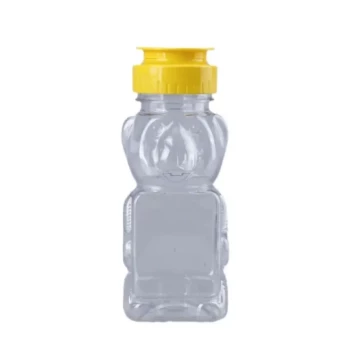
- Classic Honey Bear Jars with Flip Top Dispensing Cap for Liquid Sweeteners
- Economy Small Scale Honey Dryer Dehumidifier Thickening Machine
- Professional Plastic Honey Dipper for Easy Honey Drizzling
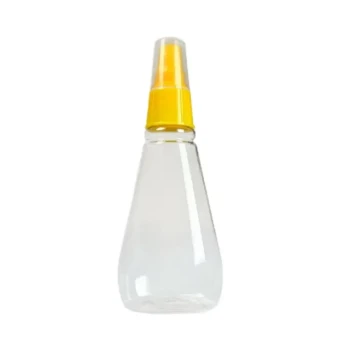
- Inverted Squeezable Honey Jar with No Drip Flip Top Cap for Easy Pouring
- Precision Honey Refractometer Instrument for Quality Assessment
People Also Ask
- What food safety standards must honey containers meet? Expert Guide to Packaging Integrity & Hygiene
- Why is it important to distinguish between weight and volume when selecting honey containers? Maximize Profits Now
- What are the benefits of purchasing honey containers in bulk? Maximize Margins & Secure Your Supply Chain
- What should be considered when choosing a container for honey to ensure effective sealing? Master Honey Packaging Success
- What is the best container to store honey in? Preserve Purity & Flavor for Years