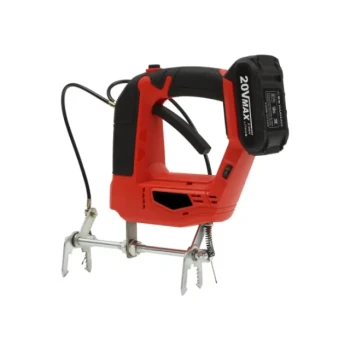
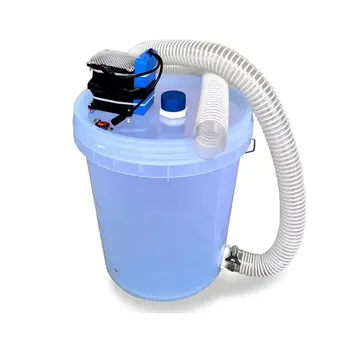
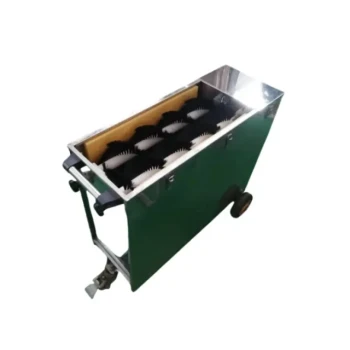
The working principle relies on bio-electrical stimulation. A low-voltage pulse-controlled collector sends direct current (DC) pulses through tensioned conductive wires. When worker bees contact these wires, the mild electrical shock provokes a defensive sting reflex, causing them to discharge venom onto a glass plate without losing their stingers or dying.
This technology solves the critical challenge of extraction by decoupling venom collection from bee mortality. It allows for the large-scale harvesting of high-purity venom while preserving the hive population for simultaneous honey production.
The Mechanics of Stimulation
The Circuit Architecture
The core of the system is a pulse generator.
This component creates a specific rhythm of electrical impulses. Instead of a continuous current, which could be harmful or lethal, the device uses intermittent pulses to mimic an external threat.
The Conductive Interface
The physical interface consists of tensioned conductive metal wires.
These wires are positioned so that worker bees inevitably brush against them. The wires act as the trigger mechanism, delivering the pulse directly to the bee upon contact.
The Defensive Response
The stimulation targets the bee's natural defense instincts.
When the pulse hits, the bee perceives it as an attack. It reacts by stinging the surface immediately below the wires. Crucially, because the bee is stinging a hard surface rather than soft tissue, the stinger does not become embedded.
This ensures the bee can retract its stinger and walk away unharmed, maintaining the colony's workforce.
The Collection and Harvesting Process
The Collection Medium
Beneath the wires sits a glass collection plate.
As the bees react to the shock, they deposit fresh venom directly onto this glass surface. The glass is non-absorbent and chemically inert, which is essential for maintaining the purity of the raw material.
Evaporation and Concentration
Once deposited, the venom undergoes a natural drying process.
Volatile components in the liquid venom evaporate into the air. This leaves behind a crystallized, high-concentration bee venom powder.
Final Extraction
The final step is mechanical harvesting.
Because the venom has dried into a powder on the smooth glass, it can be easily scraped off. This results in a high-purity raw material suitable for industries ranging from pharmaceuticals to bio-based pesticides.
Understanding the Operational Trade-offs
Voltage Precision is Critical
The system relies entirely on a "safe voltage range."
There is a strict operational window for the DC pulses. If the voltage is too low, the bees will ignore the wires and no venom will be collected.
Conversely, if the voltage exceeds the safe threshold, the device moves from stimulating the bees to harming them. Success requires precise calibration to ensure the pulse remains an irritant rather than a lethal force.
Environmental Dependency
The harvesting process relies on evaporation.
While the electrical component is active, the collection efficiency depends on the venom drying on the plate. High humidity or low temperatures could alter the time required for the volatile components to evaporate, potentially slowing down the scraping and collection phase.
Making the Right Choice for Your Goal
This technology is designed to balance yield with sustainability. Here is how to view the equipment based on your specific objectives:
- If your primary focus is Pharmaceutical Purity: Prioritize the use of glass plates and the natural evaporation process to ensure the final powder is free of contaminants and volatile liquids.
- If your primary focus is Colony Sustainability: Focus on the calibration of the pulse generator to ensure the voltage induces a reaction without compromising the lifespan of the worker bees.
By utilizing precise electrical pulses, you transform venom collection from a lethal sacrifice into a sustainable, repeatable harvest.
Summary Table:
| Feature | Specification/Detail |
|---|---|
| Stimulation Method | Low-voltage Direct Current (DC) Pulses |
| Trigger Mechanism | Defensive sting reflex upon contact with tensioned wires |
| Collection Surface | Non-absorbent, chemically inert glass plate |
| Bee Survival Rate | High; stingers do not become embedded in glass |
| Final Product Form | High-purity crystallized venom powder |
| Key Component | Calibrated Pulse Generator for safe voltage control |
Boost Your Apiary’s Revenue with HONESTBEE Technology
Are you looking to diversify your commercial apiary’s output with high-purity bee venom? HONESTBEE specializes in professional-grade beekeeping machinery and tools designed for efficiency and colony health.
From advanced bee venom collectors to honey-filling machines and specialized hive hardware, we provide commercial apiaries and distributors with the equipment needed to scale production.
Our value to you:
- Comprehensive Wholesale Solutions: A full spectrum of tools and consumables at competitive prices.
- Industrial Reliability: Durable machinery built for large-scale operations.
- Global Distribution Support: We cater specifically to the needs of distributors worldwide.
Ready to upgrade your collection capabilities? Contact us today to discuss your wholesale needs and see how HONESTBEE can power your growth.
References
- A. A. M. Kamel, Dayem M.R.. SYNERGISTIC ANTIOXIDANT ACTIVITY OF HONEY BEE PRODUCTS AND THEIR MIXTURES. DOI: 10.51470/plantarchives.2023.v23.no1.014
This article is also based on technical information from HonestBee Knowledge Base .
Related Products
- Full Set Beekeeping Electronic Bee Venom Collector Machine Device for Bee Venom Collecting
- High Performance Cordless Electric Bee Shaker for Beekeeping
- Portable Electric Bee Vacuum with Lithium Battery and 20L Collection Bucket
- Removable Plastic Pollen Trap With Ventilated Tray for Bees Pollen Collector
- 12V Bee Mite Removal Evaporator Oxalic Acid Vaporizer for Bee Fumigation Treatment 180W Atomization
People Also Ask
- How does the glass plate integrated into a bee venom collector contribute to maintaining quality and purity?
- What is the function of specialized collection equipment in the production process of bee venom? Expert Guide
- What is the significance of using specialized bee venom collection devices in commercial beekeeping operations?
- Why are bee venom collection devices typically mounted on specialized wooden carrier boards? Maximize Yield & Purity.
- How does a dedicated bee venom collection device operate? Extract Pure Venom Safely Without Harming Your Bees