Modern commercial honey production became possible when beekeepers gained control over the hive, the comb, and the harvest. The key 19th-century innovations were movable-frame hives, wax comb foundation, centrifugal honey extractors, and controlled-use smokers with protective veils. Together, these tools made colony inspection more precise, comb reusable, harvesting more efficient, and large-scale apiary work safer.
Commercial beekeeping depends on a repeatable cycle: manage the colony with minimal disruption, produce standardized comb, remove honey without destroying that comb, and protect workers during every operation. These innovations transformed honey production from labor-intensive side activity into a scalable agricultural business.
How Equipment Changed Commercial Beekeeping
Movable-Frame Hives Made Colonies Inspectable
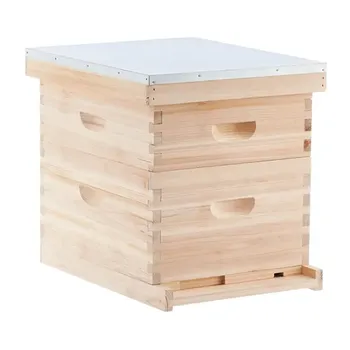
Movable-frame hives are built around the bee space principle, which preserves the gaps bees naturally maintain inside the colony. Individual frames can be removed and replaced without dismantling or destroying the hive.
This allows beekeepers to inspect brood, honey stores, colony strength, and signs of pests or disease. The same access supports more deliberate decisions about feeding, splitting, combining, migration, and harvesting.
Standardized Hives Improved Operational Control
Standardized hive components make colonies easier to manage across an apiary. Beekeepers can move frames between compatible equipment, replace damaged components, and organize inspections using consistent procedures.
For commercial operators and equipment distributors, standardization also supports repeat purchasing. Hives, frames, foundation, protective equipment, and extraction machinery can be supplied as a coordinated product portfolio rather than as isolated tools.
Wax Comb Foundation Guided Comb Construction
Wax comb foundation consists of sheets embossed with the bases of worker cells. Bees use these guides to build comb in a more uniform and predictable pattern.
Straight, evenly spaced comb is easier to inspect, manipulate, protect from damage, and place into extraction equipment. It also helps beekeepers use hive space efficiently and support consistent brood and honey production.
Foundation Reduced Irregular Comb Problems
Without a reliable guide, bees may build comb in irregular directions or with inconsistent spacing. That makes frames difficult to remove and can interfere with inspection, disease management, and mechanical harvesting.
Foundation therefore serves as both a colony-building aid and a production standardization tool. It connects the biological behavior of the colony with the dimensional requirements of commercial equipment.
How Honey Extraction Became Reusable and Efficient
Centrifugal Extractors Removed Honey Without Destroying Comb
A centrifugal honey extractor spins filled frames so that centrifugal force drives honey out of the cells. The wax comb remains largely intact and can be returned to the hive.
This is a major commercial advantage. Bees do not need to rebuild the entire comb after every harvest, allowing colony labor and available nectar to be directed more efficiently toward additional honey production.
Reusable Comb Increased Output per Unit of Labor
Traditional destructive harvesting required comb to be cut, pressed, or otherwise processed before the honey could be recovered. Centrifugal extraction introduced a repeatable workflow in which frames could be harvested, emptied, and reused.
The result is a higher potential output from the same equipment, colony, and labor base. For large apiaries, that repeatability helps reduce unit production costs and supports more stable high-volume supply.
Extraction Equipment Supported Cleaner Processing
Professional extraction systems also provide a controlled processing environment. When combined with suitable filtration and filling equipment, they help beekeepers produce honey with more consistent purity, appearance, and packaging quality.
These downstream capabilities matter when products must meet the expectations of wholesalers, retailers, urban markets, or international buyers. Harvesting is therefore not only about removing honey; it is also about preserving market value.
How Smokers and Protective Gear Enabled Safe Management
Smokers Helped Pacify Colonies
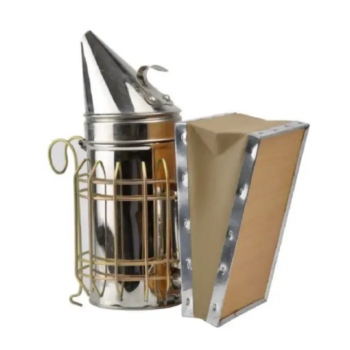
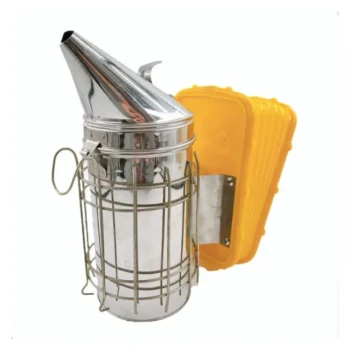
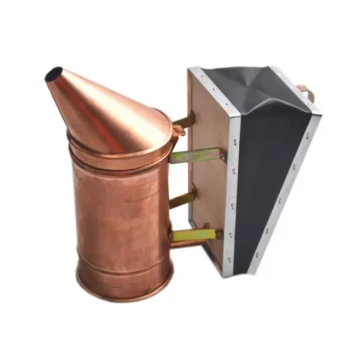
A bee smoker emits controlled smoke during hive work. Its function is to reduce defensive behavior temporarily, giving the beekeeper time to open the colony, handle frames, and complete inspections or harvesting tasks.
The smoker does not replace good handling practices. It is an operational tool that helps reduce disruption while improving the safety and control of routine work.
Protective Veils Reduced Worker Exposure
Protective veils shield the face and eyes from stings while allowing the beekeeper to see and work. They are especially important during inspections, colony movement, harvesting, and other activities that disturb the hive.
Protective clothing and veils make skilled labor more practical at commercial scale. They also help create more consistent working conditions for employees and field teams.
Safety Equipment Supported Larger Operations
Commercial production requires repeated contact with many colonies. Smokers and protective wear reduce the practical barriers to performing this work systematically and help limit avoidable interruptions caused by defensive colonies or worker discomfort.
Their contribution is indirect but essential: safer operations allow inspection, disease control, and harvesting procedures to be carried out more reliably.
Why These Innovations Work as a System
Hive Control Comes Before Harvest Control
Movable frames provide access to the colony, while foundation helps maintain an orderly comb structure. Together, they establish the physical organization required for inspection and repeatable management.
Without controllable hive architecture, extraction machinery would be less useful because frames could not be handled consistently.
Standardized Comb Makes Mechanization Possible
Extractors depend on frames that can be removed, transported, and positioned predictably. Foundation encourages the straight, uniform comb needed for that workflow.
This illustrates the broader principle behind modern beekeeping: biological production becomes commercially scalable when equipment creates repeatable interfaces between the colony and the operator.
Mechanization Improves Economic Resilience
The combined system reduces manual effort and makes production less dependent on destructive, irregular harvesting methods. It can help beekeepers manage more colonies, respond to nectar flows, and maintain more consistent product output.
For distributors and B2B resellers, the value lies in supplying the complete workflow: hive hardware, frames, foundation, smokers, protective equipment, extraction machinery, filtration, and filling solutions.
Understanding the Trade-offs
Equipment Requires Capital and Maintenance
Modern equipment improves productivity, but it requires upfront investment, storage, cleaning, inspection, and replacement. The economic benefit depends on matching equipment capacity to the apiary’s colony count and harvest volume.
Overbuying creates idle capacity, while under-sizing extraction or filling equipment can create bottlenecks during peak harvest periods.
Standardization Does Not Eliminate Management Skill
Movable frames and foundation improve control, but they do not automatically prevent pests, disease, swarming, poor nutrition, or colony loss. Equipment provides access and consistency; trained operators still need to interpret colony conditions and act appropriately.
A standardized hive can make problems easier to detect, but only competent inspection turns that information into effective management.
Mechanization Must Preserve Colony and Product Quality
Tools should minimize unnecessary disturbance to bees and avoid compromising honey cleanliness. Poorly maintained extraction, filtration, or filling equipment can reduce sanitary quality even when the hive operation itself is well managed.
A professional equipment program therefore includes cleaning procedures, durable materials, replacement parts, and responsive technical support.
Productive Capacity Depends on the Full Supply Chain
A high-performing hive and extractor cannot compensate for delayed deliveries, missing consumables, or incompatible components. Commercial beekeepers need dependable access to equipment before the season and rapid fulfillment when operating conditions change.
For suppliers, reliable inventory, knowledgeable service, and compatibility across the product range are part of the technical solution, not merely purchasing conveniences.
Making the Right Choice for Your Goal
The best equipment strategy depends on whether the priority is colony management, production scale, worker safety, or finished-product consistency.
- If your primary focus is colony management: Prioritize movable-frame hives, compatible frames, and quality wax foundation that support precise inspection and orderly comb development.
- If your primary focus is higher honey output: Use centrifugal extraction with reusable comb to reduce rebuilding effort and improve production efficiency across the apiary.
- If your primary focus is worker safety: Equip every field team with a dependable smoker and suitable protective veils and clothing for routine colony handling.
- If your primary focus is standardized market supply: Build a coordinated equipment system that includes extraction, filtration, filling, replacement parts, and timely order fulfillment.
- If your primary focus is distribution or resale: Offer a full-spectrum portfolio backed by technical expertise, rapid response, efficient fulfillment, and dependable delivery during peak operating periods.
The right combination of equipment turns biological production into a safer, more controllable, and commercially repeatable operation.
Summary Table:
| Innovation | Function | Impact on Commerce |
|---|---|---|
| Movable-Frame Hives | Allow inspection without destruction | Enables precise colony management and scalable operations |
| Wax Comb Foundation | Guides straight comb construction | Standardizes comb, improves extraction efficiency and hive space use |
| Centrifugal Extractors | Removes honey while preserving comb | Increases output per labor, enabling repeated harvests |
| Smokers & Veils | Pacify bees and protect workers | Enhance safety, enabling larger operations and systematic work |
| Filtration/Filling | Ensures clean, consistent product | Meets market quality standards, supporting B2B sales |
Equip Your Commercial Apiary for Maximum Efficiency
At HONESTBEE, we partner with commercial beekeepers and distributors to deliver full-spectrum beekeeping supplies—from hives and extractors to protective gear and honey processing equipment. Our promise: rapid response, dedicated support, and ultra-fast delivery to keep your operations running smoothly.
Whether you're scaling up production or expanding your product line, we offer OEM/ODM support, certified quality, and competitive margins for resellers. Let's build a supply chain that grows with you.
👉 Contact us today for a tailored solution
Related Products
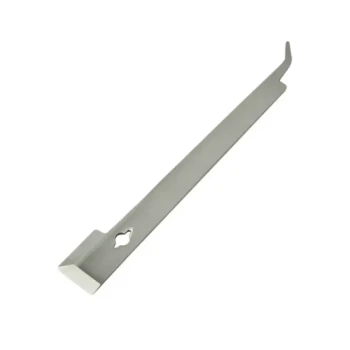
- Stainless Steel J Hook Hive Tool for Beekeeping
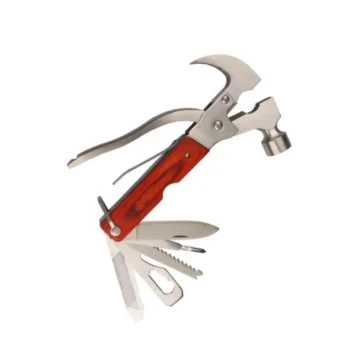
- HONESTBEE 15-in-1 Beekeeper Multi-Tool with Hammer and Pliers for Beekeeping
- HONESTBEE Classic Pry Bar Hive Tool with High Visibility Finish for Beekeeping
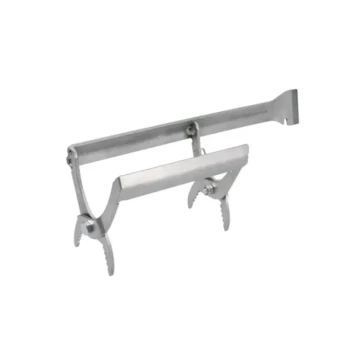
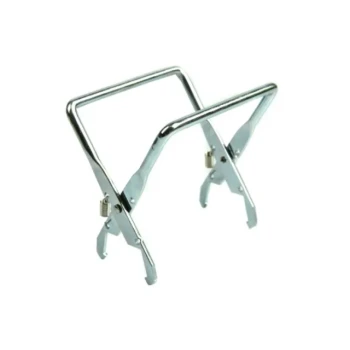
- Multi-Function Plier-Style Frame Grip Hive Tool
- Stainless Steel Queen Grafting Tool for Beekeeping and Bee Queen Grafting
People Also Ask
- What specific challenges do beekeeping hive tools address during hive maintenance? Essential Solutions for Apiaries
- What is a J-hook hive tool and why is it favored by some beekeepers? Master Gentle Frame Handling
- What are the features of a J-hook hive tool? Effortlessly Lift Frames with Superior Leverage
- What is the purpose of the J-hook hive tool? Effortlessly Lift Frames with Superior Leverage
- How is a J-hook hive tool designed and what is its primary use? Master Effortless Hive Inspections