The essential toolkit for queen bee grafting and hive introduction includes precision grafting equipment, queen cell protection, introduction cages, and standard bee-handling safety gear. Grafting requires a delicate tool, artificial queen cell cups, cell bars, and suitable frames, while successful hive introduction depends on a push-in cage or queen transport cage that protects the queen during colony acceptance. A smoker, hive tool, veil or suit, and gloves are also necessary for safe, controlled hive work.
Reliable queen rearing depends on matching specialized equipment to each stage: transfer larvae carefully, protect developing queen cells, and confine newly introduced queens until the colony accepts them.
What Grafting Requires
Precision Grafting Tools
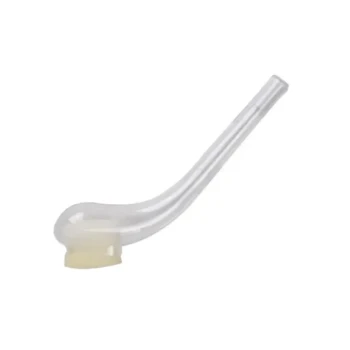
A grafting tool transfers young worker larvae from brood cells into artificial queen cell cups. Its fine probe or needle must be accurate enough to handle delicate larvae without causing physical damage.
For commercial operations, consistent tool quality matters because grafting accuracy directly affects workflow efficiency and larval survival. Distributors should offer multiple tool designs to accommodate technician preferences and operating scale.
Artificial Queen Cell Cups
Queen cell cups provide the foundation into which grafted larvae are placed. They may be made from molded plastic or beeswax and are designed for worker bees to extend into complete queen cells.
Plastic cups support standardized, repeatable production, while wax cups may appeal to beekeepers who prefer a more traditional setup. Both types should be compatible with the cell bars and frames used by the apiary.
Cell Bars and Cell Bar Frames
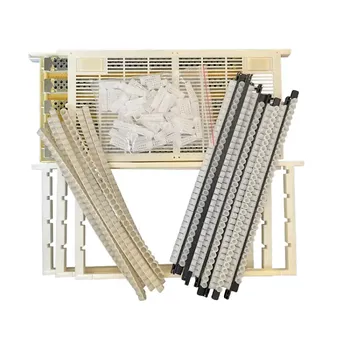
Cell bars hold the queen cell cups in an organized row. They are mounted inside specialized frames and suspended in a starter or cell-builder colony, where worker bees feed the larvae and construct the queen cells.
Correct frame and bar compatibility is important for efficient handling, inspection, harvesting, and transfer. A complete product range should therefore include matching cups, bars, and frames rather than isolated components.
Starter or Cell-Builder Colony
The grafted larvae must be placed in a suitable starter or cell-builder colony. This colony provides the worker bees and conditions required to accept, feed, and develop the grafted larvae into queen cells.
Equipment alone cannot compensate for an unsuitable colony. Before grafting, the receiving colony should be prepared and strong enough to support queen rearing.
Protecting Developing and Introduced Queens
Queen Cell Protectors
A queen cell protector snaps over an individual developing queen cell. It helps prevent worker bees or other colony queens from prematurely damaging or destroying an unhatched queen cell.
These protectors are particularly useful during queen cell handling and introduction. They should fit securely without crushing or obstructing the developing cell.
Push-In Queen Cages
A push-in queen cage, also called an isolation cage, temporarily confines a newly introduced queen on a section of comb. The queen remains physically separated from aggressive workers while the colony becomes familiar with her presence.
This design is useful when introducing a queen directly into an established colony. The cage should provide adequate ventilation and space while allowing contact or gradual acceptance through the comb.
Queen Transport and Introduction Cages
Specialized transport cages protect a mated queen during shipment and initial handling. Common options include plastic JZ BZ-style cages, queen catcher or “butler” cages, and wooden double-holed cages.
Some transport designs can accommodate the queen with approximately six host worker bees. These attendants groom and feed her during transit, helping maintain her condition until introduction.
Mating Nucs
Mating nucs, or nucleus hives, house virgin queens and small bee populations during mating flights. They provide a controlled intermediate environment before the queen is moved into a full-size colony.
For breeders and commercial apiaries, mini-mating nucs support genetic planning and repeatable queen production. They are complementary to grafting equipment rather than a substitute for it.
Safety and Hive-Handling Equipment
Veils and Full Bee Suits
A veil or full bee suit protects the beekeeper’s face and body during grafting preparation, colony inspection, and queen introduction. The appropriate level of coverage depends on the operator’s experience, bee temperament, and work environment.
For commercial customers, both lightweight inspection clothing and full protective suits may be needed to serve different operating conditions.
Leather Bee Gloves
Leather bee gloves protect the hands while preserving enough dexterity for frame manipulation and equipment handling. Excessively bulky gloves can make delicate work more difficult, so fit and flexibility are important.
Grafting itself may require bare-hand precision for experienced operators, but protective gloves remain valuable during hive preparation and colony inspection.
Hive Tool
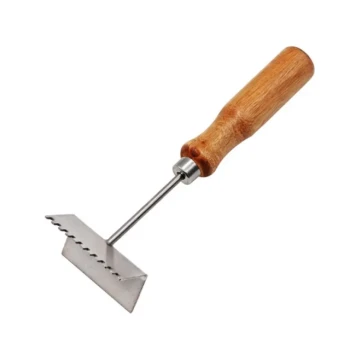
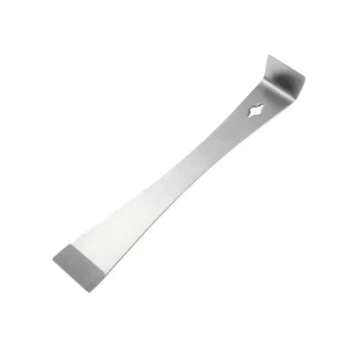
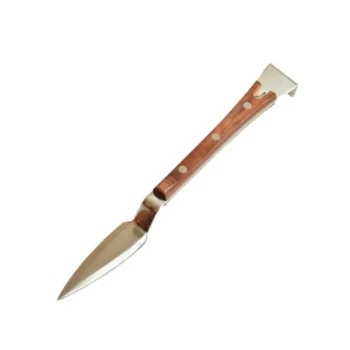
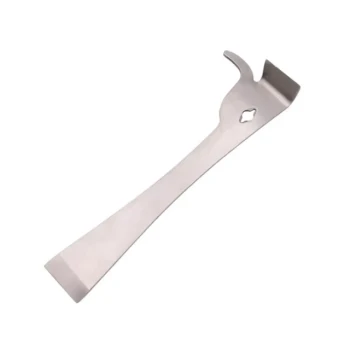
A hive tool is used to separate frames, remove excess propolis, lift components, and clean wax buildup. It is a basic requirement for preparing the receiving hive and accessing brood frames safely.
A durable hive tool supports routine maintenance as well as queen-rearing operations. It should be included in practical starter kits and broader apiary supply packages.
Smoker
A smoker helps manage worker bees during inspections and introductions. Controlled smoke can reduce defensive behavior and make frame handling more predictable.
The smoker should be used carefully and in moderation. Excessive smoke can disrupt colony behavior and complicate the introduction process.
Preparing the Receiving Hive
Clean and Inspect the Hive
Before introducing a queen, inspect and clean the hive to remove debris, mold, excess propolis, and old wax buildup. Frames should be properly aligned, structurally sound, and free from obvious disease concerns.
A clean, orderly hive gives the new queen a more suitable environment and makes subsequent inspections easier. It also reduces the risk that damaged or contaminated equipment will interfere with colony management.
Match the Cage to the Introduction Method
The correct cage depends on whether the queen is being transported, temporarily isolated on comb, or introduced into a prepared colony. A transport cage is designed for movement, while a push-in cage is intended for controlled release within the hive.
Distributors should make these distinctions clear in product specifications. Clear compatibility information reduces purchasing errors and improves customer outcomes.
Understanding the Trade-offs
Plastic Versus Wax Cell Cups
Plastic cups provide consistency, durability, and convenient large-scale handling. Wax cups offer a more natural material choice but may require more preparation and can be less uniform.
The better option depends on whether the customer prioritizes standardized commercial production or traditional apiary practices.
Push-In Cages Versus Transport Cages
Push-in cages are suited to gradual colony acceptance on comb, whereas transport cages are optimized to protect the queen during shipment and short-term holding. Using a transport cage alone does not necessarily provide the same controlled introduction method as a push-in cage.
A complete supply program should stock both categories because they address different risks.
Specialized Equipment Versus Basic Hive Tools
Grafting tools, cell cups, cell bars, protectors, and mating nucs support specialized queen-rearing workflows. A hive tool, smoker, gloves, and veil support general hive access and safety.
Small-scale beekeepers may need only a limited selection, while commercial breeders require coordinated quantities, replacement parts, and rapid replenishment.
Common Purchasing Mistakes
Buying incompatible cups, bars, frames, or cages can interrupt production and create avoidable handling problems. Product dimensions, materials, attachment methods, and intended use should be confirmed before ordering.
For wholesalers and resellers, bundling compatible components into clearly defined kits can simplify procurement and reduce customer support requirements.
How to Apply This to Your Operation
The most effective sourcing plan covers the complete workflow from larval transfer through queen introduction.
- If your primary focus is grafting efficiency: Stock precision grafting tools, artificial cell cups, compatible cell bars, specialized frames, and access to suitable starter or cell-builder colonies.
- If your primary focus is queen protection: Provide individual queen cell protectors, push-in cages, and suitable transport cages for different introduction and shipping conditions.
- If your primary focus is commercial queen production: Add mating nucs and standardized frame hardware to support repeatable breeding and mating operations.
- If your primary focus is safe hive handling: Maintain a dependable supply of veils or full suits, leather gloves, hive tools, and smokers.
- If your primary focus is distribution service: Offer compatible product bundles, clear specifications, responsive technical support, and dependable fulfillment across the full queen-rearing workflow.
With the right combination of precision tools, protective accessories, hive hardware, and handling equipment, queen rearing becomes more controlled, repeatable, and scalable.
Summary Table:
| Category | Essential Tools | Purpose |
|---|---|---|
| Grafting Tools | Grafting tool, artificial queen cell cups, cell bars & frames | Transfer larvae and support queen cell development |
| Queen Protection | Queen cell protector, push-in cage, transport cage | Protect developing and introduced queens |
| Handling Equipment | Smoker, hive tool, veil/suit, gloves | Ensure safety during hive inspections and introductions |
Equip your apiary with top-tier queen rearing tools from HONESTBEE. We supply a comprehensive range of grafting instruments, protective cages, and beekeeping safety gear to enhance efficiency and success. Our rapid delivery and dedicated support keep your operation running smoothly. Contact us today for tailored solutions and wholesale pricing!
Related Products
- Stainless Steel Queen Grafting Tool for Beekeeping and Bee Queen Grafting
- Plastic Chinese Queen Grafting Tool for Bee Queen Rearing
- Black 2 Pack Beekeeper Queen Grafting Tool for Bee Queen Larva Transferring Needle
- Plastic Beekeeping Honey Bee Larvae Grafting Tools for Queen Rearing and Chinese Grafting
- Stainless Steel Beekeeping Queen Grafting Tool for Honey Bee Rearing
People Also Ask
- What is grafting in queen rearing? Take Control of Your Apiary's Genetics
- What are the benefits of using a queen grafting tool for queen rearing? Master Precision for Superior Bee Genetics
- What are the steps involved in using a queen grafting tool? A Guide to Successful Queen Rearing
- What is the step-by-step process for using a queen grafting tool? Master Larva Transfer for Better Queen Rearing
- What is the primary function of a queen grafting tool? Master Precise Larval Transfer for High Queen Acceptance