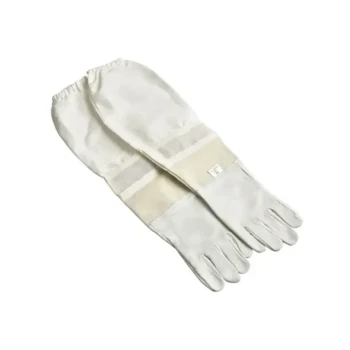
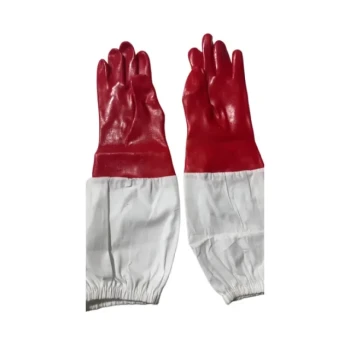
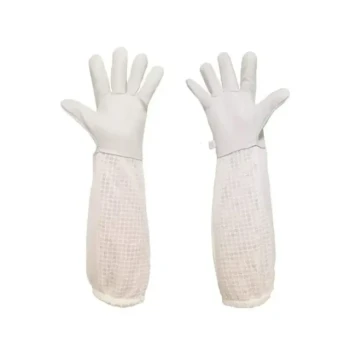
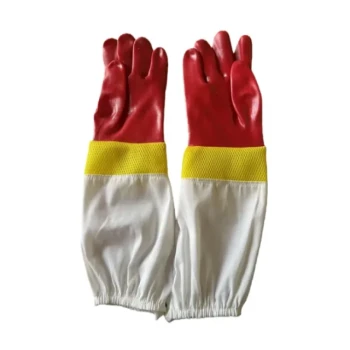
For beginner beekeepers prioritizing safety and confidence, the primary recommendation is to wear gloves made of canvas or leather. These thick, durable materials provide the most effective barrier against stings, which is essential for those who are still learning to handle a hive. Alternatively, form-fitting gloves—such as those used for lab work or household chores—can be used to keep hands clean from sticky propolis and honey while offering a moderate layer of defense.
Core Insight New beekeepers should prioritize high-quality protection to alleviate the fear of stings while learning hive dynamics. While canvas or leather offers maximum safety, the ultimate goal is to balance protection with the dexterity needed to handle bees gently.
Evaluating Glove Materials
Maximum Protection: Canvas and Leather
If your primary concern is avoiding stings, canvas or leather gloves are the superior choice.
These materials are dense enough to prevent a bee's stinger from penetrating through to the skin. This level of security allows beginners to focus on the mechanics of inspecting frames without the distraction of potential pain.
Hygiene and Dexterity: Form-Fitting Gloves
For those who find heavy gloves too cumbersome, form-fitting options (like nitrile or household cleaning gloves) are a valid alternative.
While they offer less puncture resistance than leather, they significantly improve tactile sensitivity. They also prevent your hands from becoming coated in honey and propolis, which can make handling equipment difficult.
What to Avoid: Thin Cotton
Do not use inexpensive, thin cotton gloves.
Supplementary data indicates that these offer inadequate protection against stings. Using low-quality materials creates a false sense of security that can result in a painful experience, potentially discouraging a new beekeeper.
Understanding the Trade-offs
Protection vs. Tactile Feedback
There is an inherent compromise between safety and precision. Heavy leather gloves protect your hands, but they reduce your ability to "feel" the bees.
This lack of sensitivity can lead to clumsy movements, increasing the risk of accidentally crushing bees, which releases alarm pheromones and agitates the colony.
The Progression of Gear
It is standard advice to start with full protection, including thick gloves, until you understand bee behavior.
As you gain proficiency and learn what specific actions disturb the colony, you can transition to thinner gloves. This evolution allows for more delicate handling once your confidence and skill level have stabilized.
Making the Right Choice for Your Goal
- If your primary focus is maximum safety: Choose high-quality leather or canvas gloves to ensure stings cannot penetrate the material while you overcome initial hesitation.
- If your primary focus is dexterity and cleanliness: Opt for form-fitting lab or household gloves to maintain a better grip on frames and keep propolis off your skin.
- If your primary focus is long-term skill building: Start with heavy protection, but plan to transition to lighter gear as you learn to read bee behavior and handle frames gently.
Select the gear that gives you the confidence to inspect your hive thoroughly, rather than rushing due to fear.
Summary Table:
| Glove Type | Material | Protection Level | Dexterity | Best For |
|---|---|---|---|---|
| Heavy Duty | Leather/Canvas | Maximum (Sting-proof) | Low | Beginners seeking confidence and safety |
| Lightweight | Nitrile/Rubber | Moderate (Propolis protection) | High | Improving tactile feedback and hygiene |
| Avoid | Thin Cotton | Minimal | Moderate | Not recommended for beekeeping safety |
Elevate Your Apiary with HONESTBEE
At HONESTBEE, we specialize in supporting commercial apiaries and distributors with premium-grade beekeeping solutions. Whether you are scaling your operations or stocking high-quality gear for new beekeepers, our comprehensive wholesale portfolio has you covered.
Our Value to You:
- Complete Equipment Range: From durable protective gloves to professional hive-making and honey-filling machinery.
- Essential Consumables: A reliable supply of all industry-standard consumables needed for daily hive management.
- Expert Support: Specialized hardware and honey-themed merchandise designed to enhance your brand and productivity.
Ready to secure the best tools for your business? Contact us today to discuss our wholesale offerings and let HONESTBEE empower your beekeeping success!
Related Products
- Goat Skin Leather Bee Sting Proof Beekeeping Gloves with Canvas Sleeve
- Goatskin Leather Beekeeper Gloves with Vent Long Sleeve for Beekeeping Honey Bee Sting Proof Protection
- Beekeeping Gloves Goatskin Leather with Long Cotton Sleeve for Beekeepers
- Heavy Duty Red Rubber Beekeeping Gloves with Extended Pure Cotton Sleeves for Beekeepers
- Premium Ventilated Goatskin Beekeeping Gloves with Full 3-Layer Mesh Sleeve
People Also Ask
- What is the process for cleaning goat leather beekeeping gloves? Expert Guide to Maintaining Dexterity and Durability
- What are the steps to clean goat leather beekeeping gloves? A Guide to Extend Gear Life
- What are the characteristics of goatskin beekeeping gloves? Enhance Dexterity and Protection in Your Apiary
- What are the advantages of goatskin leather gloves for beekeeping? Superior Sting Protection for Your Apiary
- When might a beekeeper decide to work without gloves? Master Hive Finesse and Dexterity