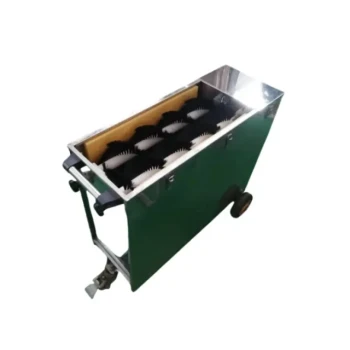
The governing logic is strictly monitoring-based intervention. Unlike management strategies for less resistant species, Apis cerana apiaries deploy chemical treatments and physical control equipment only when mite infestation levels exceed established safety thresholds. This approach prioritizes the bee's natural resistance over routine medication, ensuring treatments are scientifically necessary rather than habitual.
The core strategy relies on a "test, then treat" protocol that leverages the natural resilience of Apis cerana. By restricting interventions to moments of critical infestation, apiarists minimize production costs and eliminate the risk of chemical residues in honey products.
The Foundation: Natural Resistance vs. Intervention
Leveraging Biological Resilience
Apis cerana possesses a natural resistance to Varroa mites. Consequently, the standard operating procedure is to allow the colony's biological defenses to function without interference for as long as possible.
Routine, prophylactic chemical application is discouraged. Instead, the logic dictates that technical support is only required when the natural balance tips in favor of the parasite.
The Threshold Concept
Intervention is triggered by data, not the calendar. Apiarists must monitor infestation levels continuously.
Treatments are initiated only when the mite population surpasses a specific safety threshold. This ensures that every deployment of labor, equipment, and consumables addresses a verified threat rather than a hypothetical one.
Execution: Precision Equipment and Targeted Consumables
The Role of Precision Machinery
When the threshold is crossed, the focus shifts to precision application. Specialized tools, such as evaporators and precision droppers, are essential for distinct reasons.
These devices ensure the uniform distribution and exact dosage of the treatment within the hive. This technical precision is critical for eliminating the hazard while preventing excessive chemical buildup.
Mechanism of Action
Targeted consumables, such as formulated organic acids, work by interfering with the physiological activities of the mite.
The objective is to neutralize the parasite without harming the host bee. This selectivity maintains the biological resilience of the colony even during active treatment.
Chemical Rotation Strategy
To ensure long-term efficacy, the management logic requires the periodic rotation of treatment consumables.
Because parasites can develop immunity to static treatments over time, varying the chemical composition of control agents is necessary to maintain lethality against the mites.
Understanding the Trade-offs
The Risk of Routine Application
Ignoring the monitoring-based logic in favor of routine schedules creates immediate liabilities.
Unnecessary treatments increase production costs significantly. More critically, they heighten the risk of prohibited chemical residues contaminating the final honey product, compromising its marketability and natural quality.
Balancing Intervention and Purity
There is a delicate balance between aggressive pest control and product safety.
While stronger or more frequent treatments might seem safer for colony survival, they often lead to residue accumulation. The use of precision equipment is the primary mitigation strategy here, as it minimizes the volume of chemicals required to achieve a therapeutic effect.
Making the Right Choice for Your Goal
To apply this logic effectively, align your intervention strategy with your specific operational priorities:
- If your primary focus is Product Purity: Strict adherence to infestation thresholds is mandatory to ensure chemical treatments are used only when absolutely necessary to save the colony.
- If your primary focus is Colony Longevity: Implement a rigorous rotation of chemical compositions and utilize winter biological control equipment to block disease transmission and prevent parasite immunity.
By trusting the data and the bee's natural defenses, you ensure a sustainable balance between colony health and product quality.
Summary Table:
| Aspect | Management Logic | Primary Objective |
|---|---|---|
| Intervention Trigger | Threshold-based (test, then treat) | Avoid unnecessary chemical use |
| Natural Defense | Leverage Apis cerana's resilience | Maintain biological balance |
| Equipment Role | Precision application machinery | Ensure exact dosage & distribution |
| Chemical Strategy | Periodic rotation of consumables | Prevent parasite resistance |
| Risk Mitigation | Strict monitoring & targeted tools | Eliminate residues in honey products |
Maximize Your Colony Yield with HONESTBEE Precision Solutions
Maintaining the delicate balance between Apis cerana health and honey purity requires the right tools. At HONESTBEE, we empower commercial apiaries and distributors with the high-performance machinery and specialized consumables needed for professional mite management.
From precision chemical evaporators that ensure exact dosing to comprehensive beekeeping hardware and honey-filling machines, our wholesale offering covers every stage of your operation. Partner with us to reduce production costs, prevent chemical residues, and secure your market position with superior honey quality.
Ready to upgrade your apiary’s efficiency? Contact us today to explore our full equipment catalog.
References
- Chao Chen, Wei Shi. Managed honeybee colony losses of the Eastern honeybee (Apis cerana) in China (2011–2014). DOI: 10.1007/s13592-017-0514-6
This article is also based on technical information from HonestBee Knowledge Base .
Related Products
- Heavy Duty 12V Oxalic Acid Evaporator Vaporizer for Bee Varroa Mite Treatment Beekeeping Fumigator Atomizer
- Durable 12V Oxalic Acid Vaporizer for Varroa Mite Treatment Beehive Beekeeping Tool
- Varroa Easy Check Mite Tester Kit Counter Alcohol Wash Jar
- Oxalic Acid Vaporizer 12V for Bee Varroa Mite Treatment
- Compact Circular Bee Mite Treatment Dispenser
People Also Ask
- How can oxalic acid treatment be applied effectively when capped brood is present? Master the 3-Stage Vapor Protocol
- What are the main advantages of using oxalic acid vaporization for Varroa mite control? Achieve 90%+ Efficacy Safely
- What is the process of using an oxalic acid vaporizer? A Step-by-Step Guide to Safe Varroa Control
- How can oxalic acid vaporization be used effectively in a hive that contains brood? Master Multi-Stage Mite Control
- Why is it necessary to control varroa mite infestations? Protect Your Colony with Oxalic Acid Vaporizers