Bee farming and honey processing require a distinct separation between field tools used for hive management and industrial machinery used for extraction and bottling. To operate effectively, you need a combination of protective hive gear—such as smokers, hive tools, and queen excluders—and processing equipment like centrifugal extractors, gravity clarifiers, heating tanks, and precision packaging machines.
Core Takeaway Success in apiculture relies on balancing efficient hive management with sanitary processing. While field tools ensure colony health, specialized extraction and filling machinery are critical for maximizing yield, preventing moisture contamination, and meeting strict regulatory weight requirements for the final product.
Equipment for Hive Management & Maintenance
The foundation of beekeeping lies in the tools used directly in the apiary. These items allow you to inspect colonies, manage pests, and control the movement of the bees.
Essential Hand Tools
You must have hive tools to pry apart propolis-sealed frames. These come in L-shaped or curved designs to suit different leverage needs.
Materials vary between iron and stainless steel. Stainless steel is generally preferred for its resistance to rust and ease of cleaning.
Beekeeping brushes, available in thin and thick varieties, are used to gently sweep bees off frames during inspections or harvest without harming them.
Colony Control Devices
A smoker is indispensable for calming bees, masking alarm pheromones, and allowing for safe hive maintenance.
To manage the colony's population, use a queen excluder to keep the queen out of honey supers, ensuring a pure honey harvest free of brood.
Hive gates and queen gates are used to restrict entry or exit, protecting the colony from robbers or preventing the queen from swarming.
Breeding and Specialized Collection
For advanced operations, a queen rearing kit and food-grade plastic queen cages allow for the propagation of genetic stock.
If diversifying beyond honey, a pollen trap or a bee venom collector can be attached to the hive to harvest high-value secondary products.
Machinery for Honey Extraction & Processing
Once the frames are removed from the hive, the focus shifts to separating honey from wax and preparing it for sale. This stage requires machinery designed to maintain food safety standards.
Extraction Systems
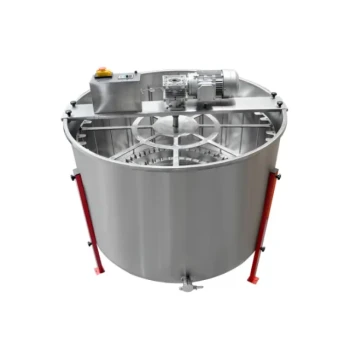
The core of this phase is the honey extractor. Modern extractors use centrifugal force to spin honey out of the comb.
This technology separates honey from wax in a very short time. This speed minimizes the honey's exposure to air, reducing the risk of secondary contamination.
Draining trays and spinners are often used alongside the extractor to further separate wax cappings from the honey.
Filtration and Clarification
Raw honey contains wax bits and debris that must be removed. Gravity clarifiers use natural separation to let debris float to the top or settle at the bottom.
Honey filtering tanks provide a more active filtration method. Custom holding tanks are often used here for decanting, allowing air bubbles to escape.
Thermal Processing
A heating tank or specific liquefaction container is used to manage viscosity.
Controlled heat helps prevent premature crystallization and makes filtering easier, but precision is vital to avoid degrading the honey's quality.
Packaging and Final Production
The final stage involves moving processed honey into consumer-ready containers. This is where precision machinery becomes essential for commercial viability.
Storage Solutions
Storage tanks are necessary for holding finished honey before bottling. These should be corrosion-free to maintain the chemical integrity of the honey.
Automated Filling
Packaging machines and high-precision filling machinery are critical for volume production.
These machines utilize quantitative control to ensure every jar meets regulatory net weight requirements.
Automated fillers create a sealed environment during bottling. This prevents the honey from absorbing atmospheric moisture, which can lead to fermentation and spoilage.
Understanding the Trade-offs
Material Durability vs. Cost
The primary reference notes the availability of both iron and stainless steel tools.
Iron tools are cost-effective initially but are prone to rust. Rust can introduce contaminants into the hive or honey house, compromising hygiene.
Stainless steel is the industry standard for sanitation. It is corrosion-free and durable, making it a better long-term investment despite the higher upfront cost.
Speed vs. Quality Preservation
High-speed centrifugal extraction significantly increases net output compared to manual pressing.
However, aggressive processing can introduce air bubbles. To counter this, you must invest in proper gravity clarifiers or settling tanks to restore the honey's transparency and visual appeal.
Making the Right Choice for Your Goal
Depending on the scale of your operation, your equipment priorities will differ.
- If your primary focus is Commercial Production: Prioritize high-precision packaging machines and automated extractors to ensure regulatory compliance and minimize waste during high-volume processing.
- If your primary focus is Queen Breeding: Invest heavily in queen rearing kits, plastic queen cages, and queen excluders to precisely manage genetics and colony splitting.
- If your primary focus is Product Diversification: Expand your equipment list to include pollen traps and bee venom collectors to generate revenue streams beyond simple honey sales.
Quality equipment is an investment in the purity and longevity of your product.
Summary Table:
| Category | Key Equipment | Primary Function |
|---|---|---|
| Hive Management | Smokers, Hive Tools, Queen Excluders | Colony maintenance, safety, and population control. |
| Extraction | Centrifugal Extractors, Draining Trays | Rapid separation of honey from wax combs with minimal air exposure. |
| Processing | Heating Tanks, Gravity Clarifiers | Viscosity management and debris removal for high purity. |
| Packaging | Precision Filling Machines, Storage Tanks | Automated, moisture-controlled bottling to meet weight regulations. |
| Diversification | Pollen Traps, Bee Venom Collectors | Harvesting high-value secondary bee products. |
Scale Your Honey Business with HONESTBEE
Are you a commercial apiary or a distributor looking for a competitive edge? HONESTBEE specializes in providing professional-grade beekeeping tools and industrial machinery designed for high-efficiency operations.
From precision honey-filling machines and durable hive-making equipment to essential consumables and honey-themed cultural merchandise, we offer a comprehensive wholesale portfolio to streamline your production.
Take your production to the next level—Contact HONESTBEE today for a tailored equipment solution!
Related Products
- Automatic Honey Filling and Filtering Machine for Beekeeping Bottle Filling
- Stainless Steel Manual 8 Frame Radial Honey Extractor Machine for Beehives
- Stainless Steel Manual Honey Press with Guard for Pressing Honey and Wax
- 40 Frame Commercial Electric Honey Extractor for Beekeeping
- HONESTBEE 3-Frame Manual Acrylic Honey Extractor
People Also Ask
- What process advantages do professional honey filtering and filling machines provide? Optimize Your Organic Honey Output
- How do honey filling and filtering machines increase product value? Turn Raw Honey into Premium Export-Grade Goods
- How do honey filtration and filling machinery contribute to industrialization? Scale Your Commercial Honey Production
- What specific issues do industrial filtration and automated filling machinery address? Ensure Honey Quality & Compliance
- How does the use of professional honey filtration and filling machinery facilitate international honey exports?