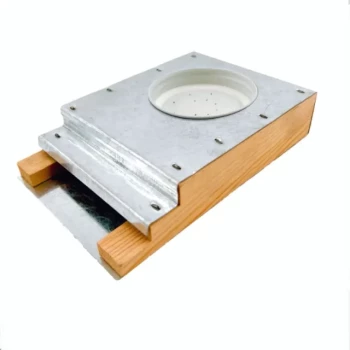
Top feeder maintenance revolves primarily around hygiene and mechanical safety. To ensure colony health, you must commit to a schedule of regular cleaning to prevent syrup spoilage, while simultaneously monitoring the physical condition of the feeder to prevent bees from drowning in the main reservoir.
Top feeders provide the significant advantage of high capacity and easy access, but this volume creates a specific vulnerability: without frequent monitoring, large quantities of unconsumed syrup can rapidly develop mold or ferment, turning a nutritional aid into a potential hazard.
Managing Syrup Quality and Hygiene
The Risk of Spoilage
Because top feeders are designed with a large reservoir, they hold significant amounts of syrup at once. If the colony does not consume this syrup quickly, the stagnant liquid becomes susceptible to mold growth and fermentation.
Routine Cleaning Requirements
You must implement a strict cleaning regimen. Unlike single-use methods (like baggie feeders), the permanent structure of a top feeder requires you to remove residue and verify the tank is sterile before refilling to prevent contaminating fresh feed.
Ensuring Colony Safety
Preventing Drowning
A critical maintenance check involves the feeder’s physical barriers. You must ensure the specific model’s design is intact and effectively prevents bees from entering the main syrup chamber.
Monitoring Component Integrity
If the protective mechanisms fail or are improperly seated, bees can bypass safety zones. This leads to mass drowning events, which depletes the colony workforce and fouls the remaining feed.
Understanding the Trade-offs
Ease of Access vs. Spoilage Risk
Top feeders are praised for their ease of access and high volume, reducing the frequency of refills. However, this convenience is a trade-off; the larger volume increases the probability of waste and spoilage compared to smaller, more frequent feedings.
Top Feeders vs. Internal Frame Feeders
While top feeders are convenient, they sit above the colony. In contrast, frame feeders (division board feeders) replace a standard frame deep within the hive.
Temperature and Security Considerations
Frame feeders keep syrup near the cluster's heat, making them superior for cold weather feeding, and they offer better protection against robber bees. Top feeders may be harder for bees to access in cold snaps and require more vigilance regarding external pests.
Making the Right Choice for Your Operation
To select the right feeding strategy, assess your environmental conditions and labor capacity:
- If your primary focus is labor efficiency: Choose top feeders for their high capacity, but schedule strict weekly checks to clean out fermented syrup.
- If your primary focus is cold-weather feeding: Utilize frame feeders to utilize the colony's heat and ensure the syrup remains accessible to the cluster.
- If your primary focus is preventing drowning: Inspect your top feeder design rigorously or opt for baggie feeders which naturally minimize open liquid risks.
Successful feeding is not just about volume; it is about delivering clean, safe nutrition that aligns with the season.
Summary Table:
| Maintenance Category | Key Requirement | Importance |
|---|---|---|
| Hygiene | Regular cleaning & sterilization | Prevents mold growth and syrup fermentation |
| Colony Safety | Inspect physical barriers | Prevents mass bee drowning in the reservoir |
| Syrup Quality | Monitor consumption rates | Ensures feed remains fresh and nutritious |
| Mechanical Integrity | Component seating check | Prevents leaks and unauthorized bee access |
| Seasonality | Weather-specific assessment | Determines if top feeders are suitable vs. frame feeders |
Scaling Your Beekeeping Success with HONESTBEE
Maintaining healthy colonies requires precision tools and reliable equipment. At HONESTBEE, we specialize in supporting commercial apiaries and distributors with a comprehensive wholesale portfolio. Whether you need high-capacity feeders, specialized hive-making machinery, or honey-themed cultural merchandise, we provide the industrial-grade solutions you need to thrive.
Why partner with us?
- Comprehensive Supply: From essential consumables to advanced honey-filling machines.
- Tailored for Scale: Products designed to enhance efficiency in large-scale operations.
- Expert Support: We understand the nuances of beekeeping at a professional level.
Ready to elevate your operation with premium beekeeping hardware and equipment? Contact us today to explore our wholesale offerings!
Related Products
- HONESTBEE Round Hive Top Bee Feeder for Syrup
- HONESTBEE Professional Hive Top Bee Feeder Feeding Solution
- Professional Hive Top Bee Feeder for Beekeeping
- HONESTBEE Square Top Hive Bee Feeder Top Bee Feeder
- Rapid Bee Feeder White Plastic 2L Round Top Feeder for 8 or 10-Frame Bee Hives
People Also Ask
- What can the round hive top feeder be used for? A Guide to Efficient, Safe Bee Feeding
- What is the capacity of the round hive top feeder for syrup and pollen? A Guide to Targeted Apiary Support
- What types of hive boxes is the round hive top feeder compatible with? Universal Fit for 8 & 10-Frame Langstroth Hives
- What types of feed can be used with the round hive top feeder? Versatile Feeding for Optimal Apiary Health
- What are the different types of top feeders for bees? Choosing the Best Feeder for Your Apiary