Effective colony management in high-risk areas depends on integrating data-driven site selection with physical hardware modifications. Strategies include utilizing Geographic Information Systems (GIS) to place apiaries outside of mapped infestation zones and installing specific entrance barriers to physically block predators while allowing bee traffic.
By combining proactive avoidance strategies—like GIS mapping—with reactive physical defenses such as entrance reducers and specialized traps, beekeepers can safeguard colonies against predation without severely disrupting foraging efficiency.
Strategic Site Selection
Leveraging Ecological Models
The most effective defense is avoidance. Beekeeping operators should utilize Geographic Information Systems (GIS) maps to visualize environmental data.
By identifying high-infestation zones in advance, you can select apiary sites that physically bypass areas with high densities of pests.
Minimizing Ecological Overlap
Ecological models help predict where specific pests, such as bee-wolves and cleptoparasites, are most likely to thrive.
Placing colonies outside these specific biological niches reduces the immediate pressure on the hive’s defensive resources.
Physical Hive Fortification
Modifying Entrance Structures
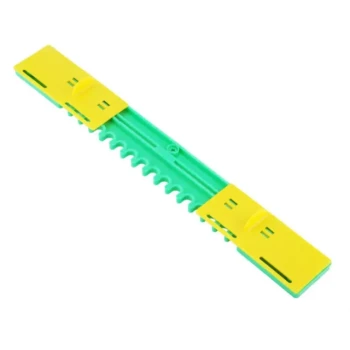
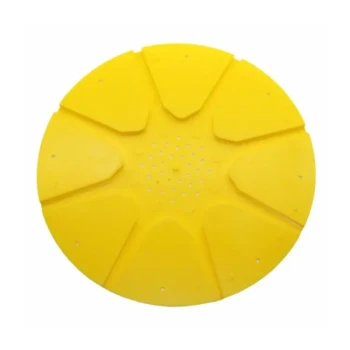
In high-risk areas, standard hive entrances leave colonies vulnerable to intrusion. Operators must modify these structures to restrict access.
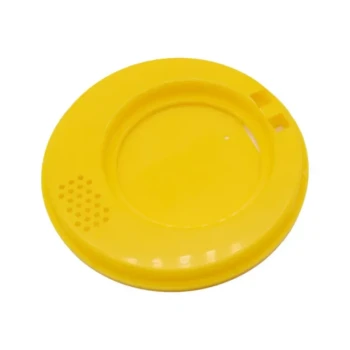
Entrance reducers are critical tools that limit the size of the entry point. This allows the colony to defend its stores more effectively against wasps and robbers by creating a "choke point" that predators cannot easily overwhelm.
Deploying Specialized Traps
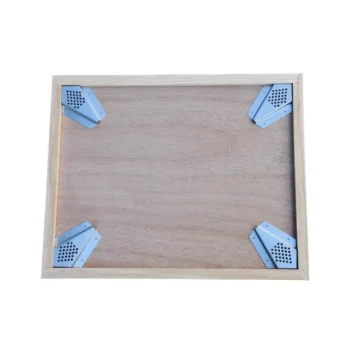
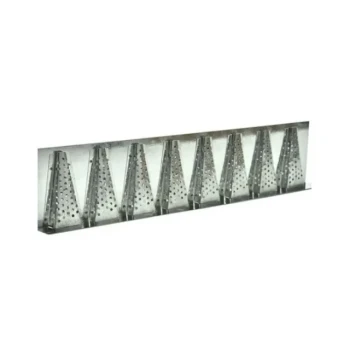
General defenses are often insufficient against specialized predators. You should deploy professional physical traps tailored to the specific biological behaviors of local pests.
These devices target predators like bee-wolves, capturing them before they can enter the hive or attack foraging workers.
Operational Maintenance
Routine Inspections
Physical barriers are not "set and forget" solutions. Beekeepers must continue weekly inspections to monitor for pests and diseases.
Regular checks ensure that traps remain functional and that the colony hasn't been breached despite the external defenses.
Managing Environmental Stressors
During periods of high heat and humidity, such as in July, bees may cluster on the exterior of the hive to regulate temperature.
While this is a natural cooling mechanism, it exposes the workforce to external threats. Beekeepers must balance the need for ventilation with the necessity of maintaining a defensible perimeter.
Understanding the Trade-offs
Defense vs. Foraging Efficiency
Modifying hive entrances improves security, but it can create congestion.
Excessively restrictive entrance structures may interfere with worker bee foraging activities, slowing down the flow of nectar and pollen into the hive. You must find a balance that blocks predators but permits efficient traffic.
Heat Regulation Risks
Installing entrance reducers increases security but restricts airflow.
In high-heat environments, this can exacerbate internal temperatures, forcing more bees to cluster outside where they are vulnerable. Monitoring for heat stress is essential when using physical barriers during summer months.
Making the Right Choice for Your Goal
To implement these strategies effectively, prioritize your actions based on your current threat level:
- If your primary focus is proactive prevention: Utilize GIS mapping to relocate apiaries away from ecologically modeled high-risk zones before the season begins.
- If your primary focus is immediate defense: Install entrance reducers and species-specific traps to harden the hive against active predation from wasps or cleptoparasites.
- If your primary focus is summer maintenance: Maintain a schedule of weekly inspections to balance the use of protective barriers with the colony's need to regulate heat.
Secure your colonies by letting data dictate your location and hardware dictate your defense.
Summary Table:
| Strategy Category | Recommended Action | Key Benefit |
|---|---|---|
| Site Selection | GIS Mapping & Ecological Modeling | Avoids high-infestation zones before placement |
| Hive Modification | Entrance Reducers & Barrier Tools | Creates defensible choke points against predators |
| Physical Defense | Species-Specific Traps | Targets specialized pests like bee-wolves and wasps |
| Maintenance | Weekly Inspections & Heat Monitoring | Ensures barrier integrity while managing colony stress |
Secure Your Apiary Success with HONESTBEE
Protecting commercial apiaries in high-risk zones requires more than just strategy—it requires the right hardware. HONESTBEE empowers commercial beekeepers and distributors by providing a comprehensive wholesale range of professional-grade equipment. From specialized beekeeping tools and entrance fortifications to high-efficiency honey-filling and hive-making machinery, our portfolio is designed to enhance your operational resilience.
Whether you are scaling a commercial enterprise or supplying the industry, we deliver the essential consumables and hardware needed to minimize losses and maximize yield. Contact HONESTBEE today to explore our wholesale solutions and strengthen your beekeeping infrastructure.
References
- K. Eid, Hossam F. Abou‐Shaara. Predicting with the pest status of two main insects that attacking honey bee colonies in Africa based on the future climatic changes. DOI: 10.21608/jppp.2021.198240
This article is also based on technical information from HonestBee Knowledge Base .
Related Products
- HONESTBEE Entrance Bee Feeder Efficient Hive Front Liquid Feeding Solution for Beekeeping
- HONESTBEE Entrance Bee Feeder Professional Hive Nutrition Solution for Beekeeping
- 30 cm Plastic Entrance Hole Bee Pollen Trap and Collector
- HONESTBEE Professional Entrance Bee Feeder Hive Nutrition Solution
- HONESTBEE Collapsible Tiered Bee Swarm Catcher for Beekeeping
People Also Ask
- What types of bee feeders are available for beginners? Start with the Simple Entrance Feeder
- What are the advantages and disadvantages of using an entrance feeder for bees? Balance Convenience and Hive Security.
- What is a bee entrance feeder and what are its drawbacks? Essential Guide to Hive Security and Feeding Efficiency
- How does a bee entrance feeder work? A Simple Guide to Convenient Hive Feeding
- How to make an entrance feeder for bees? A DIY Guide for Safe & Effective Feeding