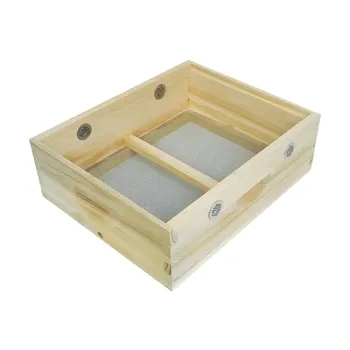
Avoiding defective wooden beehives starts with inspecting both the timber and the workmanship. Reject hives made from knot-ridden, chemically treated, damp, cracked, or insect-damaged wood, as well as boxes with warped panels, open joints, poor squareness, or incorrect bee space. For distributors and beekeepers, these defects can cause colony stress, pest entry, premature replacement, product contamination, and higher service costs.
The safest procurement standard is clean, well-seasoned, knot-free, untreated timber combined with precise, weather-resistant construction. A hive should protect the colony from weather and pests without introducing toxic materials, unstable joints, or dimensional inaccuracies.
Start With Safe, Durable Hive Materials
Reject Chemically Treated Timber
Never procure lumber treated with CCA, pressure preservatives, or other harsh chemical treatments unless its suitability for bee housing and hive-product contact has been specifically verified.
Honeybees can be highly sensitive to airborne and contact toxins. Unsafe treatments may harm colonies or create contamination concerns for honey, wax, royal jelly, and other hive products.
Avoid Plywood With Unverified Adhesives
Standard plywood may contain glues and chemicals that are unsuitable for beehive construction. It should not be accepted simply because it is labeled as wood-based material.
Solid, untreated timber is generally the safer specification. If an engineered panel is required, use only a documented exterior-grade product with adhesives confirmed to be non-toxic and suitable for the intended hive application.
Choose Well-Seasoned Timber
Fresh or poorly seasoned wood can shrink, swell, split, and warp as moisture conditions change. These movements can open joints, alter bee space, and prevent hive components from fitting correctly.
Specify dry, well-seasoned timber suitable for outdoor exposure. Common hive woods include pine, cedar, cypress, fir, and spruce, while regional hardwoods may also be used when they are stable, clean, and appropriately seasoned.
Avoid Timber With Repellent Odors
Wood, coatings, adhesives, and preservatives should not release strong or unusual odors. Repellent chemical smells can discourage bees from occupying the hive.
Require suppliers to disclose treatments, coatings, adhesives, and fumigation processes used on the woodenware.
Inspect the Timber for Defects
Knots and Knot Holes
Large, loose, dead, or falling knots are among the most important defects to avoid. As low-grade wood is exposed to sunlight and weather, knots can shrink or fall out, leaving holes through the hive body.
These unintended openings compromise colony security, weaken pest protection, and make it harder to maintain stable internal temperature. Clear or suitably knot-free timber is the preferred commercial specification for hive bodies and critical structural components.
Insect Holes and Biological Damage
Reject boards containing insect holes, active infestation signs, galleries, fungal damage, or decay. These defects reduce structural strength and may introduce pests into the apiary.
The timber should be clean and free from biological damage before machining, assembly, and delivery.
Splits, Cracks, Shakes, and Checks
Avoid boards with end splits, deep cracks, shakes, or structural checks. These defects can expand during seasonal drying and provide entry points for moisture and pests.
Small, superficial surface marks may be acceptable depending on the product specification, but any defect that passes through the wall or affects a joint should be treated as a rejection risk.
Excessive Resin or Unstable Grain
Boards with unstable grain, severe warping, or excessive resin can be difficult to machine and assemble consistently. They may also produce rough surfaces and unreliable joints.
A supplier should grade boards for straightness, dimensional stability, and suitability for repeated outdoor use rather than selecting timber solely by appearance or price.
Check Hive Construction Quality
Warped or Out-of-Square Boxes
Hive boxes must sit squarely and align with other components. Warped walls or out-of-square assemblies can create gaps, misalign frames, and interfere with inspections.
Use a carpenter’s square and verify that each box remains stable on a flat surface. Commercial shipments should be checked consistently across production batches.
Incorrect Bee Space
Maintaining precise bee space throughout the hive is essential. Incorrect clearances may cause bees to fill unwanted gaps with comb or propolis, while excessive gaps can create inaccessible spaces and inspection problems.
Check the relationship between hive bodies, frames, ledges, entrances, and covers rather than inspecting each component in isolation.
Weak or Open Joints
Open joints, poorly fitted corners, and inadequate fastening allow water penetration and reduce the service life of the hive. Moisture entering through joints can contribute to swelling, rot, and progressive structural failure.
Look for tight, consistent joints supported by appropriate nails, screws, or other fasteners. Pre-drilling is important where necessary to prevent splitting during assembly.
Splitting Around Fasteners
Wood that splits around nails or screws is vulnerable to water entry and joint failure. This often results from unsuitable fasteners, insufficient pre-drilling, dry brittle timber, or fastening too close to an edge.
Fasteners should be corrosion-resistant, such as suitable galvanized types, and installed without damaging the surrounding wood.
Poorly Designed Covers
A top cover should resist rain and sit securely on the super or hive body edges while remaining easy to lift during inspections.
Avoid covers that leak, bind, shift excessively, or require forceful removal. A difficult-to-lift cover can disturb the colony and slows routine apiary work.
Verify Weather and Surface Protection
Inadequate Outdoor Durability
Hive wood is exposed to rain, summer heat, winter frost, and repeated wet-dry cycles. Untreated or poorly selected timber may deteriorate rapidly under these conditions.
Cedar and cypress offer greater natural resistance to rot and weathering, while pine and other softwoods can also perform well when properly seasoned, constructed, and protected.
Defective Coatings
Exterior surfaces should receive a durable protective coating appropriate for beehive use. An exterior oil-based paint may be used where suitable, but the coating must be fully cured and should not introduce toxic or repellent residues.
Avoid peeling, incomplete, contaminated, or poorly bonded coatings. The interior should not be exposed to unverified chemicals or strong odors.
Moisture-Trapping Construction
Construction that traps water around joints, ledges, or the cover can accelerate rot. Inspect for poorly finished edges, unsealed end grain where protection is required, and surfaces that prevent effective drainage.
Weather protection should improve durability without compromising ventilation, access, or bee space.
Understanding the Trade-offs
Lower Cost Can Increase Lifetime Cost
Low-grade knotty or poorly seasoned lumber may reduce the initial purchase price. However, holes, warping, rotten joints, and frequent replacements can increase warranty claims, returns, maintenance, and customer dissatisfaction.
For wholesalers and resellers, consistent grading is often more valuable than the lowest unit price because it protects repeat orders and reduces downstream service problems.
Wood Choice Affects Weight and Longevity
Pine is widely used and offers a practical balance of availability, weight, insulation, and machinability. Cedar and cypress generally provide stronger natural resistance to decay but may carry a higher material cost.
The correct choice depends on the target climate, logistics requirements, product positioning, and expected service life.
Do Not Treat Thickness as a Complete Quality Test
A wall thickness such as 20 mm may be part of a particular hive design or regional specification, but thickness alone does not guarantee quality. A thick board can still be chemically treated, cracked, warped, or structurally unsound.
Evaluate thickness together with timber condition, dimensional accuracy, joint quality, and the design’s compatibility with the required frames and accessories.
Build a Practical Procurement Inspection
Request Material Documentation
Ask suppliers to identify the timber species, seasoning or drying process, treatments, coatings, adhesives, and fastener types.
For larger commercial orders, require written confirmation that the wood is free from prohibited preservatives and that all applied materials are suitable for beehive use.
Inspect Samples Before Bulk Orders
Approve a physical sample or pre-production unit before placing a large order. Examine knots, cracks, insect holes, odors, squareness, bee space, fasteners, cover fit, and coating quality.
The sample should represent the actual production standard rather than being a specially selected demonstration piece.
Define Rejection Criteria in the Purchase Order
Specify unacceptable defects clearly, including loose knots, knot holes, splits, shakes, insect damage, chemical treatment, severe warping, open joints, incorrect dimensions, and coating failure.
A detailed acceptance standard gives distributors and manufacturers a common basis for inspection, claims, replacement, and quality improvement.
Confirm Fulfillment Consistency
For B2B purchasing, product quality is only one part of supply reliability. Confirm that the supplier can maintain the agreed timber grade, construction tolerances, packaging, response times, and delivery schedule across repeat orders.
Making the Right Choice for Your Goal
Use the following priorities when comparing suppliers and hive specifications:
- If your primary focus is colony health: Choose clean, untreated, well-seasoned timber with no toxic treatments, chemical odors, insect damage, or structural openings.
- If your primary focus is long service life: Prioritize rot-resistant or properly protected wood, tight joints, corrosion-resistant fasteners, a weatherproof cover, and stable construction.
- If your primary focus is wholesale consistency: Approve samples, define measurable rejection criteria, and require documented control of materials, dimensions, bee space, and assembly quality.
- If your primary focus is fast fulfillment: Work with a supplier that maintains standardized components, reliable quality inspection, responsive communication, and repeatable production capacity.
A durable wooden beehive is not simply a box made from wood; it is a precisely constructed, chemically safe, weather-resistant environment that protects both the colony and your long-term procurement investment.
Summary Table:
| Defect Category | Specific Defects to Avoid | Why It Matters |
|---|---|---|
| Material | Chemically treated timber (CCA, etc.) | Toxic to bees, contaminates hive products |
| Plywood with unverified adhesives | Potential chemical exposure | |
| Poorly seasoned wood | Warping, splitting, dimensional instability | |
| Timber with repellent odors | Deters bees from occupying hive | |
| Timber Defects | Large, loose, or falling knots | Holes, pest entry, temperature instability |
| Insect holes, fungal damage | Structural weakness, pest introduction | |
| Splits, cracks, shakes | Moisture entry, reduced lifespan | |
| Excessive resin, unstable grain | Poor machining, unreliable joints | |
| Construction | Warped or out-of-square boxes | Misalignment, gaps, inspection issues |
| Incorrect bee space | Comb in unwanted areas, access problems | |
| Weak or open joints | Water penetration, structural failure | |
| Splitting around fasteners | Water entry, joint failure | |
| Poorly designed covers | Leaks, difficulty lifting, colony disturbance | |
| Weather Protection | Inadequate outdoor durability | Rapid deterioration |
| Defective coatings | Peeling, contamination, poor protection | |
| Moisture-trapping construction | Rot and decay |
Ensure your beehive supply meets the highest standards with HONESTBEE. As a leading wholesale provider for commercial apiaries and distributors, we offer a comprehensive range of beekeeping equipment, from hive-making machines to essential tools, all rigorously inspected for quality. Benefit from our one-stop sourcing, rapid response, and dedicated support. Whether you need OEM/ODM, certifications, or reliable bulk supply, we're here to help. Contact us today to discuss your requirements and secure a dependable partnership. Get in touch now!
Related Products
- Wholesales Dadant Size Wooden Bee Hives for Beekeeping
- Wooden Bee Hive Frames for Beekeeping and Wholesale
- Assembled Wooden Bee Frames with Plastic Foundation for Durability and Convenience by HONESTBEE
- HONESTBEE Wired and Assembled Wooden Bee Frames Foundation for a Thriving Hive
- Assembled Wooden Bee Frames with Beeswax Foundation Ready to Use by HONESTBEE
People Also Ask
- What are the strategic benefits of installing beekeeping hives at an elevation of 1 to 6 meters? Protect Your Assets
- What are the key advantages of modern improved beekeeping hives? Scale Your Honey Yield and Production Efficiency
- What is the proper way to store unused bee hives? Expert Stacking Tips for Equipment Longevity
- What are the 2 types of bee hives? Langstroth vs. Top-Bar for Your Apiary
- How does the design of improved beekeeping hives contribute to maintaining honey quality and purity? Enhancing Purity