The treatment for wax moth infestations depends entirely on the severity of the damage. For extensive destruction, the most efficient method is burning the comb and starting fresh; for minor infestations, you must manually clear the webs and larvae, then freeze the equipment to eradicate all life stages.
Effective management requires a quick assessment of damage levels. While freezing preserves equipment in mild cases, severe infestations compromise structural integrity, making destruction the only viable option to protect the apiary.
Assessing the Scope of Damage
Before selecting a treatment method, you must evaluate the condition of the equipment. The viability of the equipment dictates whether you should attempt remediation or disposal.
Identifying Minor Infestations
If the damage is limited to small patches of webbing or a few larvae, the equipment is likely salvageable.
In these cases, the wax structure remains largely intact. This allows you to retain the foundational value of the comb while eliminating the pest.
Recognizing Extensive Damage
When an infestation is severe, the wax is often reduced to a mass of webbing and debris.
If the structural integrity of the comb is compromised, attempting to clean it is inefficient. In these scenarios, the labor required to salvage the frame outweighs the cost of replacement.
Protocols for Minor Infestations
If you determine the equipment can be saved, you must follow a strict two-step process to ensure the infestation is neutralized.
Step 1: Manual Cleaning
Begin by physically removing all visible larvae and silken webs from the frames and boxes.
This mechanical removal clears the bulk of the infestation. It prepares the equipment for the thermal treatment that follows.
Step 2: Thermal Treatment (Freezing)
Once cleaned, place all components into a freezer.
This step is non-negotiable. Freezing is the only way to ensure that hidden larvae and, crucially, the eggs are killed. Without this step, the infestation will likely re-emerge.
Protocols for Extensive Damage
When the equipment is heavily damaged, the priority shifts from salvage to containment and efficiency.
Total Destruction
The most effective method for severe cases is to burn the affected comb.
This ensures the immediate destruction of the pests. It prevents the moths from migrating to healthy hives or storing equipment.
Starting Fresh
After burning the combustible material, replace the frames with new foundation.
This allows the colony to rebuild on a clean slate. It eliminates the risk of reintroducing pathogens or pests associated with the old, damaged wax.
Restoration and Hygiene
Regardless of the severity, any equipment kept in rotation requires attention to detail regarding sanitation.
Sanitizing Honey Supers
Honey supers that have housed wax moths must be thoroughly cleaned and sanitized.
You must remove all traces of larvae, webbing, and frass (waste). This prevents contamination of future honey harvests.
Verifying Structural Integrity
After treatment, inspect the frames to ensure they are robust enough for reuse.
Damaged wax or weakened frames can fail under the weight of honey or brood. Proper restoration ensures the equipment is safe for future colony development.
Understanding the Trade-offs
Choosing between treatment and destruction involves balancing resource conservation against biosecurity risks.
The Labor of Remediation
Freezing and cleaning save the monetary cost of new equipment.
However, this method is labor-intensive and requires adequate freezer space. If the freezing process is cut short, hardy eggs may survive, leading to a recurring problem.
The Efficiency of Replacement
Burning is a definitive solution that guarantees the elimination of the local pest population.
While it incurs a financial cost for new materials, it saves significant time. It removes the uncertainty of whether the cleaning process was 100% effective.
Making the Right Choice for Your Apiary
The decision ultimately rests on the value of the comb versus the risk to your operation.
- If your primary focus is preserving resources: Choose manual cleaning and freezing, but only for equipment with minor, cosmetic damage.
- If your primary focus is efficiency and biosecurity: Choose burning for any equipment where damage is widespread or structural integrity is in question.
Your goal is to ensure a clean environment for your bees; never hesitate to discard equipment that cannot be fully restored to a safe, sanitary condition.
Summary Table:
| Infestation Level | Recommended Action | Goal | Equipment Viability |
|---|---|---|---|
| Minor | Manual Cleaning & Freezing | Eradicate eggs/larvae | High - Salvageable |
| Severe | Burning & Replacement | Biosecurity & Containment | Low - Discard |
| Post-Treatment | Sanitation & Inspection | Hygiene & Safety | Ready for Reuse |
Protect Your Apiary with Professional Grade Solutions
Don't let wax moths compromise your commercial productivity. At HONESTBEE, we empower commercial apiaries and distributors with the high-quality tools needed to bounce back from infestations and scale efficiently.
From replacement frames and foundations to advanced honey-processing machinery and hive-making equipment, we provide the full spectrum of wholesale beekeeping supplies and consumables. Whether you are restocking after a cleanup or upgrading your facility, our portfolio is designed to meet the rigorous demands of the industry.
Secure your colony's future today. Contact us at HONESTBEE to explore our wholesale offerings and see how our hardware and industry expertise can add value to your business.
Related Products
- Electric Beeswax Flat Sheet Machine with Operating Tray for Wax Processing
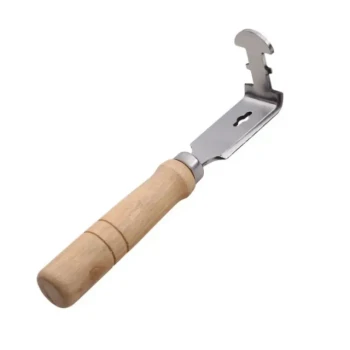
- Stainless Steel J Hook Hive Tool for Beekeeping
- Durable 12V Oxalic Acid Vaporizer for Varroa Mite Treatment Beehive Beekeeping Tool
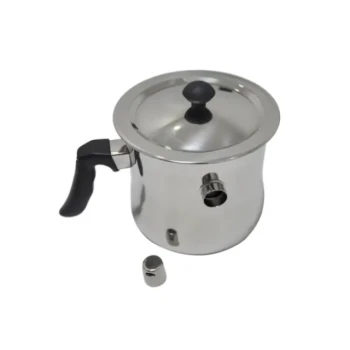
- Beeswax Melter for Candle Making Honey Bee Wax Melter
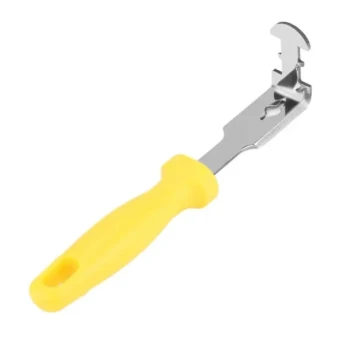
- Professional Honey Scraper for Efficient Apiary Maintenance
People Also Ask
- What is the primary function of the double-roller extrusion system? Master Precision Beeswax Foundation Production
- How do cultural merchandise processing machines contribute to the economic value chain? Boosting Apiary Profitability
- How do specialized beeswax processing machines maximize the value of beekeeping by-products? Boost Your Apiary's ROI
- How does the machine flatten the beeswax? A Guide to Roller and Press Methods
- What are the key functions of a beeswax machine? Maximize Apiary Efficiency & Revenue with Professional Equipment