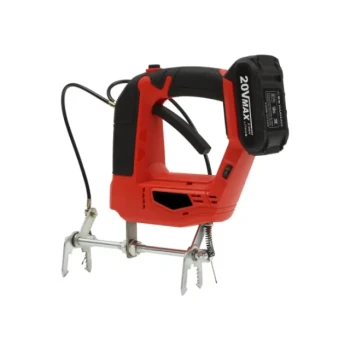
The primary methods for separating varroa mites from bees in a monitoring shaker involve either Carbon Dioxide (CO2) injection or liquid submersion. Additionally, a physical separation method using powdered sugar can be employed for specific sampling containers. These techniques vary significantly in their mechanism of action and whether the sample of bees survives the testing process.
The decision between separation methods rests on the trade-off between colony preservation and testing medium availability. CO2 and powdered sugar allow for non-lethal monitoring, whereas liquid solutions sacrifice the sample for accurate separation.
method 1: The Carbon Dioxide (CO2) Injector
This method focuses on preserving the bee sample through temporary sedation.
Mechanism of Action
This approach utilizes a CO2 injector attached to the shaker. Instead of drowning or coating the bees, the gas is introduced to the container to create a controlled environment.
Impact on the Bees
The CO2 anesthetizes the bees without killing them. This causes the bees to release their hold on the mites, allowing the parasites to fall off during shaking.
Sample Recovery
Once the test is complete and the mites are counted, the bees typically recover from the anesthesia and can be returned to the hive.
Method 2: The Liquid Solution Wash
This method uses a fluid medium to dislodge mites through washing and submersion.
Common Solutions
Operators typically use alcohol or winter windscreen washer fluid. These liquids are readily available and effective at detaching mites from the bee's exoskeleton.
Impact on the Bees
This method is lethal. The bees inside the shaker are killed by the solution, meaning the sample cannot be returned to the colony.
Resource Efficiency
A distinct advantage of this method is reusability. The liquid solution used in one test may often be reused for subsequent tests, maximizing the utility of the fluids.
Method 3: The Powdered Sugar Shake
This alternative method relies on physical separation rather than gas or liquid.
Physical Mixing
This technique uses a specialized circular sampling container to create a closed environment. Honeybees are thoroughly mixed with powdered sugar through controlled rotational shaking.
Separation by Sieve
The container features a mesh lid acting as a precision sieve. This allows fine sugar and detached mites to pass through into a collector while keeping the adult bees inside, resulting in a highly efficient physical separation.
Understanding the Trade-offs
Choosing the right method requires weighing the value of the bee sample against the convenience of the testing medium.
Lethality vs. Survival
The most critical distinction is the survival of the sample. Liquid washes provide a definitive kill, while CO2 and sugar shakes preserve the workforce of the hive.
Consumables and Cost
Liquid solutions like washer fluid are cheap and reusable. CO2 requires injector cartridges, and sugar shakes require dry powder that cannot be reused for the same purpose.
Making the Right Choice for Your Goal
Select the method that aligns with your specific monitoring philosophy and available resources.
- If your primary focus is preserving every bee: Choose the CO2 injector or Powdered Sugar methods to ensure the sample can return to the hive.
- If your primary focus is cost-efficiency and reusability: Choose the Liquid Solution method, as the alcohol or washer fluid can be recycled for multiple tests.
- If your primary focus is purely physical separation: Choose the Powdered Sugar method to utilize the mechanical sieve action without chemical agents.
Effective monitoring is consistent monitoring, regardless of the separation medium you choose.
Summary Table:
| Method | Medium Used | Impact on Bees | Key Advantage |
|---|---|---|---|
| CO2 Injection | Carbon Dioxide Gas | Non-Lethal | Preserves bee sample via sedation |
| Liquid Wash | Alcohol / Washer Fluid | Lethal | Cost-effective and reusable medium |
| Sugar Shake | Powdered Sugar | Non-Lethal | Physical separation via precision sieve |
Maximize Your Colony Health with HONESTBEE Professional Solutions
Effective varroa mite management is the cornerstone of a productive apiary. At HONESTBEE, we specialize in supporting commercial apiaries and distributors by providing the industry's most reliable beekeeping tools and machinery.
Whether you need precision varroa monitoring equipment, high-capacity honey-filling machines, or bulk consumables, our comprehensive wholesale portfolio is designed to scale your operations. From specialized hardware to honey-themed cultural merchandise, we bring value through durability and innovation.
Ready to elevate your beekeeping business? Contact us today to discuss how our wholesale solutions can optimize your workflow and protect your bees.
Related Products
- Varroa Easy Check Mite Tester Kit Counter Alcohol Wash Jar
- Compact Circular Bee Mite Treatment Dispenser
- Langstroth Screen Bottom Board for Beekeeping Wholesale
- Adjustable Formic and Acetic Acid Dispenser for Bee Mite Treatment
- High Performance Cordless Electric Bee Shaker for Beekeeping
People Also Ask
- What tools are utilized within an Integrated Pest Management (IPM) strategy for honeybees? Optimize Colony Health
- What is the significance of standardized detection tools in Varroa control? Data-Driven Beekeeping Strategies
- Why is surfactant added to 70% alcohol for Varroa detection? Ensure Accurate Mite Counts for Professional Beekeeping
- What is the purpose of using white filter cloth for Varroa mite screening? Enhance Detection and Accuracy
- How does a specialized Varroa mite tester with sugar powder facilitate mite diagnosis? Precise B2B Hive Health Solutions