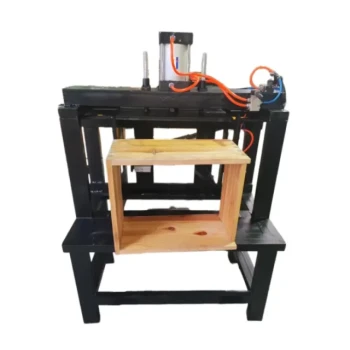
Commercial beekeeping enterprises can reduce labor and production risk by combining standardized workflows with targeted mechanization. Automated or semi-automated hive-making, honey extraction, uncapping, filling, transport, and monitoring equipment reduces dependence on scarce labor while improving consistency. Disease-prevention consumables, professional protective tools, and standardized hardware further protect colonies, workers, product quality, and operating continuity.
The strongest approach is not to automate everything at once, but to mechanize the most labor-intensive and risk-sensitive processes first. A coordinated equipment portfolio—supported by reliable sourcing, technical guidance, and fast fulfillment—helps commercial apiaries maintain production when labor availability, weather, yields, or disease conditions change.
Where Commercial Apiaries Face the Greatest Risk
Labor shortages disrupt routine operations
Commercial apiaries depend on repeated tasks such as hive inspection, frame handling, colony relocation, harvesting, extraction, and packaging. When skilled labor is scarce or external labor costs rise, delayed work can affect colony health, harvest timing, and production continuity.
Yield variability makes labor planning difficult
Environmental changes and fluctuating colony conditions can create uneven harvest volumes. Equipment and standardized processes help enterprises adapt capacity more efficiently instead of relying entirely on additional temporary workers.
Disease and colony losses threaten investment
Disease management requires timely inspection, consistent hygiene, and appropriate prevention materials. Delayed intervention or inconsistent handling can increase colony losses and expose the enterprise to wider operational disruption.
Build a More Labor-Efficient Operating Model
Standardize hive systems and daily procedures
Standardized beehives, frames, and associated hardware make inspections, maintenance, transport, and harvesting more predictable. Operators can follow repeatable procedures rather than adapting manually to different equipment configurations.
Standardization also simplifies spare-parts management and workforce training. This is particularly valuable for enterprises operating multiple apiaries or working with rotating personnel.
Mechanize the highest-volume tasks first
The best initial targets are repetitive processes that consume significant labor but follow a consistent sequence. These commonly include hive-component production, uncapping, honey extraction, filling, and material handling.
This approach improves labor productivity without removing the human judgment still required for colony assessment and disease decisions.
Organize work around complete process flows
Equipment should be selected as part of a workflow rather than as isolated machinery. Hive preparation, colony management, harvesting, extraction, filling, cleaning, and storage should be assessed as one connected production system.
A coordinated workflow reduces bottlenecks between stages. It also helps distributors and resellers recommend complete equipment suites instead of disconnected products that may not integrate operationally.
Equipment Solutions That Reduce Labor Dependence
Hive-making and standardized hive equipment
Precision hive-making equipment supports consistent production of hive components and reduces manual fabrication effort. Standardized hives and frames also make replacement, maintenance, and large-scale handling more efficient.
For commercial operators, the benefit is operational repeatability: workers can use familiar procedures across more colonies with less variation.
Uncapping and honey extraction equipment
Honey uncapping knives and automated or industrial-grade extraction equipment reduce the manual intensity of harvest processing. They help enterprises handle larger volumes while supporting more consistent processing hygiene.
Extraction capacity should be matched to expected harvest volume and upstream harvesting speed. Otherwise, the extraction stage may become a bottleneck even if field labor has been reduced.
Automated filling equipment
Filling machinery standardizes product portioning and reduces repetitive manual packaging work. It can also support a cleaner, more consistent presentation for commercial honey products.
Enterprises should evaluate filling equipment alongside extraction and storage processes. Increased extraction capacity has limited value if packaging cannot keep pace.
Electric forklifts and transport equipment
Electric transport forklifts and related handling tools reduce the physical burden of moving hive materials, supers, containers, and harvested honey. They are especially useful where apiaries, storage areas, and processing facilities require frequent material movement.
Mechanized transport also reduces the time workers spend on low-value manual handling, allowing scarce skilled labor to focus on colony management and quality control.
Professional protective and hive-handling tools
Hive tools, bee smokers, and protective clothing improve operator safety and handling consistency. They help workers open hives, calm colonies, and remove frames with less disruption.
These tools are basic compared with automated machinery, but they are essential to maintaining safe and continuous operations. Preventing injuries and unnecessary colony disturbance directly supports production stability.
Smart monitoring systems and sensors
Sensors and real-time hive monitoring systems shift part of the management process from routine manual checking to technology-assisted observation. They can improve the precision and timeliness of environmental and colony monitoring.
Monitoring does not eliminate the need for experienced beekeepers. Its value is in helping teams prioritize inspections and respond more efficiently when conditions change.
Use Disease Prevention as an Operational Strategy
Pair prevention consumables with standardized hygiene
Specialized disease-prevention consumables should be integrated into documented hive-management and cleaning procedures. Consistency matters because irregular application or poor handling can undermine the value of the materials.
A standardized approach also makes training easier and helps managers identify deviations before they become widespread problems.
Reduce unnecessary hive disturbance
Efficient tools and monitoring systems can shorten the duration and frequency of manual interventions. Less unnecessary handling can reduce operational strain while providing a more stable environment for colonies.
The objective is not simply fewer inspections. It is more targeted intervention, based on practical observation and reliable monitoring information.
Protect the enterprise’s physical assets
Hive equipment, processing machinery, protective gear, and disease-prevention supplies represent significant operating investments. Planned maintenance, appropriate storage, and dependable replacement access help prevent small equipment failures from becoming production interruptions.
For distributors and B2B buyers, availability of compatible components and responsive after-sales support can be as important as the initial equipment specification.
Create a Scalable Equipment Portfolio
Combine essential tools with automation
A practical portfolio should cover both daily field operations and processing requirements. This may include:
- Hive-making machinery and standardized hive hardware
- Hive tools, smokers, and protective clothing
- Honey uncapping and extraction equipment
- Automated or semi-automated filling equipment
- Electric forklifts and transport solutions
- Sensors and real-time monitoring systems
- Disease-prevention consumables and maintenance supplies
This full-spectrum approach helps enterprises avoid gaps between colony management, harvest handling, and final product preparation.
Match solutions to enterprise scale
Smaller apiaries may achieve the greatest return from efficient hand tools, standardized hives, protective equipment, and selected processing upgrades. Larger enterprises may justify integrated extraction, filling, transport, and monitoring systems.
The correct choice depends on colony numbers, harvest volume, facility layout, labor availability, and expected growth. Equipment should expand operational capacity rather than create unused complexity.
Build supply continuity into procurement
Labor shortages are not the only source of disruption. Delayed replacement parts, unavailable consumables, or slow equipment response can also interrupt production.
A dependable sourcing partner should offer broad product coverage, quick communication, technical understanding, and efficient order fulfillment. These capabilities reduce the risk of assembling a system from suppliers that cannot support the operation after the sale.
Understanding the Trade-offs
Automation requires upfront investment
Mechanized equipment can reduce labor intensity and unit production costs over time, but it requires capital, installation planning, operator training, and maintenance. Enterprises should prioritize equipment according to measurable bottlenecks rather than purchase automation solely for its novelty.
Technology does not replace beekeeping expertise
Sensors and machinery improve consistency and efficiency, but they do not replace decisions about colony health, disease response, forage conditions, or seasonal management. Automation is most effective when it supports experienced operators.
Over-mechanization can create new bottlenecks
A faster extractor may overwhelm filling, storage, transport, or quality-control capacity. Similarly, monitoring systems can generate information that teams are not prepared to interpret or act upon.
Each upgrade should therefore be evaluated across the entire workflow, including labor skills, facility capacity, maintenance requirements, and downstream processing.
Standardization must allow practical flexibility
Standardized hardware improves efficiency, but operations may still face different climates, apiary layouts, colony conditions, and transport requirements. Systems should be consistent enough to simplify work without preventing necessary local adjustments.
Equipment quality and service matter
Low-cost equipment may create hidden expenses through breakdowns, inconsistent performance, difficult cleaning, or unavailable parts. For commercial operations, supplier responsiveness, product compatibility, and delivery reliability are part of the equipment’s practical value.
Making the Right Choice for Your Goal
Select equipment according to the operational risk you need to reduce first.
- If your primary focus is reducing labor dependence: Prioritize standardized hive systems, hive-making equipment, extraction machinery, automated filling, and electric material-handling solutions.
- If your primary focus is protecting colony health: Combine professional hive-handling tools, protective clothing, disease-prevention consumables, standardized hygiene procedures, and targeted monitoring.
- If your primary focus is increasing processing capacity: Integrate uncapping, extraction, filling, storage, and transport equipment so that one upgraded stage does not create a downstream bottleneck.
- If your primary focus is reducing production uncertainty: Use sensors and real-time monitoring to identify changing conditions earlier and direct scarce labor toward the colonies requiring attention.
- If your primary focus is reliable procurement: Work with a supplier capable of providing a broad equipment portfolio, fast technical responses, dependable replacement access, and efficient fulfillment.
A deliberate combination of standardization, targeted automation, monitoring, and dependable supply support enables commercial apiaries to produce more consistently with less exposure to labor and operational risk.
Summary Table:
| Strategy | Key Equipment | Outcome |
|---|---|---|
| Standardize hive systems | Standardized hives, frames, hardware | Predictable operations, easier training, simpler maintenance |
| Mechanize high-volume tasks | Hive-making, uncapping, extraction, filling machines | Reduced labor intensity, higher throughput |
| Integrate complete workflow | Extraction, filling, transport, storage line | Minimized bottlenecks, improved process flow |
| Use protective tools & consumables | Smokers, hive tools, protective clothing, disease preventatives | Enhanced safety, reduced colony disturbance, disease control |
| Implement smart monitoring | Sensors, real-time hive tracking | Timely intervention, optimized inspections |
| Ensure supply continuity | Full equipment portfolio, reliable supplier | Reduced downtime, consistent replacement access |
Ready to overcome labor shortages and production risks? At HONESTBEE, we supply commercial apiaries and distributors with a comprehensive range of beekeeping equipment, machinery, and consumables. From hive-making and honey-filling machines to protective gear and monitoring systems, we support your entire workflow. Our dedicated service ensures rapid response, professional guidance, and ultra-fast delivery. Contact us today to secure your supply chain and enhance your operational resilience. Get in touch with our experts!
Related Products
- Stainless Steel J Hook Hive Tool for Beekeeping
- HONESTBEE 15-in-1 Beekeeper Multi-Tool with Hammer and Pliers for Beekeeping
- HONESTBEE Classic Pry Bar Hive Tool with High Visibility Finish for Beekeeping
- Multi-Function Plier-Style Frame Grip Hive Tool
- Stainless Steel Queen Grafting Tool for Beekeeping and Bee Queen Grafting
People Also Ask
- What specific challenges do beekeeping hive tools address during hive maintenance? Essential Solutions for Apiaries
- What are the features of a J-hook hive tool? Effortlessly Lift Frames with Superior Leverage
- What is a J-hook hive tool and why is it favored by some beekeepers? Master Gentle Frame Handling
- What is the purpose of the J-hook hive tool? Effortlessly Lift Frames with Superior Leverage
- How is a J-hook hive tool designed and what is its primary use? Master Effortless Hive Inspections