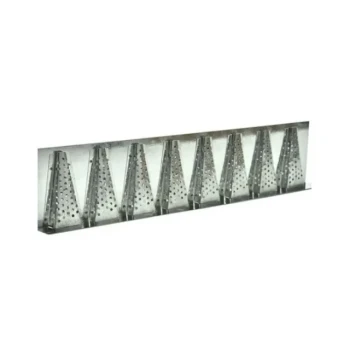
As October brings lower temperatures, the necessary physical preparations for beehives center on four critical actions: installing pest barriers, securing food stores, optimizing hive location, and regulating internal moisture. You must install mouse guards at hive entrances, ensure the colony is adequately fed, potentially relocate the hives to wind-protected areas, and verify the setup allows for sufficient ventilation.
Successful winterizing is not just about temperature retention; it is about moisture management and security. The goal of October preparation is to create a dry, defended fortress where the colony can cluster safely without the threat of intrusion or condensation.
Securing the Physical Perimeter
Installing Mouse Guards
As the weather cools, rodents seek warmth and will attempt to nest inside the hive. You must install mouse guards at the hive entrances immediately. These metal or plastic inserts restrict the opening size, allowing bees to pass while physically blocking mice.
Relocating for Wind Protection
Wind chill can significantly deplete a colony's energy reserves as they struggle to maintain cluster heat. Assess your apiary's exposure to prevailing winter winds. If necessary, physically move the hives to a location that offers natural windbreaks or install temporary wind fencing.
Managing the Internal Climate
Controlling Moisture
The primary threat to overwintering bees is often moisture, not just cold. You must verify that your hive setup includes adequate moisture control mechanisms. Without this, the bees' respiration creates condensation that freezes and drips back onto the cluster, which is often fatal.
Verifying Ventilation
Closely linked to moisture control is airflow. Ensure the hive configuration provides adequate ventilation. This usually involves a top entrance or specific cover adjustments that allow humid air to escape without creating a draft that cuts directly through the cluster.
Nutritional Reserves
Finalizing Food Stores
While structural changes are paramount, the physical state of the colony's pantry is equally critical. The primary reference explicitly states you must ensure the colonies are fed for the winter. October is the final window to physically add heavy syrup or sugar boards if their stored honey weight is insufficient.
Common Pitfalls in Winterizing
The Error of Over-Sealing
A common mistake is sealing the hive too tightly in an attempt to keep the bees warm. Do not seal every crack. Blocking all airflow prevents humidity from escaping, leading to the lethal condensation mentioned earlier.
Timing the Mouse Guard
Installing mouse guards too late is a significant risk. If you install the guard after a mouse has already entered for the evening, you trap the pest inside with the bees. Verify the hive is clear of rodents before securing the guard.
Making the Right Choice for Your Goal
To ensure your colony survives the winter, prioritize your actions based on your specific environmental risks:
- If your primary focus is preventing colony collapse from dampness: Prioritize top ventilation and moisture-absorbing materials (like quilt boxes) over maximum insulation.
- If your primary focus is preventing physical intrusion: Install mouse guards immediately before the first hard frost drives rodents indoors.
- If your primary focus is energy conservation: Relocate hives to a wind-protected area to reduce the metabolic load on the cluster.
Thorough preparation in October is the single most effective way to ensure a thriving colony in the spring.
Summary Table:
| Preparation Category | Key Action Required | Primary Benefit |
|---|---|---|
| Pest Control | Install metal/plastic mouse guards | Prevents rodent nesting and comb destruction |
| Climate Management | Ensure top ventilation and moisture traps | Prevents lethal condensation from dripping on the cluster |
| Wind Protection | Relocate to natural windbreaks or install fencing | Reduces energy consumption by minimizing wind chill |
| Nutrition | Supplement with heavy syrup or sugar boards | Ensures adequate food reserves for the winter cluster |
Maximize Your Colony Survival with HONESTBEE
Transitioning into the colder months requires professional-grade equipment that stands up to the elements. HONESTBEE is dedicated to supporting commercial apiaries and distributors with a comprehensive range of high-quality beekeeping tools and machinery.
Whether you need precision hive-making machines to expand your apiary, high-efficiency honey-filling equipment, or essential winterizing consumables, we provide the wholesale solutions you need to scale your operations. Partner with us to access durable hardware and honey-themed cultural merchandise designed for the modern industry.
Ready to upgrade your apiary’s efficiency? Contact us today to explore our wholesale catalog!
Related Products
- 8-Cone Galvanized Steel Bee Robber Guard
- Beehive Entrance Reducer Guardian Metal Hive Entrance for Bees
- JZBZ Style Push-In Cell Protector for Professional Queen Rearing Kits
People Also Ask
- What protective functions do beehive entrance guards provide? Defend Your Hive Against Wasps and Moths
- What is the primary function of protective guards at hive entrances? Block Rodents & Boost Winter Survival Rates
- How do conical metal guards or rubber inner tubes function as pest control tools? Stop Ants with Mechanical Barriers
- What is the function of Hive Entrance Guards? Master Bee Colony Defense Against Small Hive Beetles
- How can hardware mesh be applied to a beehive entrance for winter protection? Secure Your Colony Against Pests