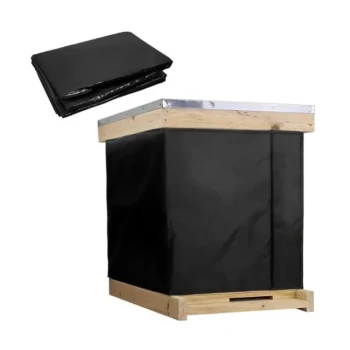
Professional hive insulation acts as a critical thermal barrier designed to drastically slow the rate of heat loss from the colony. Physically, it stabilizes the internal environment, allowing the honeybee cluster to maintain core temperatures with significantly reduced metabolic effort and food consumption.
Core Takeaway Insulation does not generate heat; it preserves the energy the bees work hard to produce. Its primary value lies in reducing the colony's "metabolic burden"—allowing bees to survive winter by vibrating less and eating less, while simultaneously preventing deadly moisture buildup on internal hive walls.
The Mechanics of Thermal Protection
Creating a Stable Thermal Barrier
The primary physical role of insulation is to create a shield between the colony and the external environment, specifically in severe cold climates.
By wrapping the hive sides or upgrading the hardware, the material increases the thermal resistance of the hive walls. This reduces the rate at which heat escapes the cluster, optimizing the hive's internal thermal balance.
Reducing Metabolic Load and Wing Vibration
Honeybees generate heat through physical exertion, specifically by vibrating their wing muscles.
When insulation retains more heat within the hive structure, bees are required to vibrate their muscles less intensely to maintain the necessary nest temperature (typically between 24 and 34 degrees Celsius). This directly reduces the physical stress and fatigue placed on individual bees.
Conserving Critical Honey Stores
There is a direct physical correlation between heat loss and food consumption.
Because the bees expend less energy to maintain the cluster temperature, they consume significantly less of their winter honey reserves. This preservation of stores is often the deciding factor in whether a colony survives until spring.
Preventing Internal Condensation
One of the most dangerous physical threats in winter is not the cold itself, but cold water dripping onto the cluster.
Insulation keeps the internal surface of the hive walls warmer. This prevents warm, moist air rising from the cluster from reaching the dew point against a freezing wall, thereby stopping moisture condensation that leads to dampness, mold, and colony death.
Understanding the Trade-offs
The Necessity of Ventilation
While insulation traps heat, it must not seal the hive completely.
Optimized ventilation is required alongside insulation to allow excess moisture to escape. A hive that is heavily insulated but poorly ventilated may become a warm, wet environment, which is fatal to bees.
Managing Temperature Fluctuations
The goal of insulation is stability, not just heat retention.
Poorly implemented insulation can sometimes mask external cues or lead to drastic temperature fluctuations if the external weather changes rapidly. High-quality hardware aims to smooth out these spikes, maintaining a stable internal microenvironment.
Making the Right Choice for Your Goal
To maximize colony survival, match your insulation strategy to your specific climate severity.
- If your primary focus is preventing starvation: Prioritize high R-value side insulation to minimize heat loss, reducing the metabolic burn rate of honey stores.
- If your primary focus is moisture control: Ensure your insulation setup includes a moisture quilt or upper ventilation to work in tandem with warm walls to prevent condensation.
By treating insulation as a tool for energy conservation rather than just heating, you transform the hive from a shelter into a highly efficient survival system.
Summary Table:
| Physical Function | Primary Benefit | Impact on Honeybee Colony |
|---|---|---|
| Thermal Resistance | Slows heat loss | Maintains internal thermal balance in severe cold |
| Metabolic Reduction | Less wing vibration | Reduces physical stress and fatigue on individual bees |
| Resource Conservation | Lower food consumption | Preserves critical winter honey stores for spring |
| Dew Point Regulation | Prevents condensation | Stops dampness, mold, and cold water drips on the cluster |
| Environmental Stability | Smoothes temp spikes | Creates a consistent microenvironment for survival |
Maximize Your Colony’s Survival with HONESTBEE
At HONESTBEE, we understand that professional-grade insulation is the difference between survival and starvation for your commercial apiary. We provide a comprehensive wholesale range of high-performance beekeeping tools, specialized machinery, and winter-ready hardware designed to protect your investment.
Whether you are a distributor looking for robust hive-making machinery or a commercial beekeeper requiring essential industry consumables, our expert-curated portfolio delivers the reliability you need. Let us help you build a more efficient survival system.
Contact HONESTBEE Today for Wholesale Inquiries
References
- Mariia Fedorіak, O. D. Zarochentseva. Results of Standardized Beekeeper Survey of Honey Bee Colony Losses in Ukraine for Winter 2018-2019. DOI: 10.26565/1992-4259-2020-23-11
This article is also based on technical information from HonestBee Knowledge Base .
Related Products
- Professional Insulated Plastic Bee Hives
- Professional Insulated Winter Hive Wrap for Beekeeping
- Professional Galvanized Steel Frame Rest for Beehives
- Inner Beehive Cover for Beekeeping Bee Hive Inner Cover
- Professional Large-Format Hive Number Set for Beekeeping
People Also Ask
- What are the advantages of plastic bee hives? Boost Efficiency & Durability for Your Apiary
- Are plastic bee hives any good? Unlock Durability & Efficiency for Your Apiary
- How do plastic bee hives compare to wooden hives in handling? Reduce Strain & Boost Efficiency
- Are plastic bee hives good? Durable, Low-Maintenance Hives for Modern Apiaries
- What are the disadvantages of plastic beehives? Key Operational and Environmental Risks Exposed