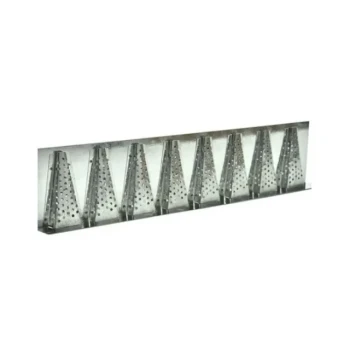
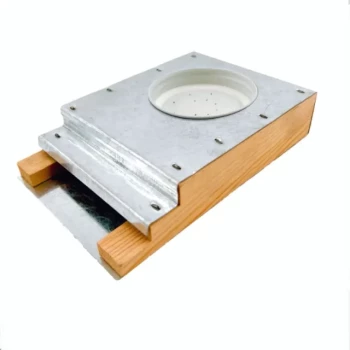
Combining optical sensors with computer vision primarily solves the challenge of obtaining accurate, continuous data on hive activity, which is effectively impossible through manual observation. By automating the analysis of bee traffic, this technology delivers precise metrics on foraging efficiency, security threats like colony robbing, and external resource availability.
Core Takeaway Manual observation of beehives is prone to inconsistency and human error. Integrating high-definition cameras with image recognition algorithms automates the data collection process, transforming subjective visual checks into objective, real-time insights regarding colony health, safety, and productivity.
Overcoming the Limits of Human Observation
Eliminating Manual Counting Errors
The most immediate problem addressed by this technology is the inaccuracy of manual counting.
Tracking thousands of fast-moving insects is visually overwhelming for humans to perform consistently.
Computer vision algorithms process high-definition video feeds to provide an automated, precise count of bee traffic entering and exiting the hive.
Establishing Real-Time Baselines
Automated monitoring allows for the assessment of foraging efficiency in real time.
Unlike periodic human inspections, camera systems operate continuously.
This creates a reliable baseline of activity, making it easier to spot deviations that indicate colony distress or health issues.
Enhancing Colony Security and Resource Tracking
Detecting Robbing Behavior
A critical security issue for any apiary is robbing, where stronger colonies attack weaker ones to steal resources.
Image recognition algorithms can be trained to identify the chaotic flight patterns and fighting associated with these attacks.
Early identification allows beekeepers to intervene before a colony is destroyed.
Assessing Nectar Flow Status
This technology also solves the problem of estimating external resource availability without opening the hive.
By analyzing the images of returning bees, the algorithms can detect and quantify pollen loads.
This data serves as a proxy for nectar flow status, helping beekeepers understand if the environment is currently supporting the colony.
Understanding the Trade-offs
Dependence on Visual Clarity
Because this solution relies on optical cameras, it is inherently limited by what the lens can see.
Obstructions at the entrance or poor lighting conditions can degrade the accuracy of image recognition algorithms.
Complexity of Implementation
While effective, moving from manual checks to high-definition video processing adds technical complexity.
It requires hardware capable of capturing HD footage and software sophisticated enough to process it, which may be a barrier for casual hobbyists compared to traditional low-tech methods.
Making the Right Choice for Your Goal
To determine if optical monitoring is right for your apiary, consider your specific management objectives:
- If your primary focus is Colony Security: Use this technology to set up alerts for high-traffic spikes that indicate robbing behavior.
- If your primary focus is Productivity Tracking: Leverage pollen load analysis to correlate nectar flow with honey production.
- If your primary focus is Scientific Accuracy: Rely on automated counting to eliminate the statistical noise caused by human observer error.
Data is only valuable if it is accurate. By removing human error from the equation, optical computer vision provides the clarity needed to make informed management decisions.
Summary Table:
| Problem Solved | Technology Benefit | Key Outcome |
|---|---|---|
| Manual Counting Errors | High-definition video processing | Precise, automated bee traffic metrics |
| Colony Robbing | Flight pattern recognition | Real-time alerts to prevent hive destruction |
| Resource Assessment | Pollen load image analysis | Accurate estimation of nectar flow and forage |
| Inconsistent Data | Continuous 24/7 monitoring | Reliable health baselines and trend detection |
Upgrade Your Apiary Operations with HONESTBEE
Transitioning from manual observation to data-driven precision is essential for modern commercial success. HONESTBEE empowers commercial apiaries and distributors with the high-performance tools needed to scale efficiently. From hive-making and honey-filling machinery to a full spectrum of beekeeping hardware and essential consumables, we provide the industrial-grade solutions your business demands.
Why partner with HONESTBEE?
- Comprehensive Wholesale Range: Get everything from specialized machinery to honey-themed cultural merchandise.
- Commercial Scale Support: We cater specifically to large-scale operations and global distributors.
- Industry Expertise: Enhance your productivity and scientific accuracy with our professional-grade equipment.
Ready to optimize your production and secure your colonies? Contact our expert team today to explore our wholesale offerings!
References
- Pier Paolo Danieli, Fulvia Bovera. Precision Beekeeping Systems: State of the Art, Pros and Cons, and Their Application as Tools for Advancing the Beekeeping Sector. DOI: 10.3390/ani14010070
This article is also based on technical information from HonestBee Knowledge Base .
Related Products
- Multi-Functional Sliding Hive Entrance for Beekeeping
- Professional Reversible Beehive Hive Entrance
- Beehive Entrance Reducer Guardian Metal Hive Entrance for Bees
- Multi-Functional Rotary Hive Entrance Disc for Beekeeping
- Steel Round Disc Entrance Reducer for Flexzion Bee Hive Nuc Box Gate
People Also Ask
- What roles does the hive entrance (piquera) play in beehive management and colony health? Essential Guide for Pro Apiaries
- Where is the hive entrance typically located? Optimize Your Hive's Health and Honey Production
- What role does the size of the entrance play in hive ventilation? Master Beehive Climate Control
- What is the best entrance for a bee hive? Maximize Colony Health & Honey Production
- What happens if you block the entrance to a bee hive? Avoid This Dangerous Mistake