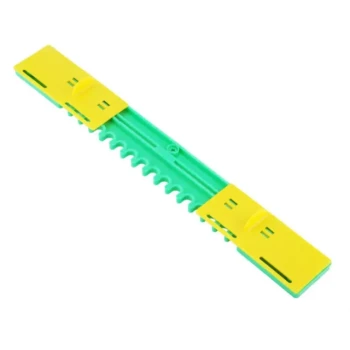
Installing pest control inserts on the inner surface of the beehive top cover establishes a critical barrier against moisture-seeking pests. specifically, this method targets insects like earwigs that congregate in the upper crevices and insulation of the hive during cool or humid weather. By treating this specific zone, beekeepers can neutralize pests at their primary hiding spots, effectively preventing them from migrating downward into the colony and contaminating the honeycombs.
By targeting the "attic" of the hive where pests seek shelter, treated inserts prevent invaders from reaching the colony core, ensuring the honeycombs remain uncontaminated.
Targeted Defense Against Infiltration
Identifying the Vulnerability
Pests, particularly earwigs and similar insects, are naturally drawn to the top sections of a beehive.
They seek out the insulation cotton, small crevices, and the protected space provided by the top cover.
The Role of Weather
This behavior is most prevalent during cool or humid weather.
The pests utilize the top cover as a refuge from the elements, turning the upper limit of the hive into a staging ground for infestation.
The Mechanism of Protection
Preventing Downward Migration
The primary function of these inserts is to intercept pests before they can move deeper into the hive.
By installing the insert on the inner surface of the top cover, you target the pests' primary entry paths.
This effectively blocks them from traveling down into the core colony area where the bees reside.
Preserving Honeycomb Hygiene
Beyond protecting the bees themselves, these inserts protect the hive's resources.
Stopping pests at the top cover prevents them from physically soiling the interior.
This is crucial for preventing the contamination of honeycombs by waste or physical presence of pests.
Operational Considerations and Trade-offs
Specificity of the Solution
While effective against earwigs and pests that hide in crevices, this solution is location-specific.
It addresses pests entering or hiding in the top assembly, but may not address internal parasites or pests entering through the bottom board.
Interaction with Hive Ventilation
The inner cover and top assembly are vital for hive ventilation and humidity control.
When installing inserts, care must be taken to ensure they do not obstruct the air circulation provided by the inner cover's center hole or notched upper entrance.
Making the Right Choice for Your Goal
To effectively utilize pest control inserts, align their use with your specific management objectives:
- If your primary focus is sanitation: Use these inserts to keep the upper insulation and inner cover surfaces free of earwig waste and debris.
- If your primary focus is colony stress reduction: Install inserts during cool or humid seasons to prevent pests from establishing a foothold above the brood nest.
Strategic placement of pest control inserts turns the hive's most vulnerable shelter into a proactive defense system.
Summary Table:
| Protection Feature | Target Pests | Key Benefit |
|---|---|---|
| Infiltration Barrier | Earwigs & moisture-seeking insects | Stops pests at primary entry and hiding spots |
| Resource Safety | Waste-producing insects | Prevents contamination of honeycombs and wax |
| Seasonal Defense | Cool & humid weather invaders | Neutralizes pests in the hive's "attic" insulation |
| Stress Reduction | Shelter-seeking pests | Keeps the brood nest secure and undisturbed |
Secure Your Apiary with HONESTBEE Solutions
Protecting your colonies from pests requires precision-engineered equipment. At HONESTBEE, we specialize in supporting commercial apiaries and distributors by providing a comprehensive range of high-quality beekeeping tools and machinery.
From specialized hardware like hive-making and honey-filling machines to essential industry consumables, our wholesale portfolio is designed to enhance your operational efficiency and hive sanitation. Whether you are scaling a professional apiary or stocking your distribution network, we offer the expertise and equipment you need to succeed.
Ready to upgrade your beekeeping equipment? Contact HONESTBEE Today to explore our wholesale offerings and discover how we can add value to your business.
References
- A.N. Domatsky, T.F. Domatskaya. Earwigs - pests of honey bees Apis mellifera. DOI: 10.15421/2020_266
This article is also based on technical information from HonestBee Knowledge Base .
Related Products
- Professional Reversible Beehive Hive Entrance
- Inner Beehive Cover for Beekeeping Bee Hive Inner Cover
- Beehive Entrance Discs Plastic Bee Entrance Disc for Bee Hives
- Professional Hive Top Bee Feeder for Beekeeping
- HONESTBEE Square Top Hive Bee Feeder Top Bee Feeder
People Also Ask
- Where is the hive entrance typically located? Optimize Your Hive's Health and Honey Production
- What role does the size of the entrance play in hive ventilation? Master Beehive Climate Control
- What roles does the hive entrance (piquera) play in beehive management and colony health? Essential Guide for Pro Apiaries
- What are the primary advantages of providing a smaller entrance for a beehive? Boost Defense and Winter Survival
- Why adjust beehive entrance size for humidity? Boost Honey Ripening and Varroa Control in Commercial Apiaries