Hanging wires and ropes function as a primary physical isolation mechanism that separates the beehive from ground-level threats. By suspending the hive from trees or specialized frames, these materials create a narrow, unstable path that effectively blocks access for climbing pests like ants and larger predators like honey badgers.
The core value of suspension lies not just in height, but in surface minimization; thin wires and ropes eliminate the rigid bridges that ground-dwelling predators rely on to invade a colony.
The Mechanics of Suspension Defense
Creating a Physical Disconnect
The primary function of hanging hardware is to sever the connection between the ground and the hive. Ground-dwelling predators, specifically ants and honey badgers, rely on continuous surfaces to track scents and access food sources.
Suspension wires replace broad pathways (like hive stand legs) with thin, difficult-to-traverse lines. This physical isolation serves as a critical safety measure, significantly reducing colony losses caused by infestation.
Deterring Small Mammals
Beyond insects, suspension systems address threats from small mammals such as skunks and mice. These animals are opportunistic feeders that typically forage at ground level.
By raising the hive significantly above the ground, you place the entrance out of reach. This prevents skunks from scratching at the entrance to lure bees out and stops mice from entering to nest or steal honey during colder months.
Tactical Advantages for the Colony
Slowing Down Invaders
Elevation provides the colony with a distinct tactical advantage. Even if a predator attempts to navigate the suspension wires, the difficulty of the ascent slows them down significantly.
This delay creates a window of opportunity for guard bees to detect the intrusion and mount a defense before the predator reaches the comb.
Reducing Predator Motivation
Most predators operate on an energy-expenditure basis. If a hive is suspended, the "cost" of accessing it—in terms of effort and risk of falling—often outweighs the potential reward.
When predators cannot immediately access the hive contents due to the height disadvantage, they frequently lose motivation and abandon the attack.
Understanding the Trade-offs
Vulnerability to Environmental Elements
While suspension protects against pests, it can expose the hive to other elements. A hanging hive is less stable than a ground-mounted one and may be susceptible to swaying in high winds.
Management Complexity
Suspension systems can make routine inspections more physically demanding for the beekeeper. You must ensure the rigging is secure enough to hold a hive full of honey, yet accessible enough for you to perform maintenance without destabilizing the colony.
Making the Right Choice for Your Goal
To determine if a suspension system is the right protective measure for your apiary, consider your primary threats.
- If your primary focus is excluding ants and honey badgers: Use thin, high-tensile wires or greased ropes to suspend the hive, as these provide the highest level of isolation.
- If your primary focus is deterring skunks and mice: Ensure the hive is elevated significantly, though a rigid stand with a narrow footprint may suffice if hanging is not feasible.
- If your primary focus is winter stability: Combine elevation with windbreaks and mouse guards to ensure the hive remains secure and insulated against the cold.
Effective hive defense is about layering your protection to match the specific behavior of your local predators.
Summary Table:
| Protective Mechanism | Target Pests/Predators | Key Benefit |
|---|---|---|
| Surface Minimization | Ants & Climbing Insects | Eliminates wide pathways and scent trails. |
| Vertical Isolation | Skunks, Mice & Badgers | Keeps hive entrances out of reach from ground level. |
| Tactical Delay | Opportunistic Mammals | Slows down invaders, allowing guard bees to mount a defense. |
| Energy Deterrence | All Ground Predators | Increases the effort/risk ratio, forcing predators to abandon the hive. |
Secure Your Apiary with Professional-Grade Equipment
At HONESTBEE, we understand that protecting your colony is the foundation of a successful harvest. Whether you are a commercial apiary or a distributor, we provide the robust solutions you need to thrive. Our comprehensive wholesale catalog includes everything from high-tensile beekeeping hardware and machinery to honey-filling systems and cultural merchandise.
How HONESTBEE adds value to your business:
- Durability: Industrial-grade tools designed to withstand environmental stressors.
- Efficiency: Advanced hive-making and processing machinery to scale your operations.
- Full Spectrum Supply: A one-stop shop for all essential consumables and specialized equipment.
Ready to elevate your beekeeping standards? Contact us today to discuss our wholesale offerings and let us help you build a safer, more productive apiary.
References
- Gelan Dule Dahesa, A Tilahun. Review on Beekeeping System, Constraints, and Opportunities in Ethiopia. DOI: 10.30654/mjvs.10059
This article is also based on technical information from HonestBee Knowledge Base .
Related Products
- Stainless Steel Bee Hive Frame Wire for Beekeeping
- Metal Hive Feet Bee Hive Stand for Ant Protection
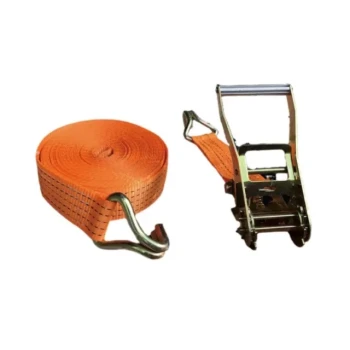
- Heavy Duty Ratchet Hive Strap
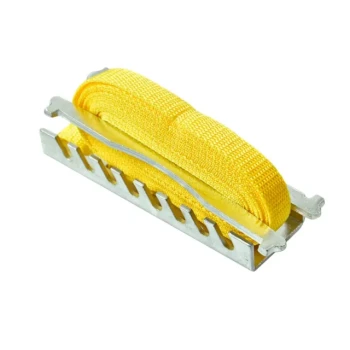
- HONESTBEE Professional Frame Wiring Board and Jig
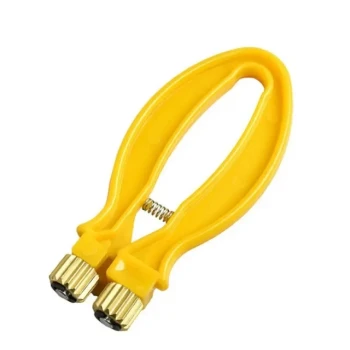
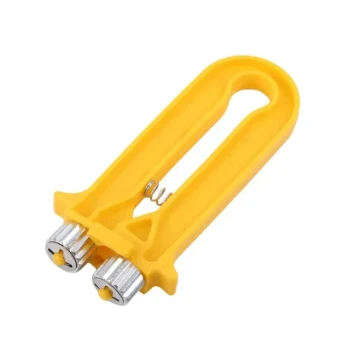
- HonestBee Ergonomic Frame Wire Crimper with Plastic Handles and Metal Gears Choice
People Also Ask
- What are the arguments for and against wiring beehive frames? Balance Durability and Management Flexibility
- What are the drawbacks of wiring beehive frames? Key Limitations and Structural Trade-offs Revealed
- How is the wire secured at the top of the frame? A Guide to Locking in Tension for Strong Honeycomb
- What factors determine the amount of wiring needed in beehive frames? Tailor Your Strategy for Your Climate
- What tools are needed to wire a beehive frame? Essential Equipment for Durable Frame Construction