For personal safety in beekeeping, the use of specialized protective wear is crucial to minimize the risk of stings. At a minimum, you must wear a hat and veil combination to protect your face and eyes. For body protection, the standard recommendation is either a full beekeeping suit for total coverage or a beekeeping jacket paired with loose-fitting pants, such as jeans or cotton scrubs.
Core Takeaway While the level of coverage is a personal preference, effective protection relies on a "loose but sealed" fit. A veil is the non-negotiable minimum, while suits and jackets offer varying degrees of confidence and coverage for the rest of the body.
The Hierarchy of Protection
The Essential Minimum
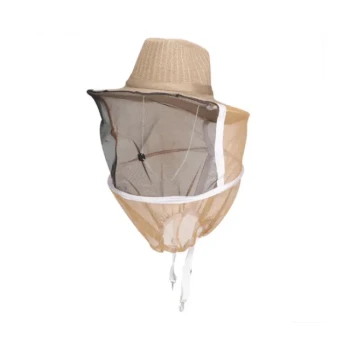
The face and eyes are the most vulnerable areas. Consequently, a hat and veil combination is the absolute baseline requirement for any beekeeper. This setup is the least cumbersome way to ensure safety while working near a hive.
Full Body Coverage
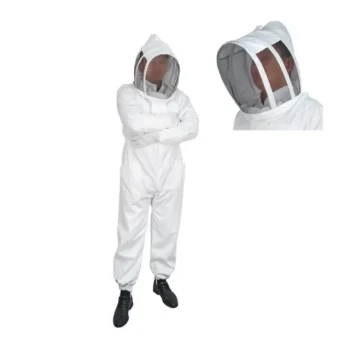
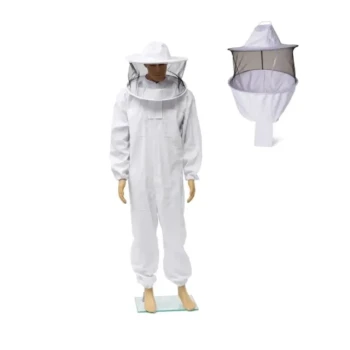
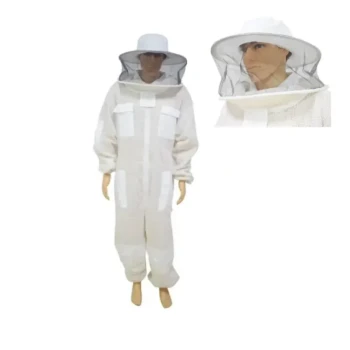
For the most extensive protection, a full beekeeping suit is recommended. These one-piece garments provide coverage from head to toe, featuring long sleeves, legs, and an integrated hat and veil. This creates a continuous barrier against bees.
The Jacket Alternative
If a full suit feels too restrictive, a beekeeping jacket is a viable alternative. This protects the upper body and head but leaves the legs exposed. It must be paired with thick, loose-fitting pants—such as denim jeans or cotton scrubs—to ensure the lower body remains protected.
The Importance of Fit and Material
Why Loose Fits are Safer
Protective clothing should always be worn with a loose fit. If the fabric is tight against your skin, a stinger can easily penetrate through to your body. A looser fit creates a gap between the fabric and your skin, rendering stings harmless.
Sizing Considerations
To achieve this necessary gap, it is often recommended to choose a size larger than what you normally wear. However, the gear should not be so baggy that it becomes a tripping hazard.
Preventing Entry Points
While the fit should be loose, the openings must be secure. Ensure there are no gaps at the elastic cuffs or waistbands where bees could crawl inside.
Hand Protection
Heavy-Duty Options
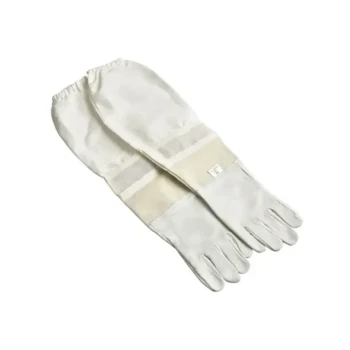
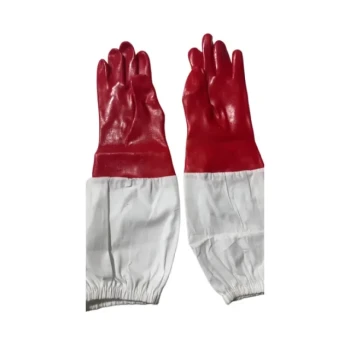
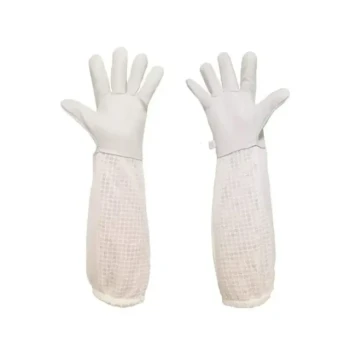
Beginners often feel more confident wearing canvas or leather gloves. These provide significant protection against stings, helping to alleviate apprehension during early hive inspections.
High-Dexterity Options
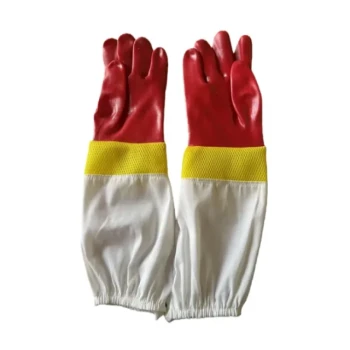
Experienced beekeepers may find thick gloves cumbersome. Form-fitting gloves, such as nitrile or those used for household chores, are a popular alternative. They offer less sting protection but provide better dexterity and keep hands clean from propolis and honey.
Common Pitfalls to Avoid
The Trap of Tight Clothing
Avoid wearing tight clothing under your gear or choosing a suit that fits snugly. Tight fabric restricts movement, increases body heat, and allows stingers to reach your skin.
Compromising Dexterity
While thick leather gloves offer maximum safety, they reduce tactile sensitivity. This lack of feeling can lead to clumsy handling, potentially agitating the colony or crushing bees accidentally.
Ignoring Post-Inspection Safety
Removing gear requires caution. Always check zippers and fabric folds for stray bees before removing your suit or veil. Failing to do so is a common cause of stings after the work is finished.
Making the Right Choice for Your Goal
Select your gear based on your experience level and comfort with risk.
- If your primary focus is maximum safety: Choose a full beekeeping suit paired with leather gloves to ensure total body coverage and minimize sting anxiety.
- If your primary focus is mobility and comfort: Opt for a beekeeping jacket with loose jeans and nitrile gloves to improve dexterity and airflow while keeping your vital areas protected.
The best protective gear is the one that fits properly and gives you the confidence to work calmly with your bees.
Summary Table:
| Protective Gear Item | Coverage Level | Best For | Key Advantage |
|---|---|---|---|
| Hat & Veil | Head & Face | All Beekeepers | Essential minimum; protects eyes and face. |
| Full Bee Suit | Head to Toe | Beginners / High-risk hives | Maximum security; one-piece total barrier. |
| Bee Jacket | Upper Body | Experienced beekeepers | Better airflow and easier to put on/take off. |
| Leather Gloves | Hands & Wrists | New beekeepers | High sting protection and confidence boost. |
| Nitrile Gloves | Hands | Precision tasks | High dexterity; keeps hands clean from propolis. |
Elevate Your Apiary's Safety with HONESTBEE
At HONESTBEE, we understand that the right gear is the foundation of a successful beekeeping operation. We provide commercial apiaries and distributors with a comprehensive range of high-quality beekeeping tools, machinery, and protective equipment designed for durability and comfort.
Whether you need to stock up on professional-grade suits or are looking for specialized hardware like hive-making and honey-filling machines, our wholesale portfolio has you covered. Partner with us to provide your customers with the best in beekeeping safety and industry consumables.
Ready to scale your business? Contact us today to discuss wholesale opportunities!
Related Products
- Beekeeper Cowboy Hat and Veil for Beekeeping
- Premium Cowboy Beekeeper Hat with Visibility Veil Outdoor Professional Beekeeping Protective Gear
- White Cotton Beekeeping Jacket and Veil for Bee Keepers
- Premium Cotton Beekeeper Suit with Reinforced Fencing Veil
- Beekeeping Gloves Goatskin Leather with Long Cotton Sleeve for Beekeepers
People Also Ask
- What is the correct way to wash a beekeeping hat and veil? Safe Hand-Washing Guide to Protect Your Gear
- What are the components and importance of a beekeeper's hat and veil? Essential Safety Gear for Apiary Success
- What are the differences between a separated and an attached beekeeping hat and veil? Security vs. Versatility
- What are the design specifications for an effective beekeeping hat and veil? Professional Standards for Protection
- What is the function of a beekeeping hat and veil? Essential Protection for Safe Hive Management