Storing honey in improper vessels creates immediate chemical and sensory risks due to honey's highly active nature. When kept in lacquered, corroded, or paraffin-lined containers, honey absorbs organic contaminants and metal ions through diffusion. This interaction compromises the flavor profile and introduces exogenous chemicals that render the product impure and potentially unsafe.
Honey is a chemically active substance, not a passive liquid. Because it aggressively interacts with contact surfaces, using anything other than food-safety-certified drums or stainless steel tanks guarantees the leaching of contaminants and the degradation of product quality.
The Science of Material Interaction
Honey is Chemically Active
Honey is often mistaken for an inert fluid, but it is a chemically active and highly absorbent substance. It does not simply sit inside a container; it interacts with the internal surface material on a molecular level.
The Mechanism of Contamination
The primary mechanism for contamination is diffusion. Over time, foreign substances from the container walls migrate directly into the honey, altering its chemical composition permanently.
Specific Risks by Container Type
Lacquered Coatings
Many industrial containers use lacquer linings not designed for long-term contact with active biological substances. Organic components from these lacquer coatings can break down and migrate into the honey.
Corroded Metal Vessels
If a metal container lacks a proper food-grade barrier, or if that barrier is compromised, the honey will react with the metal itself. This reaction releases metal ions into the honey, creating a serious chemical safety risk.
Paraffin-Lined Containers
Low-grade paraffin linings are frequently contaminated with chemical impurities. Because honey is absorbent, these chemical impurities leach out of the lining and become suspended in the food product.
Impact on Quality and Stability
Flavor Profile Degradation
The migration of foreign chemicals does more than pose a health risk; it destroys the sensory experience. Contaminants introduce off-flavors that compromise the purity of the honey's flavor profile.
Oxidation and Spoilage
Improper materials, particularly reactive metals and non-food grade plastics, accelerate chemical instability. These materials can cause the honey to oxidize, leading to darkened color and spoiled flavor.
Common Pitfalls to Avoid
The Illusion of "sealed"
A container that creates a physical seal is not necessarily a chemical safe haven. Users often mistake a watertight vessel for a food-safe one, ignoring the chemical compatibility required for honey.
Ignoring Micro-Abrasions
Even "safe" linings can become dangerous if scratched or worn. A corroded spot in a drum or a crack in a lacquer coating provides a direct pathway for heavy metal migration, rendering the entire batch unsafe.
Ensuring Purity and Safety
To maintain the integrity of your product, you must view storage not just as warehousing, but as a critical processing condition.
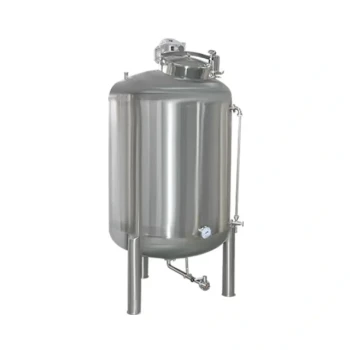
- If your primary focus is Flavor Purity: Use large-scale stainless steel tanks, as they offer the highest chemical inertness and prevent flavor transfer.
- If your primary focus is Bulk Transport: Utilize only food-safety-certified storage drums that are explicitly rated for chemically active food products to prevent diffusion.
Invest in professional-grade containment to ensure the honey you bottle is chemically identical to the honey you harvested.
Summary Table:
| Container Type | Primary Contaminant | Impact on Honey Quality |
|---|---|---|
| Lacquered Coatings | Organic chemicals & lacquer components | Breakdown of purity; migration of foreign organics |
| Corroded Metal | Metal ions & heavy metals | High chemical safety risk; oxidation and darkening |
| Paraffin-Lined | Chemical impurities & paraffin residue | Off-flavors; introduction of suspended impurities |
| Non-Food Plastics | Synthetic chemicals & plasticizers | Chemical instability; flavor profile degradation |
Secure Your Honey Purity with HONESTBEE Professional Solutions
Protect your harvest from chemical degradation and ensure market-leading quality. HONESTBEE specializes in supporting commercial apiaries and distributors with premium, food-safety-certified storage and processing equipment. From high-grade stainless steel tanks that preserve flavor purity to industrial honey-filling and hive-making machinery, we provide the full spectrum of tools needed to scale your operations safely.
Don't let improper storage compromise your brand's reputation. Partner with us for professional-grade beekeeping hardware and essential industry consumables designed for bulk excellence.
Contact HONESTBEE Experts Today to Upgrade Your Storage
References
- Mirjana Bojanić Rašović. IMPORTANCE OF CONTROLLING THE HYGIENIC CORRECTNESS OF HONEY AND OTHER BEE PRODUCTS IN MONTENEGRO. DOI: 10.17707/agricultforest.68.3.02
This article is also based on technical information from HonestBee Knowledge Base .
Related Products
- Stainless Steel Honey Storage Tank with Lid for Honey
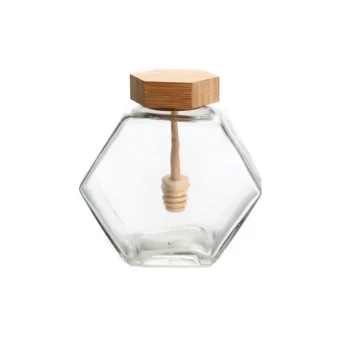
- Hexagonal Glass Honey Jar with Wooden Lid Integrated Dipper Elegant Functional Storage
- Stainless Steel Honey Storage and Settling Tank with Double Strainer
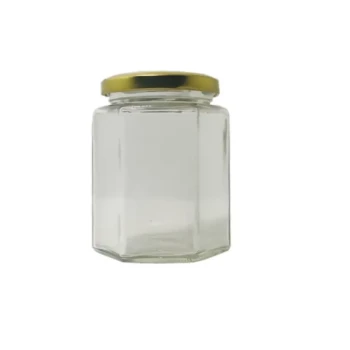
- Hexagonal Glass Honey Jars with Metal Lug Caps Elegant Versatile Packaging
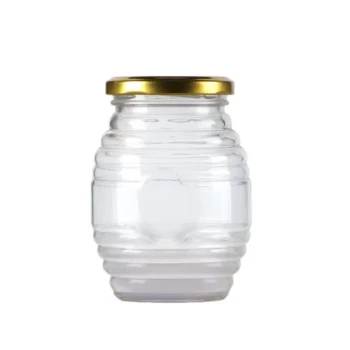
- Classic Glass Honey Jar with Metal Lug Cap for Beehive Storage
People Also Ask
- What economic role do honey storage tanks play? Boost Your Revenue Through Strategic Inventory Management
- What roles do industrial honey storage tanks and filtration meshes play in processing? Ensure Purity & Consistency
- What is the purpose of a honey storage tank? Streamline Your Honey Processing for Quality & Efficiency
- What are honey storage tanks used for? Essential Features for Quality Preservation and Profit
- How do large honey storage tanks and gravity fall filling systems improve honey packaging efficiency and safety?