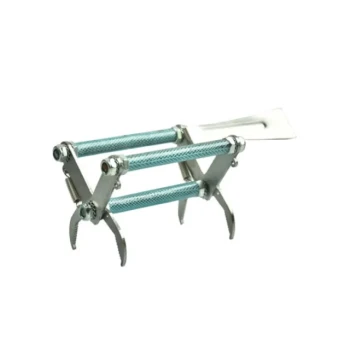
Apiary management equipment and transport tools serve as critical physical vectors in the long-distance transmission of Paenibacillus larvae. Specifically, transport vehicles and the racks used to stack beehives function as "intermediate hubs," harboring pathogens and facilitating their spread across regions during migratory beekeeping operations and colony trade.
The Core Insight While infected bees are the primary host, the physical infrastructure of the bee trade—trucks, racks, and tools—often acts as the silent carrier that bridges geographical gaps. Controlling the disease requires treating these inanimate objects with the same biosecurity rigor applied to the colonies themselves.
The Mechanics of Cross-Regional Spread
The Role of Migratory Beekeeping
Epidemiological evidence links the long-distance transmission of Paenibacillus larvae directly to the logistics of migratory beekeeping and the commercial trade of bee colonies.
As beekeepers move operations to follow bloom cycles or fulfill pollination contracts, the equipment moves with them. This mobility transforms a localized infection risk into a potential cross-regional epidemic.
Equipment as "Intermediate Hubs"
The pathogen does not rely solely on bee-to-bee contact to travel. Transport vehicles and the racks used to carry beehives act as intermediate hubs for the bacteria.
These tools often come into contact with multiple colonies or apiaries. If not properly sanitized, they become persistent carriers, depositing the pathogen in new environments hundreds of miles from the original source of infection.
Understanding the Operational Trade-offs
Mobility vs. Biosecurity
The primary challenge revealed by the evidence is the tension between operational efficiency and disease control.
Migratory beekeeping relies on speed and the frequent movement of large numbers of hives. However, the physical tools that make this efficiency possible—the trucks and racking systems—are the very links that compromise biosecurity.
The Cost of Neglect
Ignoring the sanitation of transport tools creates a "blind spot" in disease management.
Focusing solely on the health of the bees while neglecting the hygiene of the management and transport tools renders other preventive measures ineffective. A healthy colony placed on a contaminated transport rack is immediately at risk.
Strengthening Biosecurity Protocols
To mitigate the risk of spreading Paenibacillus larvae, producers and regulators must shift focus from solely managing livestock to managing the entire logistical chain.
- If your primary focus is Regulatory Control: Implement strict movement regulations that mandate the inspection and sanitation of transport vehicles before they cross regional borders.
- If your primary focus is Apiary Management: Establish rigorous epidemic prevention inspections for all physical management tools, specifically checking hive racks and vehicles for contamination.
Biosecurity is not just about the bees; it is about sterilizing the infrastructure that moves them.
Summary Table:
| Transmission Factor | Role in Disease Spread | Mitigation Strategy |
|---|---|---|
| Transport Vehicles | Act as "intermediate hubs" for long-distance pathogen travel. | Mandatory vehicle sanitation before regional crossing. |
| Hive Racks | Harbors spores through contact with multiple colonies. | Regular sterilization and epidemic prevention inspections. |
| Migratory Logistics | Bridges geographical gaps during bloom cycle movements. | Implementing strict movement regulations and hive tracking. |
| Beekeeping Tools | Silent carriers that facilitate localized cross-contamination. | Rigorous cleaning protocols for all physical infrastructure. |
Protect Your Apiary Operations with HONESTBEE Professional Solutions
Preventing the spread of Paenibacillus larvae requires more than just colony care; it demands high-quality, easy-to-sanitize infrastructure. At HONESTBEE, we specialize in supporting commercial apiaries and distributors with a comprehensive range of professional beekeeping tools, hive-making machinery, and honey-processing equipment designed for durability and hygiene.
Whether you are scaling your wholesale distribution or managing a large-scale migratory operation, our portfolio—from specialized hardware to essential industry consumables—provides the reliability you need to maintain biosecurity across your entire logistical chain.
Secure your business and protect your colonies today. Contact our expert team at HONESTBEE to learn how our equipment solutions can enhance your operational safety and efficiency.
References
- Alenka Žugelj, Darja Kušar. ERIC and WGS Typing of Paenibacillus larvae in Slovenia: Investigation of ERIC I Outbreaks. DOI: 10.3390/insects12040362
This article is also based on technical information from HonestBee Knowledge Base .
Related Products
- Professional 600D Oxford Cloth Beekeeping Tool Bag with 8 Pockets and Elastic Loops
- Professional Grade Foldable Beehive Handles
- Durable Galvanized Steel Frame Grip
- HONESTBEE 15-in-1 Beekeeper Multi-Tool with Hammer and Pliers for Beekeeping
- Yellow Plastic Bucket Pail Perch for Beekeeping
People Also Ask
- What is the recommended method for storing beekeeping tools? Expert Vertical Storage Solutions for Your Apiary
- Why is the treatment of beekeeping tools with high-concentration chemical disinfectants necessary for preventing AFB?
- How does a favorable microclimate interact with beekeeping tools? Boost Overwintering Success and Equipment Longevity
- What essential beekeeping tools are needed besides the hive? Must-Have Gear for Every Apiary
- Proper Beekeeping Tools and Regular Hive Maintenance: How to Mitigate Pest Infestations and Colony Instability?