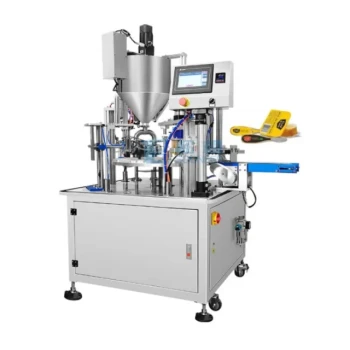
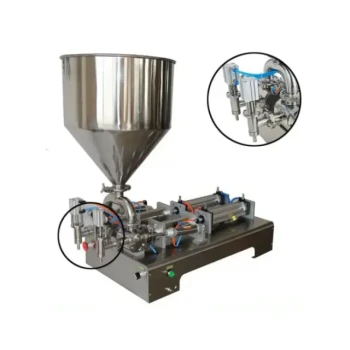
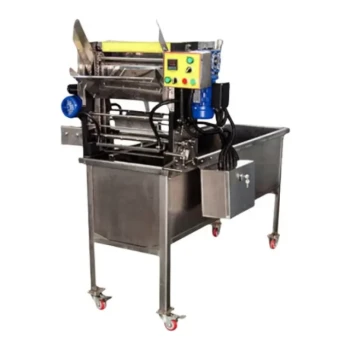
Automatic honey-filling machines are the technological pivot point that transforms raw agricultural honey into a standardized, commercial commodity. By utilizing high-precision quantitative control systems within a fully enclosed environment, these machines ensure consistent net content for every bottle while virtually eliminating human contact and environmental contamination.
Core Takeaway Automatic filling systems are not just about speed; they are essential for standardization and hygiene. They bridge the gap between bulk production and high-value retail markets by ensuring precise dosing, minimizing waste, and maintaining a closed-loop system that preserves the product's biological integrity and sensory consistency.
Elevating Hygiene and Safety Standards
The Closed-Loop Advantage
The primary role of these machines is to maintain a fully enclosed processing environment. Unlike manual methods, automatic fillers isolate the honey from the open air.
This isolation prevents secondary contamination from dust, airborne particulates, or foreign pollen. It ensures the final product remains as pure as it was during filtration.
Minimizing Human Contact
Human handling is the largest variable in food safety. Automatic machines replace manual scooping or pouring with mechanized precision.
By removing direct human interaction, you significantly reduce the introduction of pathogens. This allows the product to meet strict hygiene standards required for certification and retail distribution.
Preserving Product Integrity
Advanced filling machines often incorporate temperature controls and specific sealing technologies. This helps preserve the physicochemical properties of the honey.
By controlling the filling environment, the machine protects the honey’s unique flavor profile and nutritional value from degradation during the packaging phase.
Precision and Economic Efficiency
Exact Quantitative Control
A critical function of these machines is dosing accuracy. They utilize piston-style or weighing-based systems to ensure the net content of every jar matches the label exactly.
This consistency is vital for regulatory compliance. It ensures consumers receive exactly what they pay for, protecting your brand from legal or reputational disputes regarding short-filling.
Reducing Material Waste
Manual filling often leads to drips, spills, and overfilling. Automatic machines are equipped with no-drip nozzles and precise cut-off mechanisms.
This significantly minimizes raw material loss. Over thousands of units, reducing waste by even a small percentage translates into substantial cost savings.
Enabling Market Transformation
From Bulk to Brand
These machines facilitate the transition from selling bulk wholesale honey to offering differentiated retail products.
Reliable packaging allows producers to apply consistent branding and labeling. This consistency is a prerequisite for entering higher-value consumer markets and shelf placement in supermarkets.
Traceability and Authenticity
A sophisticated filling line supports a reliable traceability system. By creating a closed loop from the hive to the bottle, the system protects the honey's "pollen fingerprint."
This ensures the bottled product matches the original apiary samples. It defends against accusations of adulteration (such as adding syrups) and proves the authenticity of the product origin.
Understanding the Trade-offs
High Initial Capital Expenditure
Implementing a fully automatic line requires significant upfront investment. For small-scale apiaries, the cost of the machinery may outweigh the efficiency gains unless production volume is sufficiently high.
Technical Maintenance Requirements
These are precision instruments, not simple mechanical tools. They require regular calibration, cleaning, and technical maintenance to function correctly.
If your facility lacks staff with technical training, a breakdown in the filling unit can halt the entire production line, creating a single point of failure.
Flexibility Limitations
Highly automated machines are optimized for specific bottle shapes and viscosities. Switching between different container sizes or honey types (e.g., liquid vs. creamed) often requires downtime for re-tooling and adjustment.
Making the Right Choice for Your Goal
To maximize the value of an automatic honey-filling machine, align the technology with your specific business objective:
- If your primary focus is Market Expansion: Prioritize machines with advanced hygiene controls and closed-loop systems to meet strict retail certifications and organic standards.
- If your primary focus is Cost Reduction: Focus on high-precision dosing and no-drip technology to eliminate material waste and prevent "giveaway" (overfilling).
Ultimately, the automatic filling machine is the gatekeeper of quality, converting a variable natural resource into a trusted, professional consumer product.
Summary Table:
| Key Role | Primary Benefit | Technical Mechanism |
|---|---|---|
| Hygiene Control | Eliminates secondary contamination | Closed-loop system & minimal human contact |
| Dosing Precision | Ensures regulatory compliance | High-precision piston or weighing systems |
| Waste Reduction | Increases profit margins | Anti-drip nozzles and precise cut-off valves |
| Market Readiness | Facilitates retail branding | Standardized packaging for supermarket entry |
| Product Integrity | Protects flavor and nutrients | Controlled filling environment & temperature management |
Scale Your Honey Production with HONESTBEE
Transitioning from bulk production to a premium retail brand requires the right technology. HONESTBEE specializes in supporting commercial apiaries and distributors with high-performance honey-filling machines, specialized hive-making hardware, and a complete range of beekeeping tools.
Our equipment ensures your honey products meet the highest standards of hygiene and precision, helping you minimize waste and maximize market value. Whether you need heavy machinery or essential consumables, we provide the wholesale solutions your business needs to grow.
Ready to elevate your honey processing efficiency?
Contact our experts today to find the perfect equipment for your facility!
References
- Erik Stange, Megan Nowell. Ecosystem services mapping for municipal policy: ESTIMAP and zoning for urban beekeeping. DOI: 10.3897/oneeco.2.e14014
This article is also based on technical information from HonestBee Knowledge Base .
Related Products
- Fully Automatic Honey Filling Packaging Machine for Processing Line
- Automatic Honey Filling and Filtering Machine for Beekeeping Bottle Filling
- Precision Durable Efficient HONESTBEE Rotary Honey Filling Machine
- Automatic Single-Dose Snap & Squeeze Honey Sachets Packing Machine
- Semi Automatic Small Honey Bottle Filling Machine Honey Filler
People Also Ask
- Why are fully automatic honey filling and packaging lines essential? Boost Your Honey's Market Value and Quality
- What is a fully-automatic honey filler? Streamline Your Production with High-Precision Automation
- How do automated honey filling and packaging machines affect profitability? Boost Margins with HONESTBEE Technology
- How do automated honey filling and packaging machines contribute to the market value of honey products? Maximize Your ROI
- How do industrial-grade automated honey filling and packaging machines mitigate the risk of physical contamination?