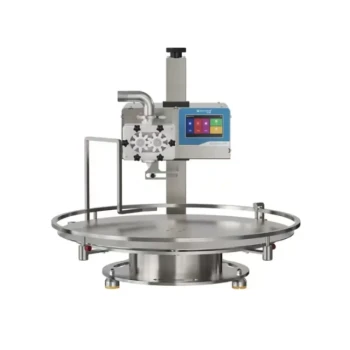
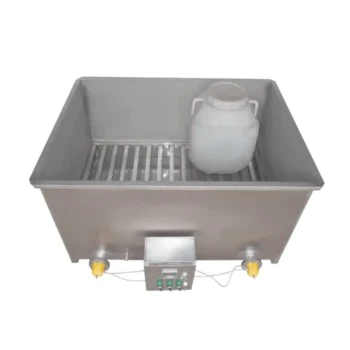
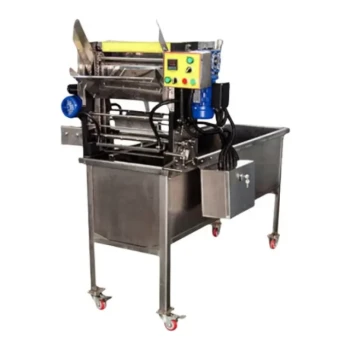
Commercial filling and packaging machinery act as the critical infrastructure required to transition urban beekeeping from a hobbyist activity to a viable industrial operation. By providing a technical foundation that ensures strict hygiene standards and precise quantitative filling, these systems enable small-scale apiaries to achieve the product marketability and consistency necessary for commercial success.
Core Insight Manual processing limits beekeepers to raw material production, often capping their economic potential. Industrial machinery unlocks value by transforming bulk honey into standardized, shelf-ready commodities, creating the revenue streams necessary to sustain both the business and the ecological conservation efforts associated with it.
Transforming Raw Material into Marketable Commodities
Establishing Product Consistency
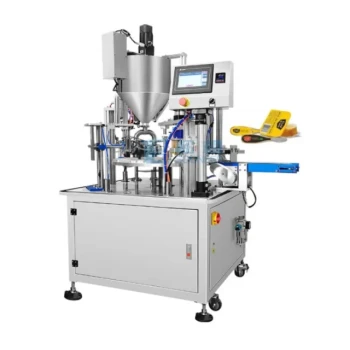
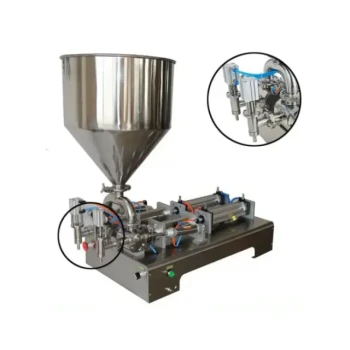
For honey to be sold in commercial retail environments, it must meet rigorous specifications. Industrial filling machines utilize high-precision quantitative controls to ensure every unit contains the exact same volume of product.
This consistency creates a standardized product profile that manual filling cannot achieve. It allows producers to move away from selling honey by weight in informal settings to selling standardized units suitable for supermarket shelves and international export.
Elevating Brand Value
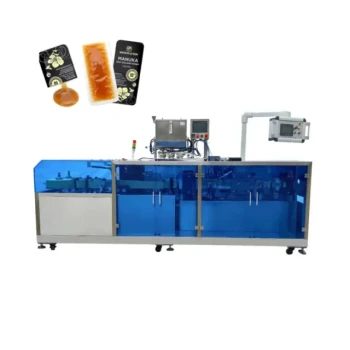
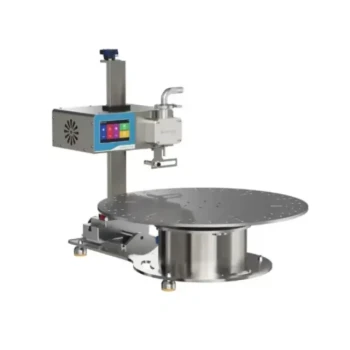
The transition from primitive operations to brand-driven marketing relies heavily on packaging quality. Automated sealing and labeling workflows allow producers to present a professional image that competes with established major brands.
By stabilizing the product presentation, machinery enhances the commercial value of the honey. This empowers beekeepers to target premium markets and high-end sales channels rather than relying on low-margin bulk sales.
Operational Efficiency and Quality Control
Mitigating Contamination Risks
One of the primary barriers to scaling honey production is food safety. Manual handling increases the risk of introducing foreign debris or bacteria into the final product.
Industrial-grade machinery employs standardized filtration and sterile processing workflows. This effectively removes impurities and significantly reduces the risk of secondary contamination, ensuring the product meets the strict hygiene certifications required by regulators.
Extending Shelf Life
Professional processing does more than just fill jars; it preserves the product. Through proper sealing and sterilization techniques, machinery helps extend the shelf life of honey products.
This longevity is essential for distribution logistics. It mitigates market risk by allowing producers to store inventory longer and ship products over greater distances without spoilage.
The Link Between Processing and Ecological Sustainability
Financing Pollination Services
There is a direct economic link between efficient honey processing and the health of pollinator populations. Keeping bees for pollination services requires significant management investment.
By using machinery to increase the "added value" of honey products, beekeepers generate the revenue needed to subsidize these management costs. Efficient processing turns honey into a high-margin asset that funds the maintenance of the hives.
Enabling a Dual-Revenue Model
Industrialization creates a sustainable business model based on two income streams: pollination service fees and value-added product sales.
Automated processing lines, specifically those capable of deep processing honey byproducts, maximize the revenue from the product side. This financial stability incentivizes beekeepers to expand their scale, directly supporting the density of pollinators required for urban ecology and agriculture.
Understanding the Trade-offs
Capital Expenditure vs. Production Volume
While industrial machinery increases efficiency, it requires a significant upfront capital investment. For operations that have not yet secured a consistent, high-volume supply of raw honey, this equipment can become a financial burden rather than an asset.
Complexity of Maintenance
Transitioning to industrial machinery changes the nature of the work. The focus shifts from pure apiary management to technical equipment maintenance. Operators must possess the skills to clean, calibrate, and troubleshoot complex automated lines to prevent costly downtime.
Making the Right Choice for Your Goal
The decision to integrate industrial machinery depends entirely on the current stage and future trajectory of your beekeeping operation.
- If your primary focus is entering retail markets: Prioritize machinery that offers high-precision dosing and sterile sealing to meet strict regulatory and labeling standards.
- If your primary focus is maximizing profit margins: Invest in equipment capable of deep processing byproducts to unlock the dual-revenue potential of your harvest.
- If your primary focus is scaling production volume: Look for automated lines that emphasize speed and labor reduction to lower your cost-per-unit.
By automating the link between the hive and the marketplace, you do not just sell honey; you secure the economic future of your apiary and the environment it supports.
Summary Table:
| Key Role | Primary Benefit | Industrial Impact |
|---|---|---|
| Quantitative Filling | High-precision volume control | Ensures retail-ready product consistency |
| Automated Sealing | Sterile processing & sealing | Extends shelf life and reduces contamination |
| Professional Packaging | Professional branding & labeling | Increases market value and brand trust |
| Efficiency Scaling | Reduced labor & high speed | Lowers cost-per-unit for large-scale distribution |
| Revenue Optimization | Dual-revenue model support | Funds pollination services and ecological conservation |
Scale Your Honey Production with HONESTBEE
Transitioning from manual filling to industrial automation is the definitive step toward commercial success. At HONESTBEE, we specialize in empowering commercial apiaries and distributors with the infrastructure needed to dominate the market.
Our comprehensive wholesale range includes:
- High-Precision Honey-Filling Machines for consistent dosing.
- Industrial Packaging & Labeling Equipment to elevate your brand value.
- Full-Scale Hive-Making Machinery for operational expansion.
- Honey-Themed Cultural Merchandise to diversify your revenue streams.
Ready to transform your bulk honey into high-margin, shelf-ready commodities? Contact us today to explore our tailored equipment solutions and secure the economic future of your apiary.
References
- Letícia Vanessa Graf, Rodrigo Barbosa Gonçalves. Ecological impact and population status of non-native bees in a Brazilian urban environment. DOI: 10.1590/1806-9665-rbent-2020-0006
This article is also based on technical information from HonestBee Knowledge Base .
Related Products
- Precision Automated Packaging Turntable Honey Spoon Filling Sealing Packing Machine
- Economy Small Honey Filling Machine Honey Bottle Filler Packaging Machine
- Fully Automatic Honey Filling Packaging Machine for Processing Line
- Double Nozzle Small Honey Filling Machine Honey Sachet Packing Packaging Equipment
- Small Honey Filling Machine Sachet Packing Equipment Single Nozzle
People Also Ask
- Why is the use of professional filling and sealing packaging machinery necessary for the production of high-value honey?
- What role do automated filling and packaging machines play in the honey supply chain? Scale Your Retail Distribution
- What are the benefits of automated honey filling and packaging? Scale Your Apiary with Industrial Precision
- What role do professional automated filling and packaging machines play in honey processing? Boost Efficiency & Value
- How do automated honey filling and packaging machines contribute to the market value of honey products? Maximize Your ROI