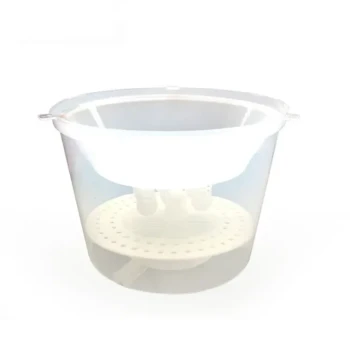
Hive beetle repellents act as a primary preventive barrier in apiary management. Specifically using agents like essential oil mixtures, these repellents are designed to deter beetles from entering the hive structure in the first place. By establishing this chemical boundary, they significantly reduce the defensive burden on the colony and help maintain a secure, beetle-free environment.
Repellents function effectively as a prophylactic measure, reinforcing the colony's defenses before an infestation can take root. However, they provide the highest level of protection when used in conjunction with physical traps and structural barriers.
The Strategy of Deterrence
Creating a hostile boundary
The primary function of essential oil repellents is avoidance.
Rather than waiting to trap beetles inside, these mixtures discourage them from crossing the hive entrance. This keeps the internal population of pests low, protecting resources like pollen and honey.
Layering defenses with traps
Repellents are rarely a "silver bullet" solution on their own.
They are most effective when paired with physical traps. While the repellent discourages entry, the traps capture those beetles that manage to bypass the scent barrier, ensuring a comprehensive defense system.
Supporting Infrastructure and Hive Health
The role of physical elevation
While repellents address the chemical aspect of defense, the physical setup of the apiary is equally critical.
Using hive stands to elevate wooden hives cuts off direct pathways for crawling pests. This physical separation complements the work of chemical repellents by reducing the number of pests that can easily access the entrance.
Environmental control and ventilation
A healthy hive is better equipped to defend itself against beetles.
Elevated stands improve bottom ventilation, which is crucial for regulating temperature and humidity. Proper airflow prevents ground moisture from rotting the hive bottom, extending the equipment's service life and ensuring the quality of the honey remains uncompromised.
Understanding the Limitations
Repellents are not insecticides
It is important to distinguish between repelling a pest and eliminating it.
Essential oils generally deter movement rather than killing the beetle. If an infestation is already established inside the hive, a repellent at the entrance will do little to solve the internal problem.
Maintenance requirements
Chemical barriers are volatile and temporary.
Unlike a physical hive stand, which provides passive, long-term protection against rot and crawling pests, essential oil mixtures evaporate. They require regular re-application to remain effective as a deterrent.
Optimizing Your Defense Strategy
To maintain a healthy apiary, you must balance chemical deterrence with physical exclusion.
- If your primary focus is preventing infestation: Combine essential oil repellents with internal traps to create a multi-layered security system that filters pests at the entrance and catches stragglers inside.
- If your primary focus is equipment longevity and honey quality: Prioritize high-quality hive stands to improve ventilation, reduce moisture rot, and physically block crawling pests from the ground.
Effective apiary maintenance relies on the synergy between active repellents and passive structural defenses.
Summary Table:
| Defense Layer | Method | Primary Benefit | Maintenance Frequency |
|---|---|---|---|
| Chemical Barrier | Essential Oil Repellents | Deters entry and reduces pest pressure | High (Regular re-application) |
| Physical Barrier | Hive Stands & Elevation | Blocks crawling pests and prevents rot | Low (Long-term durability) |
| Active Capture | Internal Physical Traps | Eliminates beetles that bypass barriers | Medium (Periodic cleaning) |
| Structural Support | Ventilation & Airflow | Regulates humidity and preserves honey quality | N/A (Passive design) |
Elevate Your Beekeeping Operation with HONESTBEE
Protecting your commercial apiary requires more than just repellents—it demands professional-grade infrastructure and specialized equipment. As a leading global supplier for commercial apiaries and distributors, HONESTBEE provides the full spectrum of wholesale solutions to secure your honey production and equipment longevity.
From high-durability hive-making machinery to advanced honey-filling systems and essential beekeeping tools, we offer everything you need to build a resilient business. Whether you are stocking essential consumables or scaling your processing capabilities, our expertise ensures your success.
Ready to scale your production? Contact us today to explore our comprehensive wholesale catalog and discover how HONESTBEE can optimize your apiary’s efficiency.
Related Products
- Removable Washable Hive Beetle Trap Attractants for Small Hive Beetles
- Black Plastic Beetle Barn Hive Beetle Trap for Beehives
- Plastic Beetle Blaster Trap Beekeeping Tools and Supplies
- Reusable Aluminium Beetle Trap for Small Hive Beetles Silver Bullet
- Reusable Clear Small Hive Beetle Traps for Beehives Beetle Trapping Tools
People Also Ask
- How should powdered substances be used in beetle traps for hive beetle control? Expert Guide for Maximum Colony Protection
- What are the three main types of hive beetle traps? Expert Solutions for Protecting Your Bee Colonies
- What are the types of hive beetle traps available? Master Your Beetle Control Strategy
- What are the main types of hive beetle traps available? A Beekeeper's Guide to Effective Control
- What are the available chemical-free options for trapping hive beetles? Safe and Effective Pest Management Solutions