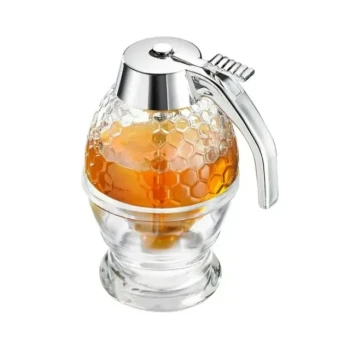
Industrial-grade sprayers and atomizers function primarily as external market disruptors within the beekeeping economy, rather than operational tools for the apiary itself. While these devices are designed for agricultural plant protection, the pesticides they distribute impair honeybee foraging efficiency. This biological impact creates a ripple effect: reduced colony productivity leads to a scarcity of honey volume, which technically drives market prices upward.
The economic role of industrial sprayers in beekeeping is characterized by an inverse relationship. While they are essential for crop protection, their usage inadvertently constricts honey supply by lowering bee productivity, thereby acting as a catalyst for increased honey market valuations.
The Mechanism of Supply Constriction
Agricultural Intent vs. Apicultural Impact
Industrial sprayers and atomizers are engineered to maximize agricultural crop yields through efficient pesticide application. They are not inherent to the beekeeping process itself.
However, their operation creates an environmental challenge for apiaries. The chemicals distributed by these machines negatively affect the biological performance of foraging bees.
Reduction in Foraging Efficiency
The primary reference indicates that exposure to pesticides distributed by these atomizers hampers the foraging capabilities of honeybee colonies.
When foragers are compromised, the hive brings in fewer resources. This directly translates to a lower volume of honey produced per hive during the season.
The Price-Volume Dynamic
This reduction in volume serves as a critical economic lever. As the aggregate supply of honey decreases due to widespread agricultural spraying, the commodity becomes scarcer.
Consequently, this scarcity acts as a technical driver for the market, pushing honey prices higher. The sprayer, therefore, plays a paradoxical role: it damages the production unit (the bee) while inadvertently raising the unit price of the final product.
Understanding the Trade-offs
The Risk of Relying on Scarcity
While higher prices per kilogram of honey might seem beneficial, they are driven by a reduction in total volume. This is a precarious economic position for a beekeeper.
Reliance on market spikes caused by supply constriction is unsustainable. A beekeeper cannot depend on "high prices" to offset "low yield," as the health of the colony—the engine of production—is being degraded by the very factor causing the price hike.
External Forces vs. Internal Control
The use of industrial sprayers is an external variable controlled by the agricultural sector, not the beekeeper. This means a significant portion of the beekeeper's economic reality is dictated by the plant protection strategies of nearby farms.
Counteracting Economic Loss
To mitigate the economic volatility introduced by industrial spraying, beekeeping enterprises must focus on internal variables they can control.
Leveraging Genetics for Resilience
As noted in the supplementary references, the queen bee is the biological core of the colony. Her genetic traits determine the colony's disease resistance and foraging capacity.
Investing in high-quality queens is a defensive economic strategy. Stronger genetics can help a colony withstand or recover faster from the environmental stress caused by agricultural spraying.
The Role of Supplemental Inputs
High-quality supplemental feeding is another critical investment. It ensures survival and rapid buildup during periods of scarcity or stress.
By actively managing colony strength through nutrition and genetics, beekeepers can attempt to maintain high honey yields despite the productivity dampening caused by external pesticide application.
Making the Right Choice for Your Goal
The impact of industrial sprayers creates a complex economic environment where external pressures clash with internal management.
- If your primary focus is Market Analysis: Monitor regional usage of industrial sprayers and pesticide application cycles, as these are leading indicators of potential honey supply shortages and subsequent price increases.
- If your primary focus is Enterprise Profitability: Prioritize investment in superior queen genetics and supplemental feeding to maximize colony strength, ensuring your yields remain high even when environmental factors threaten foraging efficiency.
Success in this landscape requires balancing the inevitable external pressures of modern agriculture with rigorous, proactive colony management.
Summary Table:
| Factor | Impact of Industrial Sprayers | Economic Consequence |
|---|---|---|
| Bee Health | Reduced foraging efficiency & biological stress | Lower colony productivity |
| Honey Supply | Volume constriction due to environmental challenges | Increased commodity scarcity |
| Market Price | Technical driver for higher honey valuations | Increased price per unit |
| Risk Level | High reliance on external agricultural variables | Unstable enterprise profitability |
Secure Your Apiary's Economic Future with HONESTBEE
Don't let external agricultural factors dictate your profitability. HONESTBEE empowers commercial apiaries and distributors with the tools needed to build resilience against environmental disruptions.
We provide a comprehensive wholesale range, including:
- Advanced Machinery: High-precision hive-making and honey-filling machines to optimize your production line.
- Premium Equipment: A full spectrum of professional beekeeping tools designed for durability.
- Essential Consumables: Everything required to maintain colony health and maximize yield despite external pressures.
Whether you are scaling a commercial operation or supplying the industry, our portfolio offers the hardware and expertise to turn market challenges into competitive advantages.
Contact HONESTBEE Today to Enhance Your Operation
References
- Adriano Koshiyama, Wagner de Souza Tassinaria. Spatial Econometrics Applied to Study the Influencing Factors of Honey Prices in Brazil. DOI: 10.4322/bjopm.2011.007
This article is also based on technical information from HonestBee Knowledge Base .
Related Products
- Adjustable Formic and Acetic Acid Dispenser for Bee Mite Treatment
- Compact Circular Bee Mite Treatment Dispenser
- Honeycomb Style Drip Free Honey Dispenser
People Also Ask
- How is the process regulation function of a Formic Acid Dispenser implemented? Achieve Safe, Effective Varroa Control
- Why is a specialized formic acid evaporator necessary? Ensure Safe & Effective Varroa Mite Treatment
- What role do Formic Acid Dispensers play in the biochemical control of Varroa mites? Precision Mite Management
- What is the primary function of a specialized evaporation dispenser? Master Formic Acid Varroa Control
- What is the function of specialized application devices for Varroa? Precision Control for Healthier Bee Colonies