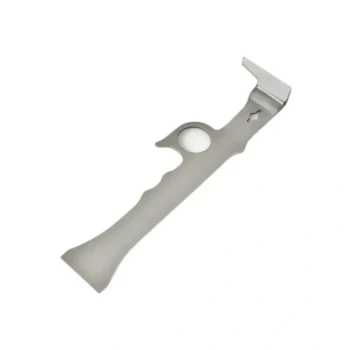
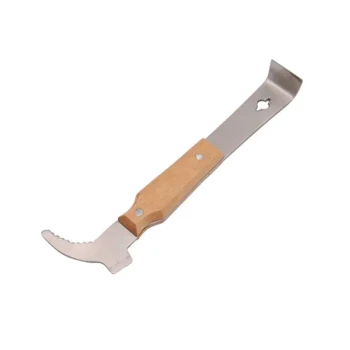
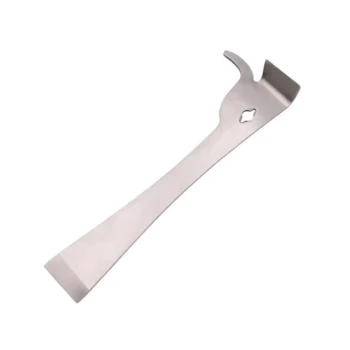
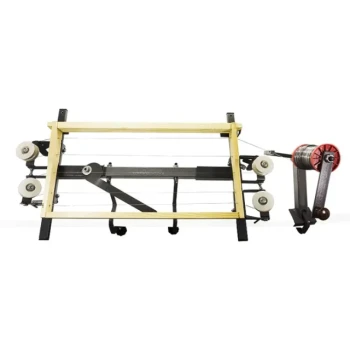
Professional beekeeping consumables and tools serve as the operational backbone for maintaining pollination stability in agricultural fields near forest edges. By utilizing essential equipment such as protective clothing, smokers, and hive tools, farmers can safely perform frequent health inspections, ensuring that managed colonies remain vigorous and active during critical crop flowering periods.
Core Insight: In forest-edge environments, wild pollinator populations often fluctuate due to habitat fragmentation. Professional equipment allows you to maintain managed colonies as a reliable "pollination safeguard," stabilizing crop yields even when natural pollinator activity declines.
Securing Crop Yields Through Colony Management
The primary function of professional beekeeping tools is to convert a volatile biological system into a manageable agricultural asset.
Enabling Frequent Health Inspections
To ensure high pollination efficiency, colonies must be at peak strength when crops flower. Hive tools and smokers are essential for accessing the colony frequently.
They allow beekeepers to open hives and inspect brood health without inciting aggressive defensive behavior. This regular access allows for early detection of issues that could weaken the colony and reduce pollination rates.
Countering Habitat Fragmentation
Fields bordering forests often experience fluctuations in wild pollinator populations caused by habitat fragmentation. You cannot control the density of wild bees.
However, by using professional tools to maintain managed colonies, you create a buffer. This equipment ensures that your introduced pollinators are healthy enough to compensate for any deficits in the wild population.
Protecting Dependent Crops
Certain crops, particularly legumes and fruits found near forest edges, are highly dependent on animal pollination.
For these specific crops, the stability provided by managed hives is not a luxury; it is a necessity. Professional maintenance ensures the colony serves its purpose as a production input rather than just a honey source.
Overcoming Environmental Challenges
Forest edges and high-altitude regions present unique physical challenges that standard agricultural practices may not address.
Worker Safety in Complex Terrain
Forest-edge terrains are often harsh or complex. In these environments, high-strength protective consumables, such as specialized bee suits, are non-negotiable.
They protect workers from bee attacks, which can be more frequent in difficult geographic conditions. This protection allows workers to focus on the quality of their inspection rather than their immediate safety.
Operational Efficiency
The use of proper tools significantly increases operational efficiency. In difficult terrain, wasting time struggling with equipment can lead to neglected hives.
Streamlined tools allow for faster processing of hives, ensuring that all colonies in a large apiary receive the necessary attention during the short windows of favorable weather.
Preventing Contamination
While pollination is the primary goal for the crop, honey is often a secondary product. Professional tools help prevent contamination during extraction.
Using clean, purpose-built equipment ensures that the honey remains a high-quality natural extract, adding a secondary revenue stream to the pollination benefits.
Understanding the Trade-offs
While professional tools are vital, they introduce specific management requirements that must be acknowledged.
Equipment Maintenance Overhead
Tools are vectors for disease if not managed correctly. Hive tools must be sterilized between hives to prevent spreading pathogens.
Reliance on equipment requires a strict sanitation protocol. Failing to clean tools turns them from a safety asset into a biological risk.
The Skill Gap
Possessing professional tools does not guarantee pollination success. Equipment enables management, but it does not replace expertise.
A smoker allows you to open a hive, but it does not tell you if the queen is failing. The tools must be paired with knowledge of bee biology to be effective.
Making the Right Choice for Your Goal
Selecting the right equipment depends on your specific agricultural objectives and environmental context.
- If your primary focus is Pollination Stability: Prioritize inspection tools and smokers to maximize colony health checks during the weeks leading up to the flowering season.
- If your primary focus is Worker Safety in Rough Terrain: Invest heavily in high-strength protective suits to ensure inspections are not skipped due to fear of aggressive colonies or difficult access.
- If your primary focus is Product Quality: Ensure you utilize specialized extraction tools that prevent contamination, preserving the value of the honey harvest.
By integrating professional tools into your workflow, you transform beekeeping from a passive activity into a controlled, reliable driver of agricultural yield.
Summary Table:
| Tool Category | Primary Role in Pollination Efficiency | Key Benefit for Forest-Edge Fields |
|---|---|---|
| Hive Tools & Smokers | Facilitate frequent colony health inspections | Early detection of issues to maintain peak bee population |
| Protective Clothing | Ensures worker safety in complex terrains | Allows focused, high-quality hive management without risk |
| Sanitation Supplies | Prevents cross-contamination between hives | Mitigates disease spread in fragile forest ecosystems |
| Extraction Machinery | Maintains honey purity and quality | Secures secondary revenue without compromising bee health |
Maximize Your Pollination Potential with HONESTBEE
At HONESTBEE, we understand that for commercial apiaries and distributors, high-quality equipment is the difference between a failing crop and a record harvest. We provide a comprehensive wholesale range of beekeeping tools, machinery, and essential consumables—from precision hive-making and honey-filling machines to durable protective gear and honey-themed merchandise.
Whether you are stabilizing pollination for forest-edge fields or scaling a commercial honey operation, our portfolio is designed to enhance your operational efficiency and protect your biological assets.
Ready to elevate your beekeeping standards? Contact us today to explore our wholesale solutions and discover how HONESTBEE can power your apiary's success.
References
- Byela Tibesigwa, Jessica Alvsilver. Naturally available wild pollination services have economic value for nature dependent smallholder crop farms in Tanzania. DOI: 10.1038/s41598-019-39745-7
This article is also based on technical information from HonestBee Knowledge Base .
Related Products
- Professional 600D Oxford Cloth Beekeeping Tool Bag with 8 Pockets and Elastic Loops
- HONESTBEE Professional Mini J-Hook Hive Tool for Beekeeping
- Professional Bee Smoker with Elongated Spout and Durable Bellows for Beekeeping
- Stainless Steel Queen Grafting Tool for Beekeeping and Bee Queen Grafting
- HONESTBEE 15-in-1 Beekeeper Multi-Tool with Hammer and Pliers for Beekeeping
People Also Ask
- What is the recommended method for storing beekeeping tools? Expert Vertical Storage Solutions for Your Apiary
- How does a favorable microclimate interact with beekeeping tools? Boost Overwintering Success and Equipment Longevity
- Why is the treatment of beekeeping tools with high-concentration chemical disinfectants necessary for preventing AFB?
- How does the genetic identification of honeybee populations influence the selection of beekeeping tools? Precision Gear Guide
- Proper Beekeeping Tools and Regular Hive Maintenance: How to Mitigate Pest Infestations and Colony Instability?