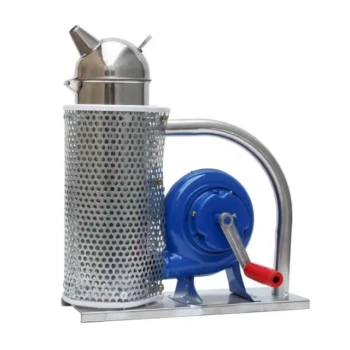
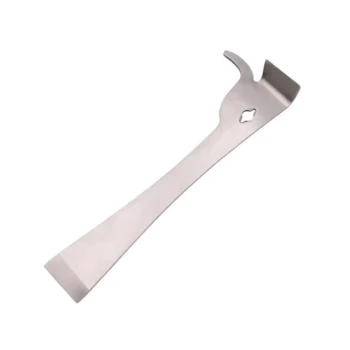
Professional beekeeping management tools serve as the fundamental control mechanism for data integrity in large-scale sampling. These tools, ranging from specialized bee brushes and sampling containers to protective gear, allow technicians to safely locate and collect worker bees from active colonies. By enforcing standardized operational procedures across thousands of colonies, these tools ensure sample representativeness and prevent colony stress that could skew biological data.
Core Takeaway Reliable large-scale sampling is defined by the elimination of variables. Standardized tools and hive structures are essential not just for operational efficiency, but for isolating genetic traits from environmental noise, ensuring that data reflects the true status of the colony rather than its reaction to inconsistent equipment or human handling.
The Mechanics of Accurate Sample Collection
Precision in Extraction
In large-scale operations, the primary challenge is collecting samples without damaging the colony or the individual bees. Bee brushes and specialized sampling containers are the primary instruments used to solve this.
They enable technicians to gently locate and isolate worker bees. This specific equipment ensures that the physical collection process is uniform across different regions, maintaining the physical integrity of the sample.
Minimizing Biological Bias
The behavior of the colony during sampling significantly affects the data. Professional protective suits and gloves do more than protect the human operator; they provide physical isolation to minimize interference.
By reducing the colony's defensive response, these tools allow sampling to occur under "near-natural" conditions. This reduction in disturbance prevents spikes in stress markers or defensive behaviors, ensuring the collected sample is truly representative of the colony's resting state.
The Critical Role of Standardization
Removing Structural Variables
To compare thousands of colonies accurately, the physical environment must be identical. High-precision manufacturing machinery produces standardized hive components that create a uniform physical boundary and internal microclimate for every colony.
This standardization is crucial for scientific rigor. It eliminates non-genetic behavioral variations caused by irregular hive structures.
Isolating Genetic Characteristics
When the environment is controlled through standardized equipment, observed traits can be attributed to genetics rather than adaptation.
For example, reproductive traits like worker ovary development and mandibular gland pheromone ratios can be accurately measured. Standardized hives ensure these metrics reflect the genetic characteristics of the subspecies, rather than a response to a unique nesting space.
Operational Scalability and Biosecurity
On a logistical level, standardized production allows for part interchangeability across commercial apiaries.
This integration optimizes nesting space management and streamlines industrial workflows. Furthermore, consistent equipment standards significantly enhance biosecurity control levels, which is vital when managing population health across vast geographic areas.
Understanding the Trade-offs
The Risk of Over-Standardization
While standardization isolates variables, it demands rigid adherence to equipment specifications. A reliance on highly specific machinery for hive manufacturing can increase initial capital costs for apiaries transitioning to large-scale sampling protocols.
The Human Element
Tools are only as effective as the protocols governing them. While standardized brushes and containers reduce risk, they cannot entirely eliminate operator error. If technicians are not trained to use these standardized tools consistently, the "uniformity" of the data becomes an illusion, regardless of the equipment quality.
Optimizing Your Sampling Strategy
To derive the most value from your sampling efforts, align your equipment choices with your specific data goals:
- If your primary focus is Genetic Research: Prioritize standardized hive structures to ensure that variations in pheromones or reproductive traits are attributable to DNA, not hive architecture.
- If your primary focus is Large-Scale Health Monitoring: Focus on standardized collection tools (brushes and containers) to maximize the speed of collection while minimizing physical stress on the bees.
- If your primary focus is Behavioral Assessment: Invest heavily in high-quality protective isolation gear to ensure sampling occurs with the absolute minimum amount of human-induced disturbance.
True data accuracy in apiculture is achieved when the tools you use become invisible to the bees you are studying.
Summary Table:
| Tool Category | Primary Role in Sampling | Impact on Data Integrity |
|---|---|---|
| Sampling Containers & Brushes | Gentle isolation of worker bees | Prevents physical damage and sample degradation |
| Standardized Hive Components | Environmental control | Eliminates structural variables to isolate genetic traits |
| Protective Isolation Gear | Minimizing colony disturbance | Reduces stress-induced biological bias for natural data |
| Manufacturing Machinery | Large-scale uniformity | Ensures part interchangeability and biosecurity across apiaries |
Scale Your Apiculture Operations with HONESTBEE
At HONESTBEE, we specialize in empowering commercial apiaries and distributors with the precision-engineered equipment necessary for scientific rigor and operational excellence. From high-precision hive-making machinery to standardized honey-filling systems and professional-grade tools, our comprehensive wholesale portfolio is designed to eliminate variables and maximize yield.
Whether you are conducting large-scale genetic research or managing vast commercial honey production, HONESTBEE provides the full spectrum of beekeeping hardware and essential consumables to streamline your workflow and enhance biosecurity.
Ready to upgrade your apiary’s infrastructure? Contact us today to explore our wholesale solutions!
References
- Maéva Angélique Techer, Hélène Delatte. Genetic diversity and differentiation among insular honey bee populations in the southwest Indian Ocean likely reflect old geographical isolation and modern introductions. DOI: 10.1371/journal.pone.0189234
This article is also based on technical information from HonestBee Knowledge Base .
Related Products
- HONESTBEE Professional Mini J-Hook Hive Tool for Beekeeping
- HONESTBEE 15-in-1 Beekeeper Multi-Tool with Hammer and Pliers for Beekeeping
- HONESTBEE Professional Multi-Functional Hive Tool with Ergonomic Wood Handle
- Professional Long-Handled Silicone Honey Scraper for Beekeeping
- Economy Galvanized Beekeeping Honey Bee Smoker for Wholesale
People Also Ask
- What specific challenges do beekeeping hive tools address during hive maintenance? Essential Solutions for Apiaries
- What is the recommended method for storing beekeeping tools? Expert Vertical Storage Solutions for Your Apiary
- How does a favorable microclimate interact with beekeeping tools? Boost Overwintering Success and Equipment Longevity
- Why is the treatment of beekeeping tools with high-concentration chemical disinfectants necessary for preventing AFB?
- What is a J-hook hive tool and why is it favored by some beekeepers? Master Gentle Frame Handling