Regular maintenance and systematic inspection act as the operational backbone of high-yield apiaries, directly preventing production losses caused by disease and equipment failure. By implementing standardized protocols, beekeepers can identify and resolve limiting factors early, ensuring honey yields meet or exceed national averages rather than falling behind due to insufficient management.
Insufficient management is a primary driver of sub-par honey yields. A proactive strategy focused on equipment integrity and hive health does not just preserve assets; it stabilizes colony populations, minimizes environmental risks, and helps drive a potential 27% increase in production efficiency and income.
The Direct Link Between Management and Yield
Preventing Colony Collapse
The primary reference indicates that insufficient management causes individual hive yields to fall below national averages. Regular apiary inspections are essential for identifying the early signs of disease or colony weakness.
By catching these issues immediately, beekeepers can mitigate colony collapse before it impacts the season's total output. This defensive strategy ensures the colony remains robust enough to forage effectively.
Maintaining Hygiene and Health
Regular maintenance of wooden frames and beehives is fundamental to apiary hygiene. Aging or damaged equipment can harbor pests and pathogens that degrade colony health.
Replacing compromised hardware reduces the risk of disease transmission. This protection of the biological asset is a vital capital investment that secures long-term financial outcomes.
Ensuring Structural Stability
High-quality, well-maintained hives provide stable structures with superior sealing. This is critical for protecting bees from environmental stressors and predators.
When a hive is structurally sound, the colony experiences lower non-experimental mortality rates. A stable environment allows the bees to focus energy on nectar collection rather than hive repair or survival.
Operational Efficiency and Economic Scale
Reducing Labor Intensity
Modern beekeeping equipment, when maintained properly, significantly enhances productivity by reducing manual labor. Mechanized tools allow for more efficient hive migration and harvesting.
This optimization lowers the unit cost of production. It allows beekeepers to manage larger numbers of hives without a linear increase in labor hours.
Shortening Production Cycles
Specialized tools, such as high-efficiency honey extractors and grafting needles, streamline the workflow. These tools shorten the time required for extraction and breeding tasks.
Faster production cycles mean beekeepers can capitalize on short nectar flow windows more effectively. This timeliness is crucial for maximizing the volume of honey harvested per season.
Standardizing Quality and Genetics
Advanced equipment supports the cultivation of superior bee species. High-precision queen breeding tools help develop colonies with enhanced stress resistance and foraging capabilities.
Addressing colony degradation through genetic consistency solves the root cause of low yields. Standardized management ensures that harvesting remains within ecological balance, securing continuous production.
Understanding the Trade-offs
Capital Investment vs. Operational Gain
Transitioning to modern, high-maintenance equipment requires an initial financial layout. While data suggests this can increase yield and income by approximately 27%, it demands capital that traditional survival-based beekeeping does not.
The Burden of Protocol
Implementing standardized inspection protocols increases the administrative and time burden on the beekeeper. You must trade the freedom of casual beekeeping for the rigidity of a schedule to guarantee results.
Maintenance Dependencies
High-efficiency mechanical tools introduce a dependency on equipment reliability. If a specialized extractor fails without a maintenance plan in place, it can create a bottleneck that traditional manual methods would not face.
Making the Right Choice for Your Goal
To translate these principles into higher yields, align your maintenance strategy with your specific operational scale.
- If your primary focus is preventing loss: Prioritize a standardized inspection schedule to identify disease and replace aging wooden frames immediately to maintain hygiene.
- If your primary focus is commercial scaling: Invest in modern, mechanical extraction tools and queen breeding equipment to reduce labor intensity and improve colony genetics.
Consistent, proactive management transforms beekeeping from a variable, survival-based activity into a stable, high-efficiency commercial operation.
Summary Table:
| Maintenance Factor | Impact on Production | Primary Benefit |
|---|---|---|
| Hive Inspection | Prevents colony collapse | Identifies disease and pests early to stabilize populations |
| Hardware Repair | Enhances hygiene & sealing | Reduces environmental stress and pathogen transmission |
| Tool Calibration | Increases workflow speed | Shortens extraction cycles to capture nectar flow windows |
| Mechanical Upkeep | Reduces labor intensity | Lowers production costs and enables commercial scaling |
| Breeding Tools | Improves colony genetics | Develops high-foraging and stress-resistant bee species |
Elevate Your Apiary's Efficiency with HONESTBEE
Don't let aging equipment or inefficient workflows cap your honey production. HONESTBEE provides commercial apiaries and distributors with the high-performance tools and machinery needed to scale operations effectively. From durable beehives and precision honey-filling machines to essential consumables and specialized hardware, our comprehensive wholesale offering is designed to reduce labor intensity and maximize your yields.
Ready to transform your beekeeping business into a high-efficiency commercial operation?
Contact Us Today to Upgrade Your Equipment
References
- Wagner de Souza Tassinari, Eduardo Lucas Terra Peixoto. Spatial regression methods to evaluate beekeeping production in the state of Rio de Janeiro. DOI: 10.1590/s0102-09352013000200035
This article is also based on technical information from HonestBee Knowledge Base .
Related Products
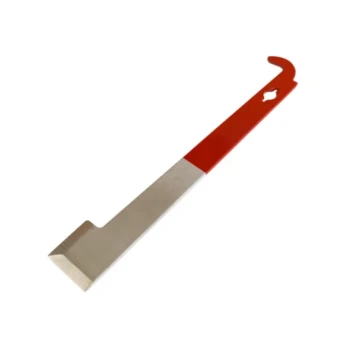
- Stainless Steel J Hook Hive Tool for Beekeeping
- HONESTBEE 15-in-1 Beekeeper Multi-Tool with Hammer and Pliers for Beekeeping
- HONESTBEE Classic Pry Bar Hive Tool with High Visibility Finish for Beekeeping
- Multi-Function Plier-Style Frame Grip Hive Tool
- Stainless Steel Queen Grafting Tool for Beekeeping and Bee Queen Grafting
People Also Ask
- What specific challenges do beekeeping hive tools address during hive maintenance? Essential Solutions for Apiaries
- What is a J-hook hive tool and why is it favored by some beekeepers? Master Gentle Frame Handling
- What are the features of a J-hook hive tool? Effortlessly Lift Frames with Superior Leverage
- What is the purpose of the J-hook hive tool? Effortlessly Lift Frames with Superior Leverage
- How is a J-hook hive tool designed and what is its primary use? Master Effortless Hive Inspections