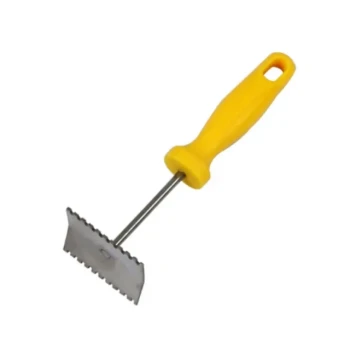
Specialized queen rearing and hive management tools act as the critical control mechanism for successful artificial colony division. Rather than relying on natural swarming, these high-precision instruments enable you to proactively replace aging queens, systematically expand your apiary's scale, and rigorously optimize the genetic quality of your bee population.
By utilizing specialized equipment to rear queens and manage frames, beekeepers shift from reactive observation to proactive management. This ensures a dynamic balance of colony numbers while securing superior genetics for the future.
Achieving Dynamic Balance and Scale
Proactive Colony Expansion
Artificial division relies on frame management equipment to systematically increase hive numbers. This allows you to scale your apiary efficiently, ensuring you have the exact number of colonies required for your production goals.
Maintaining Productivity
High-precision tools enable you to identify and replace aging or unproductive queens before they fail. By intervening early, you maintain a consistent level of productivity across the apiary and prevent the decline associated with failing queens.
Balancing Colony Numbers
Tools facilitate the even distribution of resources between strong and weak hives. This ensures a dynamic balance, preventing overcrowding in some hives while boosting weaker colonies to ensure survival.
Optimizing Genetic Quality
Controlled Larvae Transfer
Specialized tools, such as grafting needles, allow for the precise transfer of specific larvae. This gives you the power to breed exclusively from your strongest, most disease-resistant stock, rather than leaving genetics to chance.
Simulating Natural Conditions
The use of cell cups creates a controlled environment that simulates natural queen cells. This structure ensures that developing queens receive the adequate nutrition and physical protection necessary for optimal development.
Commercial Viability
For those engaged in the commercial sale of live queen bees, these tools are indispensable. They standardize the rearing process, ensuring every queen produced meets the high genetic and physical standards required by the market.
Understanding the Trade-offs
The Skill Barrier
While tools like grafting needles offer precision, they demand significant manual dexterity and practice. Improper handling during the grafting process can damage delicate larvae, leading to high failure rates and wasted resources.
Resource Strain
Artificial division and queen rearing place a heavy demand on donor colonies. Over-utilizing management tools to split hives too aggressively can weaken the original population, making them vulnerable to pests or resource scarcity.
Making the Right Choice for Your Goal
To effectively utilize these tools, align your equipment choices with your specific operational objectives.
- If your primary focus is apiary expansion: Prioritize frame management equipment that allows you to efficiently divide strong colonies into multiple viable nuclei.
- If your primary focus is genetic improvement: Master the use of fine grafting needles and cell cups to ensure strict selection and optimal nutrition for your future queens.
The effective use of these specialized tools transforms beekeeping from a passive observation of nature into an active, managed science.
Summary Table:
| Tool Category | Primary Function | Impact on Colony Division |
|---|---|---|
| Grafting Needles | Precise larvae transfer | Enables breeding from superior, disease-resistant stock |
| Cell Cups | Simulates natural queen cells | Ensures optimal nutrition and protection for developing queens |
| Frame Management | Systematic hive splitting | Facilitates efficient scaling and proactive apiary expansion |
| Nucleus Hives | Housing new divisions | Provides a controlled environment for young, establishing colonies |
Elevate Your Beekeeping Operation with HONESTBEE
At HONESTBEE, we empower commercial apiaries and distributors with the high-precision equipment necessary for successful colony division and genetic optimization. From specialized grafting tools and cell cups to advanced hive-making and honey-filling machinery, our comprehensive wholesale portfolio is designed to maximize your productivity.
Whether you are scaling your apiary or supplying the industry's best consumables, we provide the hardware and expertise to help you achieve a dynamic, high-yield honey operation. Ready to optimize your production? Contact us today to discuss your wholesale needs!
References
- Salim Hitouche, Messaoud Lazereg. Challenges of Beekeeping in Arid Regions. DOI: 10.61093/sec.8(4).191-204.2024
This article is also based on technical information from HonestBee Knowledge Base .
Related Products
- Plastic Chinese Queen Grafting Tool for Bee Queen Rearing
- Stainless Steel Queen Grafting Tool for Beekeeping and Bee Queen Grafting
- Stainless Steel Beekeeping Queen Grafting Tool for Honey Bee Rearing
- Retractable Chinese Queen Rearing Grafting Tools Equipment
- Ergonomic Plastic Frame Spacer Tool for Rapid Hive Management Beekeeping
People Also Ask
- Why is it necessary for migratory beekeeping enterprises to utilize professional queen bee rearing tools? Boost Resilience
- What specialized tools and frame configurations are needed for larval grafting during queen rearing, and how are queen cells properly spaced? Master the essentials for efficient queen production
- What are the benefits of using a queen grafting tool for queen rearing? Master Precision for Superior Bee Genetics
- What is grafting in queen rearing? Take Control of Your Apiary's Genetics
- What are the steps involved in using a queen grafting tool? A Guide to Successful Queen Rearing