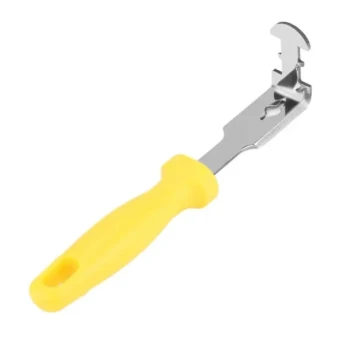
Specialized transfer tools and brood chamber isolation equipment function as the surgical instruments of stingless beekeeping. They enable the precise separation of vital hive components—brood chambers, honey pots, and pollen pots—without inflicting injury on the queen or crushing delicate brood combs. By facilitating a clean separation, these tools prevent structural collapse and cross-contamination during the critical transfer process.
By enabling the accurate rearrangement of the brood chamber without causing physical damage, these tools significantly improve the survival rate of newly split colonies and drastically shorten the time required for the colony to recover from the disturbance.
The Mechanics of Precision Splitting
Preventing Structural Damage
Stingless bees do not build rigid hexagonal frames like honeybees; they utilize fragile cerumen pots. Standard tools are often too blunt or clumsy for this architecture, leading to crushed pots.
Specialized inspection knives and fine tweezers allow for delicate manipulation. This prevents honey or pollen from spilling onto the brood, which can drown larvae or cause fungal issues.
Protecting the Queen
The success of a split relies entirely on the survival of the queen. Isolation equipment allows the beekeeper to identify and cordon off the queen safely.
This ensures she is not accidentally crushed or displaced during the transfer of the brood chamber. It also allows for the safe separation of the mother colony from the daughter colony.
Accurate Chamber Rearrangement
Splitting is not just about dividing the bees; it is about replicating the hive structure in a new box. Specialized tools facilitate the accurate rearrangement of the brood chamber.
This ensures that brood combs containing appropriate-aged larvae are positioned correctly within standardized hives. Proper positioning allows the colony to thermoregulate immediately, rather than wasting energy reorganizing the hive.
Impact on Colony Health and Recovery
Reducing Physiological Stress
Any disturbance to the hive induces stress. By using tools designed for precision, beekeepers minimize the physical destruction of the nest.
This reduction in damage means the bees can focus their energy on foraging and rearing new brood immediately. They do not have to waste weeks repairing destroyed wax structures.
Tracking and Continuity
The splitting process often involves utilizing weather-resistant marking tools. These are used to label hives containing mature queens versus those raising a new queen.
This distinction is vital for post-split management. It ensures the hive with the mature queen is returned to the original location to recapture foragers, utilizing her pheromones to stabilize the population.
Understanding the Trade-offs
The Necessity of Operator Skill
While specialized tools enable precision, they do not replace biological knowledge. A beekeeper must still understand the life cycle of the bee to know exactly where to cut.
Using high-precision tools without understanding the colony's internal organization can still lead to the accidental removal of critical resources or the queen.
Species Specificity
Stingless bees vary significantly in size and hive architecture. Tools designed for larger species may be too cumbersome for smaller, more delicate species.
Beekeepers must ensure their "specialized" kit is actually appropriate for the specific species they are managing, or they risk doing more harm than good.
Making the Right Choice for Your Goal
To maximize the success of your apiary expansion, align your equipment choices with your specific objectives:
- If your primary focus is rapid colony expansion: Prioritize isolation equipment that protects the queen, as her survival is the single biggest factor in successful propagation.
- If your primary focus is long-term colony health: Invest in fine precision instruments (tweezers and inspection knives) that minimize structural damage and reduce the energy cost of recovery for the bees.
Ultimately, the use of specialized transfer equipment transforms colony splitting from a chaotic disturbance into a controlled, survivable medical procedure for the hive.
Summary Table:
| Tool / Equipment | Core Function | Key Benefit for the Colony |
|---|---|---|
| Fine Tweezers & Knives | Precise separation of cerumen pots | Prevents brood crushing and honey/pollen spills. |
| Isolation Equipment | Queen identification and shielding | Eliminates risk of queen injury or accidental loss. |
| Brood Positioning Tools | Accurate chamber rearrangement | Enables immediate thermoregulation and faster recovery. |
| Marking Tools | Post-split hive identification | Simplifies management of mature vs. virgin queen hives. |
Scale Your Apiary Operations with HONESTBEE
Ensure maximum survival rates and efficiency in your commercial operations. HONESTBEE serves commercial apiaries and distributors globally with a comprehensive wholesale offering. From precision transfer tools to industrial-scale hive-making and honey-filling machinery, we provide everything you need to succeed.
Looking to upgrade your equipment or stock high-quality consumables? Contact our expert team today to explore our full portfolio and see how our specialized hardware and honey-themed merchandise can add value to your business.
References
- Elda Míriam Aldasoro Maya, Jorge Mérida‐Rivas. Stingless bee keeping: Biocultural conservation and agroecological education. DOI: 10.3389/fsufs.2022.1081400
This article is also based on technical information from HonestBee Knowledge Base .
Related Products
- Stainless Steel Queen Grafting Tool for Beekeeping and Bee Queen Grafting
- Plastic Chinese Queen Grafting Tool for Bee Queen Rearing
- Black 2 Pack Beekeeper Queen Grafting Tool for Bee Queen Larva Transferring Needle
- Plastic Beekeeping Honey Bee Larvae Grafting Tools for Queen Rearing and Chinese Grafting
- Professional Bamboo Queen Isolation Cage
People Also Ask
- What are the steps involved in using a queen grafting tool? A Guide to Successful Queen Rearing
- What is grafting in queen rearing? Take Control of Your Apiary's Genetics
- What are the benefits of using a queen grafting tool for queen rearing? Master Precision for Superior Bee Genetics
- What is the step-by-step process for using a queen grafting tool? Master Larva Transfer for Better Queen Rearing
- What is the primary function of a queen grafting tool? Master Precise Larval Transfer for High Queen Acceptance