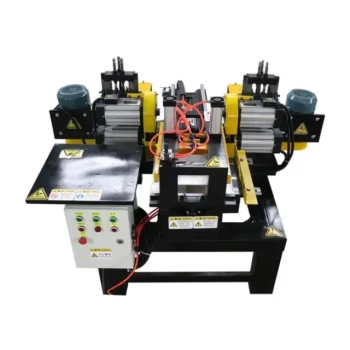
Industrial-grade hive-making machinery serves as the logistical backbone of modern agricultural pollination. By enabling the mass production of uniform, scientifically structured hives, this technology converts beekeeping from a localized activity into a scalable, mobile service. It directly addresses colony shortages by facilitating the rapid deployment, efficient management, and safe transport of pollinators to regions where crop yields are at risk.
The pollinator shortage is often a logistics challenge as much as a biological one. Industrial hive machinery solves this by creating standardized infrastructure that supports high-density transport, rapid disease management, and precise scaling of pollination intensity.
Standardization as a Technical Foundation
Establishing Uniform Specifications
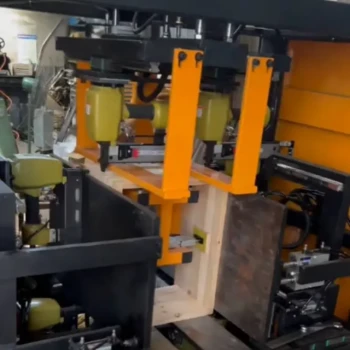
Industrial machinery is essential for manufacturing wooden or composite beehives with precise, uniform specifications. This consistency eliminates the irregularities found in manual construction.
Enabling Interchangeability
The widespread adoption of these standardized hives allows beekeepers to replace hive frames quickly and seamlessly. Parts from one hive can be moved to another without modification, which is critical for managing large-scale operations.
Creating Scientific Structures
Unlike wild nesting sites, machine-made artificial hives provide a scientifically designed, adjustable living space. This protective structure facilitates stable colony breeding and supports the biological needs of the bees more effectively than natural environments.
Transforming Pollination into a Scalable Service
Supporting Long-Distance Mobility
To address local shortages, colonies must often be rented and moved across vast distances. Industrial hives are designed to withstand the rigors of this transport, serving as the technical foundation for pollination rental services.
Ensuring Precision Deployment
Standardized equipment allows for the precise placement of bee colonies within target agricultural fields. Operators can position hives strategically to ensure optimal coverage of the crop area.
Controlling Pollination Intensity
Industrial hive designs allow operators to adjust the number of hive frames within the box. This capability enables the beekeeper to control the intensity of pollination, tailoring the colony size to the specific requirements of the crop.
Understanding the Operational Trade-offs
The Necessity of Pest and Disease Management
While industrial hives facilitate scale, they also require rigorous management. However, the standardized design aids this by making it easier to access colonies for treatment, allowing beekeepers to manage pests and diseases more effectively than in non-standard setups.
Mitigating Macro-Level Risks
The primary "trade-off" here is between artisanal methods and industrial necessity. Without the efficiency of mass-produced equipment, the agricultural sector faces a significant risk of crop yield reduction caused by a lack of pollination capacity. Reliance on non-standardized equipment creates bottlenecks that modern agriculture cannot afford.
Making the Right Choice for Your Goals
To leverage industrial hive technology effectively, consider your specific operational focus:
- If your primary focus is large-scale rental services: Prioritize machinery that produces highly durable, stackable hives designed specifically for the stresses of long-distance transport.
- If your primary focus is precise crop yield management: Utilize hives with modular frame systems that allow you to easily adjust colony size and control pollination intensity based on bloom density.
Standardization is not just about manufacturing; it is the key that unlocks the mobility and efficiency required to secure the global food supply.
Summary Table:
| Key Feature | Impact on Pollination Efficiency | Benefit to Agricultural Yield |
|---|---|---|
| Standardization | Enables interchangeability and rapid part replacement. | Reduces downtime during peak pollination seasons. |
| Scientific Design | Optimizes hive internal climate and colony health. | Ensures stronger, more active pollinator populations. |
| Mobile Durability | Supports high-density, long-distance transport. | Bridges the gap between colony supply and crop demand. |
| Modular Frames | Allows for precise control of pollination intensity. | Tailors bee density to specific crop bloom requirements. |
Scale Your Pollination Business with HONESTBEE Precision
As the agricultural sector faces critical pollinator shortages, the ability to deploy robust, standardized hives is a competitive necessity. HONESTBEE empowers commercial apiaries and distributors with the industrial-grade hive-making machinery and honey-filling systems needed to transform beekeeping into a high-efficiency service.
From specialized hardware to essential beekeeping consumables and cultural merchandise, we provide the comprehensive wholesale solutions you need to support global food security.
Ready to elevate your operation? Contact our expert team today to discover how our machinery can streamline your production and expand your service reach.
References
- O. P. Chaudhary, Ramesh Chand. Economic benefits of animal pollination to Indian agriculture. DOI: 10.56093/ijas.v87i9.73903
This article is also based on technical information from HonestBee Knowledge Base .
Related Products
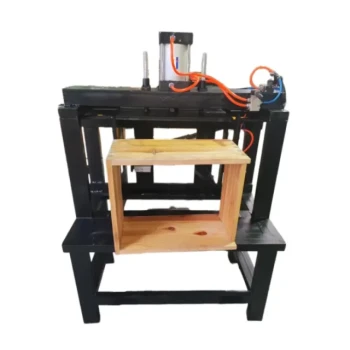
- High-Efficiency Pneumatic Bee Hive Making Machine for Rapid Box Assembly
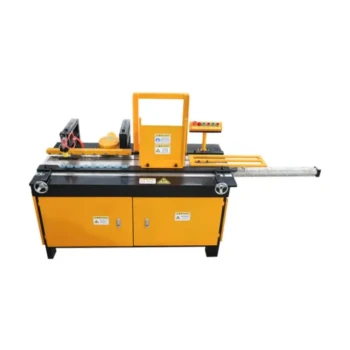
- Beehive Handle and Frame Rest Cutting Machine: Your Specialized Hive Machine
- Automatic Finger Joints Joint Making Machine for Bee Box and Hive Making
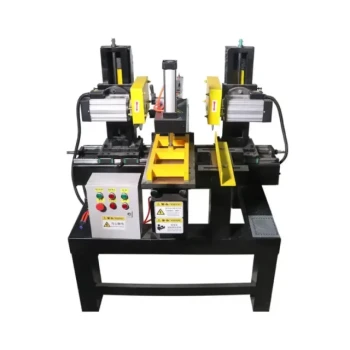
- Beehive Machine Double End Saw for Precision Hive Component Manufacturing
- Mini Desktop Bee Hive Frame Forming Making Machine
People Also Ask
- How does the introduction of professional beehive-making machinery benefit sustainable beekeeping? Scale Your Apiary
- Why is specialized beehive-making machinery critical for low-defense breeding? Enhance Selection with Precision Tools
- How does the introduction of specialized beehive making machinery contribute to increasing the scale of regional beekeeping industries?
- What is the importance of specialized beehive making machinery in a circular bio-economy? Build Local Sustainability
- Why is specialized beehive-making machinery essential? Scale Your Apiary with Precision Industrial Standards