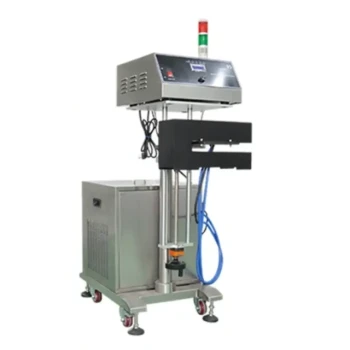
Industrial low-temperature freezing equipment acts as a critical biological stabilization phase in bee pollen processing. Typically operating at -18°C, this machinery serves to sterilize the raw material by eliminating microbial vegetative cells and mites. By subjecting the pollen to this temperature for at least two days, the equipment effectively halts biological degradation, creating a safe foundation for further processing.
Core Takeaway By neutralizing biological threats immediately after harvest, low-temperature freezing transforms highly perishable raw pollen into a stable, clean base. This step is a non-negotiable prerequisite for ensuring safety and preventing spoilage before long-term storage or dehydration.
The Mechanics of Biological Stabilization
Eliminating Biological Contaminants
Raw bee pollen often contains microscopic pests and bacteria picked up during collection. Industrial freezing equipment targets these contaminants by maintaining a temperature of -18°C.
The 48-Hour Threshold
Achieving low temperatures is not enough; duration is equally critical. The treatment period must last for at least two days to ensure effectiveness.
Stopping Degradation Pathways
This sustained cold exposure destroys microbial vegetative cells and mites that would otherwise compromise the product. It effectively "pauses" the biological activity that leads to rot and decay.
establishing a Clean Processing Base
Preparing for Dehydration
Freezing is not merely for storage; it is a vital pre-treatment for drying. By stabilizing the raw material first, you ensure that the subsequent dehydration process starts with a clean, pathogen-free input.
Preventing Nutrient Loss
Fresh pollen is highly susceptible to mold and rapid spoilage due to high moisture content. Immediate freezing preserves the nutritional value and freshness that would be lost if the pollen sat at ambient temperatures before drying.
Extending Operational Flexibility
This equipment allows producers to buffer their workflow. Instead of being forced to dry pollen immediately upon harvest, freezing creates a clean raw material base that can be stored safely until drying equipment is available.
Understanding the Operational Requirements
The Necessity of Immediate Action
For this equipment to be effective, pollen should be introduced to the freezer immediately after cleaning. Delays can allow biological degradation to begin, which freezing cannot reverse once started.
Storage vs. Processing
While refrigeration offers a short-term solution (up to one year), deep freezing is required for genuine longevity. Industrial freezing extends the freshness of bee pollen for one to two years, offering a significant advantage over standard refrigeration.
Making the Right Choice for Your Goal
To maximize the quality of your final product, align your processing steps with your specific objectives:
- If your primary focus is food safety: Ensure your protocol strictly adheres to the -18°C temperature for a minimum of 48 hours to guarantee the elimination of mites and microbial cells.
- If your primary focus is workflow management: Use the freezing stage to create a stable inventory buffer, allowing you to dehydrate the pollen in batches without risking spoilage of the raw material.
Properly utilized, industrial freezing is the gatekeeper that bridges the gap between a perishable harvest and a high-value commercial commodity.
Summary Table:
| Feature | Specification/Requirement | Impact on Bee Pollen |
|---|---|---|
| Target Temperature | -18°C (-0.4°F) | Neutralizes mites and microbial vegetative cells |
| Processing Duration | Minimum 48 Hours | Ensures deep biological stabilization and safety |
| Timing | Immediately post-cleaning | Stops degradation before nutritional loss occurs |
| Storage Longevity | 1 to 2 Years | Extends operational flexibility and shelf life |
| Primary Function | Pre-treatment Stabilization | Creates a pathogen-free base for dehydration |
Elevate Your Apiary Production with HONESTBEE Professional Equipment
At HONESTBEE, we specialize in empowering commercial apiaries and distributors with high-performance beekeeping machinery and tools. Whether you need specialized pollen processing hardware, industrial honey-filling machines, or durable hive-making equipment, our comprehensive wholesale range is designed to optimize your workflow.
Why Partner with HONESTBEE?
- Industrial-Grade Reliability: Our machinery ensures biological stabilization and safety standards are met every time.
- End-to-End Solutions: From hardware to essential industry consumables and cultural merchandise.
- Expert Support: We help you scale your production from raw harvest to retail-ready commodities.
Ready to enhance your processing efficiency? Contact us today to explore our full equipment catalog!
References
- Maciej Siuda, T. Bąk. The Effect of Various Storage Methods on Organoleptic Quality of Bee Pollen Loads. DOI: 10.2478/v10289-012-0008-8
This article is also based on technical information from HonestBee Knowledge Base .
Related Products
- Professional Water Cooled Induction Sealing Machine for Bottles and Containers
- Professional Plastic Honey Dipper for Easy Honey Drizzling
- Economy Small Scale Honey Dryer Dehumidifier Thickening Machine
- Heavy Duty Stainless Steel Honey Processing Machine Decrystallizing Tank
- 0.5T Capacity Honey Dehumidifier Dryer with Vacuum Heating and Thickening Filtering Machine
People Also Ask
- How does tamper-evident sealing equipment benefit the honey trade? Ensure Product Integrity and Market Trust
- What is the function of an induction sealing machine in packaging? Secure Your Brand with Tamper-Evident Seals
- How does an induction sealing machine work? Enhance Honey Packaging with Hermetic Seals & Tamper Evidence
- What is an induction sealing machine and how does it work? Achieve Airtight, Tamper-Evident Seals
- How does the induction sealing process work? Create Tamper-Evident, Airtight Seals for Your Products