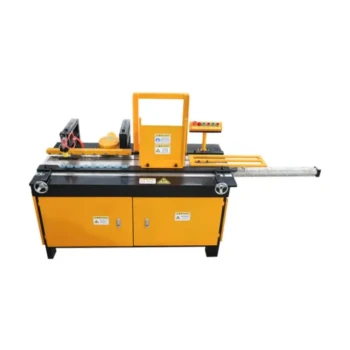
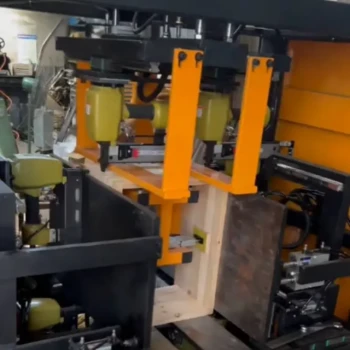
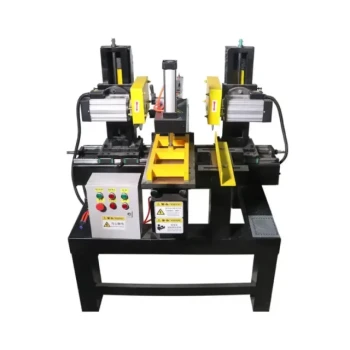
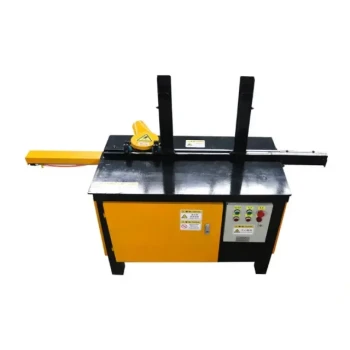
Professional hive-making machinery acts as the critical interface between engineering precision and biological survival. Its primary role is to produce standardized, high-integrity dwellings with superior insulation, which serves as the first line of defense against temperature fluctuations in extreme microclimates. By ensuring tight manufacturing tolerances, this machinery eliminates structural weaknesses that would otherwise force colonies to waste vital energy on thermoregulation and repair.
Core Insight: The survival of a honeybee colony in a harsh climate is often determined by its energy budget. Precision manufacturing creates a "passive" life-support system that minimizes thermal stress, allowing bees to direct their energy toward hygiene, honey production, and winter survival rather than fighting their environment.
The Mechanics of Climate Resistance
Ensuring Thermal Consistency
In regions with extreme microclimates, the difference of a few degrees can dictate colony survival. Professional machinery creates hives with high-precision wall thicknesses and joint fits.
This mechanical precision ensures optimal insulation performance. By minimizing drafts and thermal leaks, the physical hive structure acts as a stable buffer, shielding the colony from rapid external temperature spikes or drops.
Structural Integrity Under Stress
Hand-made or inconsistent hives are prone to warping and gaps when exposed to fluctuating humidity and temperatures. Industrial-grade machinery produces components that maintain their structural integrity over time.
A structurally sound hive prevents water ingress and wind penetration. This stability allows the colony to maintain homeostasis without dedicating excessive worker bees to structural maintenance or emergency heating.
Enhancing Biological Resilience
Strengthening Social Immunity
Survival is not just about temperature; it is about disease resistance. High-precision machinery produces accurately sized honeycomb components that support the colony's social immunity.
These precise structures provide a robust physical barrier against pests. Furthermore, a predictable, standardized nest environment enables bees to execute natural hygiene behaviors, such as pathogen avoidance and nest cleaning, more efficiently.
Reducing Disease Transmission
When hive components fit together perfectly, there are fewer crevices for pathogens and parasites to hide. By optimizing environmental control within the nest, precision manufacturing reduces the efficiency of internal pathogen transmission.
Standardization as a Survival Tool
Eliminating Environmental Variables
To breed bees that can survive extreme climates, researchers must know if survival is due to strong genetics or just a "lucky" hive placement. Machine-made, standardized hives provide a uniform physical environment.
This eliminates environmental variables, allowing breeders to accurately correlate genotypes with production phenotypes. This accelerates genomic selection, helping breeders develop bee strains specifically adapted to harsh local conditions.
Optimizing for Specific Species
Industrial machinery allows for the processing of hives tailored to the biological characteristics of specific honeybee species, such as the Caucasian Gray Bee.
By aligning the physical housing with the species' natural requirements, beekeepers maximize the physiological potential of the colony. This alignment ensures the bees are not stressed by their physical container, promoting higher survival rates.
Understanding the Trade-offs
The Reliance on Standardization
While standardization improves efficiency and research, it imposes a "one-size-fits-all" logic on biological systems. It is critical to ensure that the standardized dimensions chosen for mass production actually align with the local bee species' needs, rather than forcing a species to adapt to an arbitrary industrial standard.
Infrastructure vs. Biology
Machinery provides the hardware for survival, but it cannot replace biological adaptation. A high-precision hive improves the odds for a colony, but it does not compensate for poor genetic stock or inadequate nutrition. The machinery is an enabler of survival, not a guarantor.
Making the Right Choice for Your Goal
Whether you are a commercial operator or a researcher, the role of machinery changes based on your objective.
- If your primary focus is Commercial Production: Prioritize machinery that ensures part interchangeability and integration with extraction workflows to maximize operational efficiency and biosecurity.
- If your primary focus is Genetic Breeding: Rely on high-precision machinery to create identical control environments, ensuring that observed survival traits are genetic rather than environmental.
- If your primary focus is Survival in Extreme Cold: Select manufacturing processes that prioritize wall thickness consistency and joint sealing to maximize thermal insulation.
Precision engineering does not replace nature, but it provides the stable foundation necessary for nature to thrive in hostile conditions.
Summary Table:
| Key Feature | Benefit for Honeybee Survival | Role of Professional Machinery |
|---|---|---|
| Thermal Consistency | Reduces energy waste on thermoregulation | Ensures high-precision wall thickness & insulation |
| Structural Integrity | Prevents water ingress & wind penetration | Industrial-grade joint fits & warp-resistant builds |
| Social Immunity | Supports natural hygiene & pest resistance | Produces standardized, accurately sized components |
| Environmental Control | Lowers pathogen transmission rates | Eliminates crevices & ensures perfect component fit |
| Standardization | Facilitates accurate genetic selection | Provides a uniform environment for trait testing |
Scale Your Apiary Operations with HONESTBEE Precision Engineering
To survive and thrive in today’s unpredictable microclimates, your honeybees need more than just a box—they need a high-performance dwelling. HONESTBEE specializes in empowering commercial apiaries and global distributors with the professional machinery and tools required to build superior hives.
Why partner with us?
- Comprehensive Solutions: From specialized hive-making and honey-filling machines to a full spectrum of beekeeping hardware.
- Precision for Performance: Our machinery ensures the tight manufacturing tolerances necessary for optimal thermal insulation and colony health.
- Wholesale Expertise: We cater specifically to large-scale operators and distributors, providing essential industry consumables and honey-themed cultural merchandise to expand your market reach.
Don't let environmental variables dictate your success. Equip your business with the tools designed for biological resilience and operational efficiency.
Contact HONESTBEE Today to Discuss Your Wholesale Equipment Needs
References
- Aleksandra Tymczak. Honey production in Alberta: Grassroots extension services. DOI: 10.56367/oag-048-11780
This article is also based on technical information from HonestBee Knowledge Base .
Related Products
- High-Efficiency Pneumatic Bee Hive Making Machine for Rapid Box Assembly
- Beehive Handle and Frame Rest Cutting Machine: Your Specialized Hive Machine
- Mini Desktop Bee Hive Frame Forming Making Machine
- Automatic High-Speed Bee Hive Box Stapling Machine
- Beehive Machine Double End Saw for Precision Hive Component Manufacturing
People Also Ask
- How does the introduction of professional beehive-making machinery benefit sustainable beekeeping? Scale Your Apiary
- Why is specialized beehive-making machinery critical for low-defense breeding? Enhance Selection with Precision Tools
- How does the introduction of specialized beehive making machinery contribute to increasing the scale of regional beekeeping industries?
- What is the importance of specialized beehive making machinery in a circular bio-economy? Build Local Sustainability
- Why is specialized beehive-making machinery essential? Scale Your Apiary with Precision Industrial Standards