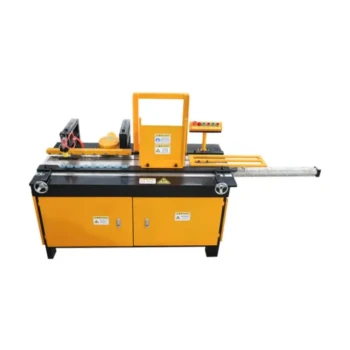
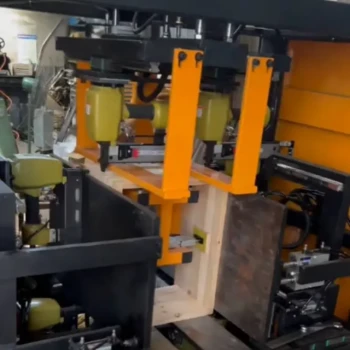
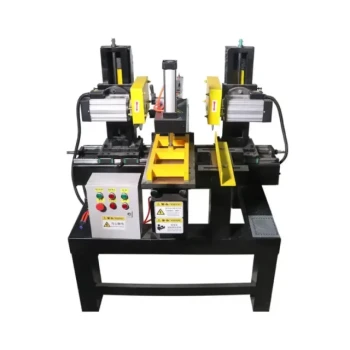
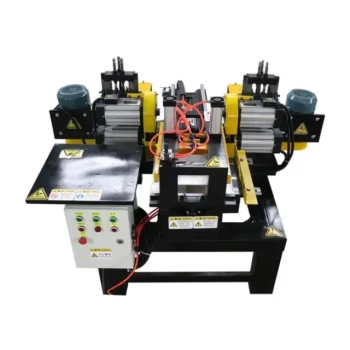
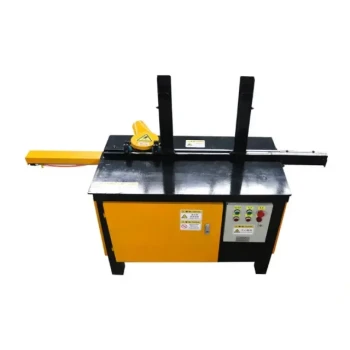
Professional hive-making machinery acts as the technological cornerstone for shifting from traditional, subsistence-level beekeeping to modern, industrial-scale apiculture. By delivering high-precision cutting and assembly, this machinery ensures the exact dimensional accuracy of hive components—specifically top bars and frames—which is impossible to achieve consistently with hand tools. This mechanical precision transforms the beehive from a simple container into a standardized, interchangeable system that supports efficient colony management.
The transition to modern beekeeping is impossible without hardware consistency. Specialized machinery replaces irregular traditional nesting methods with scientifically structured hives, creating the standardization necessary for component interchangeability, rapid scalability, and non-destructive harvesting.
The Foundation of Modernization: Precision Engineering
Ensuring Component Interchangeability
The primary contribution of professional machinery is the guarantee of dimensional accuracy. In modern systems, particularly Top-Bar Hives, the ability to move a top bar or frame from one hive to another is essential.
Machinery ensures every component is identical. This allows beekeepers to balance resources between strong and weak colonies seamlessly, a practice that is difficult with irregular, hand-made traditional hives.
Minimizing Colony Disturbance
Traditional harvesting often involves destroying the nest, which sets the colony back significantly. High-precision hive structures produced by specialized machinery fit together perfectly, reducing the need for bees to seal gaps with excessive propolis.
This structural accuracy facilitates non-destructive harvesting. Beekeepers can inspect and harvest without crushing bees or destroying the comb structure, significantly improving colony health and recovery times.
Optimizing Space Management
Modern beekeeping relies on "bee space"—the precise gap bees need to move freely without building burr comb. Professional machinery cuts components to these exact tolerances.
Proper space management prevents the bees from gluing frames to the hive body. This makes management interventions faster and less intrusive, directly impacting the productivity of the apiary.
Economic and Operational Implications
Enabling Self-Sufficiency and Local Sourcing
Advanced machinery allows operators to process local materials into professional-grade equipment. Instead of importing expensive pre-made hives, beekeepers can manufacture their own high-quality gear using regional timber.
This supports a circular economy model. It reduces procurement costs significantly and eliminates dependence on external supply chains, fostering a self-sufficient operation resilient to market fluctuations.
Facilitating Rapid Scalability
Manual production limits growth; mechanized production removes this bottleneck. High-efficiency cutting technologies significantly reduce the manufacturing cycle and labor costs per unit.
This allows operations to expand quickly in response to market demand. An apiary can scale from dozens to thousands of hives because the production capacity for the necessary hardware is readily available.
Diversifying Production Capabilities
Standardized hives enable more than just honey production. The precision of machine-made hives allows for the integration of add-ons like pollen traps.
This capability transitions the operation from a single-product model to a multi-product enterprise. Beekeepers can harvest honey, bee pollen, and propolis, significantly increasing the revenue potential per colony.
Understanding the Trade-offs
The Necessity of Professional Training
Hardware alone is not a magic solution. The introduction of advanced machinery must be paired with standardized operating procedures. Without proper training, the potential of high-precision equipment is wasted through improper handling.
Maintenance and Durability
While machine-made hives are generally more durable—especially in extreme environments like Mediterranean climates—the machinery itself requires maintenance. Transitioning to this model requires a shift in mindset from simple woodworking to managing industrial assets.
Making the Right Choice for Your Goal
To successfully modernize your beekeeping operation, align your machinery strategy with your specific end goals:
- If your primary focus is rapid expansion: Prioritize machinery that guarantees high-speed production and component interchangeability to minimize labor during colony management.
- If your primary focus is cost efficiency: Focus on machinery capable of processing local raw materials to reduce reliance on external suppliers and lower unit costs.
- If your primary focus is bee health and biology: Select machinery that offers the highest dimensional precision to ensure optimal bee space and minimize inspection disturbance.
True modernization begins when the hive becomes a standardized tool rather than a variable container.
Summary Table:
| Key Feature | Traditional Beekeeping | Modern Beekeeping (Mechanized) |
|---|---|---|
| Production Basis | Manual hand tools / irregular | High-precision industrial machinery |
| Interchangeability | Low (custom fit per hive) | High (standardized components) |
| Scalability | Limited by manual labor | Rapid industrial growth potential |
| Bee Health | High disturbance during harvest | Minimized disturbance (bee space) |
| Material Sourcing | Variable / Imported | Local processing of raw timber |
| Revenue Model | Single product (Honey) | Multi-product (Honey, Pollen, Propolis) |
Revolutionize Your Beekeeping Operation with HONESTBEE
Transitioning from traditional methods to industrial-scale success requires the right technological partner. HONESTBEE empowers commercial apiaries and distributors with the high-precision hardware needed to lead the market. From professional hive-making machines that ensure perfect 'bee space' to honey-filling systems and cultural merchandise, our comprehensive wholesale portfolio covers your entire production chain.
Partner with HONESTBEE to:
- Lower Unit Costs: Process local timber into professional-grade equipment.
- Ensure Consistency: Guarantee 100% component interchangeability across thousands of hives.
- Maximize Yield: Diversify into pollen and propolis production with standardized hardware.
Ready to scale your business with industry-leading machinery and consumables?
Contact HONESTBEE Today
References
- W George. Profitability dynamics of improved and traditional beehive models in Tanzania. DOI: 10.1007/s44279-025-00364-8
This article is also based on technical information from HonestBee Knowledge Base .
Related Products
- High-Efficiency Pneumatic Bee Hive Making Machine for Rapid Box Assembly
- Beehive Handle and Frame Rest Cutting Machine: Your Specialized Hive Machine
- Mini Desktop Bee Hive Frame Forming Making Machine
- Automatic High-Speed Bee Hive Box Stapling Machine
- Beehive Machine Double End Saw for Precision Hive Component Manufacturing
People Also Ask
- How does the introduction of professional beehive-making machinery benefit sustainable beekeeping? Scale Your Apiary
- Why is specialized beehive-making machinery critical for low-defense breeding? Enhance Selection with Precision Tools
- How does the introduction of specialized beehive making machinery contribute to increasing the scale of regional beekeeping industries?
- What is the importance of specialized beehive making machinery in a circular bio-economy? Build Local Sustainability
- Why is specialized beehive-making machinery essential? Scale Your Apiary with Precision Industrial Standards