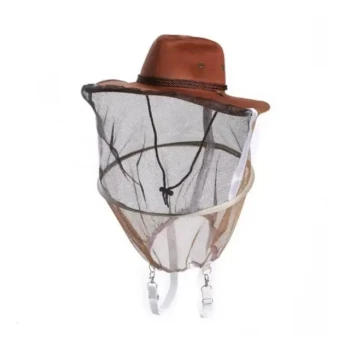
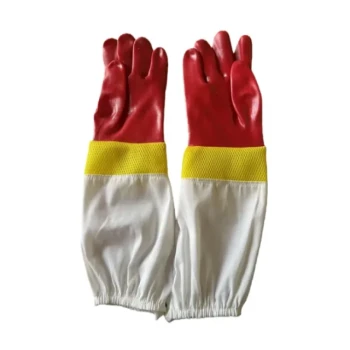
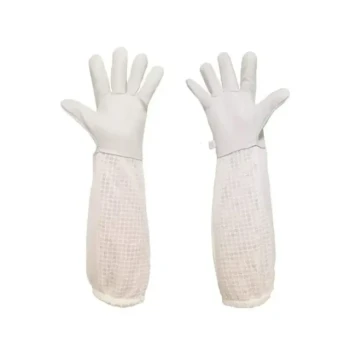
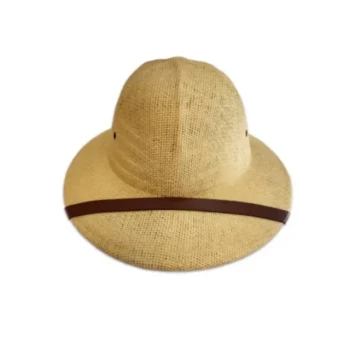
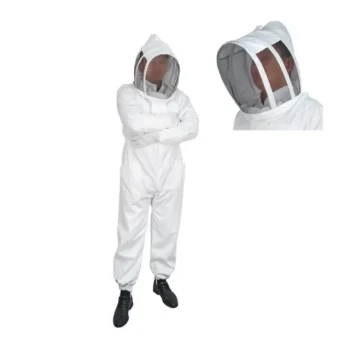
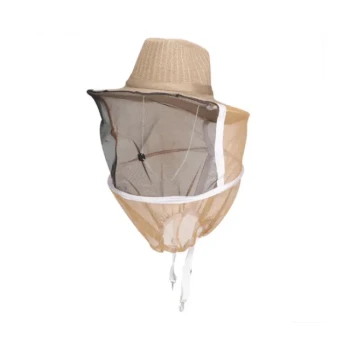
Professional personal protective equipment (PPE) serves as the primary physical barrier enabling the safe management of defensive honey bee colonies. By employing full-coverage bee suits, specialized gloves, and veils, beekeepers can neutralize the risks of aggressive stinging behavior and long-distance pursuit, ensuring that essential hive maintenance can proceed without injury.
In regions populated by defensive bee species, specialized PPE is not optional safety gear but an operational prerequisite. It safeguards the beekeeper’s physical well-being while ensuring the steady, sustainable operation of the apiary by allowing for consistent hive inspections and harvesting.
The Operational Role of PPE
Creating a Critical Physical Barrier
The most immediate function of professional PPE is to provide an impenetrable layer between the apiarist and the colony. Defensive bee populations are characterized by high aggression; a full-coverage suit, combined with a veil and gloves, prevents stingers from reaching the skin. This barrier significantly reduces the incidence of stinging injuries, which is the baseline requirement for working with these specific bee varieties.
Countering Long-Distance Pursuit
Unlike docile breeds, defensive honey bees are known for chasing intruders over significant distances. Professional PPE ensures the beekeeper remains protected not just while standing over the open hive, but also during the retreat or movement around the apiary. This protection allows the beekeeper to exit the immediate vicinity of the hive safely without being vulnerable to the bees' persistent defensive response.
Preventing Operational Accidents
Beyond preventing pain, PPE plays a vital role in maintaining the quality of the work performed. A sudden sting can cause a reflexive reaction, leading a beekeeper to accidentally drop hive frames or lose focus during delicate operations. By eliminating the fear of stings, PPE allows the beekeeper to handle frames with steady hands, protecting the colony from accidental harm or disruption during inspections.
Understanding the Trade-offs
PPE vs. Colony Calmness
While PPE protects the human, it does not calm the bees. Relying solely on a thick suit without utilizing other management tools—such as a smoker to mask alarm pheromones—protects your skin but leaves the colony in a state of high stress. PPE handles the consequence of aggression, but it does not mitigate the cause of the defensive behavior.
Dexterity and Sensory Limitations
High-level protection, particularly specialized gloves, often comes at the cost of tactile sensitivity. Thick layers required to stop stings from defensive bees can make it difficult to feel delicate components or handle the queen safely. Beekeepers must balance the need for maximum protection with the dexterity required to perform precise tasks without crushing bees.
Ensuring Sustainable Colony Management
To effectively manage defensive colonies, you must select gear that aligns with your operational goals.
- If your primary focus is personal safety: Prioritize full-coverage suits and thick, specialized gloves to completely neutralize the risk of stings and long-distance pursuit.
- If your primary focus is operational precision: Ensure your veil offers clear visibility and your gloves offer enough dexterity to prevent dropping frames, as accidents can incite further aggression.
By treating professional PPE as a mandatory component of your infrastructure, you transform the management of defensive bees from a high-risk gamble into a sustainable agricultural practice.
Summary Table:
| PPE Component | Primary Function | Operational Benefit |
|---|---|---|
| Full-Coverage Suit | Impenetrable physical barrier | Prevents stings during hive inspections and long-distance pursuit. |
| Specialized Gloves | Hand and wrist protection | Enables steady handling of hive frames without reflexive reactions. |
| Beekeeping Veil | Facial & respiratory protection | Ensures clear visibility while shielding sensitive areas from aggression. |
| Protective Footwear | Lower body sealing | Prevents bees from entering through the bottom of the suit. |
Elevate Your Apiary Safety with HONESTBEE
Managing defensive colonies requires more than just skill—it demands industrial-grade protection. HONESTBEE specializes in supporting commercial apiaries and distributors with a comprehensive wholesale range of professional beekeeping tools, machinery, and essential PPE.
Whether you need high-durability suits for large-scale operations or precision honey-filling machines for your production line, we provide the hardware and consumables necessary for sustainable success.
Ready to scale your beekeeping business safely?
Contact HONESTBEE Today to discuss our wholesale offerings and discover how our specialized equipment can protect your team and enhance your operational efficiency.
References
- Ernesto Guzmán‐Novoa, José Javier G. Quezada‐Euán. The Process and Outcome of the Africanization of Honey Bees in Mexico: Lessons and Future Directions. DOI: 10.3389/fevo.2020.608091
This article is also based on technical information from HonestBee Knowledge Base .
Related Products
- Premium Cowboy Beekeeper Hat with Visibility Veil Outdoor Professional Beekeeping Protective Gear
- Professional Square Folding Wire Mesh Beekeeping Veil
- JZBZ Style Push-In Cell Protector for Professional Queen Rearing Kits
- Square Folding Beekeeping Hat with Integrated Veil
- Professional Beekeeper Suit with Square Folding Cotton Veil
People Also Ask
- What design features contribute to the stability and fit of the beekeeper hat? Key Features for Maximum Hive Safety
- How is the beekeeper hat designed for comfort and practicality? Explore Key Features for Enhanced Apiary Safety
- What is the general protective gear recommendation for new beekeepers? Your Essential Beginner's Safety Guide
- How does beekeeping protective gear facilitate the queen bee selection process? Enhancing Precision in Queen Breeding
- What should beekeepers consider when choosing protective gear? A Guide for Maximum Safety & Comfort