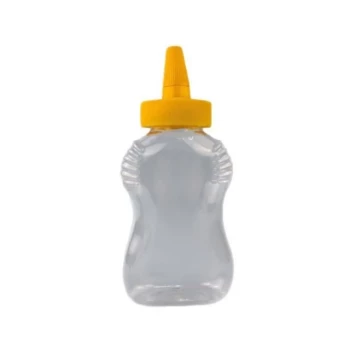
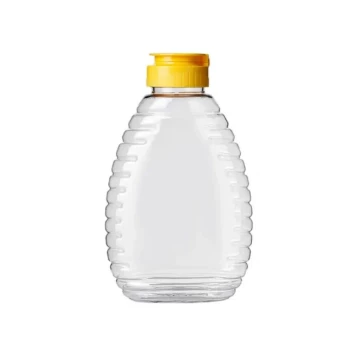
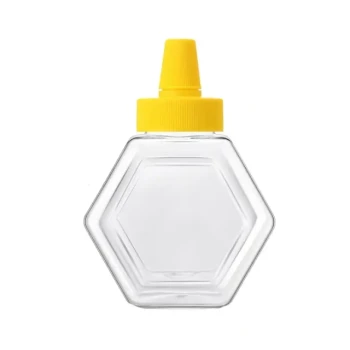
Food-grade screw-cap bottles and industrial coolers act as the primary defense system for honey sample integrity during collection and transport. The bottles utilize a secure, chemically inert seal to prevent external contamination and moisture fluctuations, while the coolers maintain a strict low-temperature environment (specifically 3±2°C) to arrest biological activity.
The accuracy of laboratory analysis depends entirely on preserving the sample's state at the moment of collection. These tools do not merely transport the honey; they effectively "pause" its biological and chemical timeline to protect the original pollen spectrum and composition.
The Critical Role of Food-Grade Screw-Cap Bottles
The primary function of the screw-cap bottle is to create an isolated micro-environment for the sample. This physical barrier ensures that the honey tested in the lab is identical to the honey harvested at the apiary.
Preventing Environmental Contamination
The most immediate role of these bottles is to block external impurities. By using a secure screw-cap mechanism, you prevent the intrusion of environmental dust, microorganisms, and foreign particles that would compromise the sample's purity.
Controlling Moisture and Volatiles
Honey is highly hygroscopic, meaning it naturally absorbs moisture from the air. A hermetic seal prevents the honey from absorbing atmospheric water, which could otherwise dilute the sample or trigger fermentation. Simultaneously, the seal traps volatile aromatic compounds inside, preventing them from escaping and altering the sample's chemical profile.
Ensuring Chemical Inertness
Whether using glass or high-quality polyethylene, the "food-grade" designation ensures the container material is chemically inert. This prevents the packaging itself from reacting with the honey's active components, ensuring that subsequent physicochemical analyses reflect the honey, not the container.
The Critical Role of Industrial Coolers
While bottles protect the chemical structure, industrial coolers are responsible for biological preservation. Their role is to stabilize the sample against thermal stress.
Maintaining Specific Thermal Parameters
Industrial coolers are deployed to maintain a precise temperature range, specifically 3±2°C. This controlled environment is far more reliable than standard refrigeration methods, which may fluctuate during transport.
Inhibiting Fermentation and Degradation
Honey contains natural yeasts and enzymes that remain active at ambient temperatures. By keeping the sample at a low, stable temperature, you inhibit fermentation and slow down biochemical degradation.
Preserving the Pollen Spectrum
The integrity of the pollen spectrum is vital for determining the honey's botanical and geographical origin. Thermal stability prevents the degradation of these delicate biological markers, ensuring the "fingerprint" of the honey remains intact for laboratory identification.
Understanding the Trade-offs
While these tools are essential, selecting the specific type of equipment requires balancing durability with analytical needs.
Material Fragility vs. Inertness
Glass bottles offer superior inertness and visibility, making them ideal for strict physicochemical analysis. However, they introduce a safety risk during transport due to breakage. Polyethylene offers excellent durability and sealing but must be verified as strictly food-grade to prevent leaching.
Temperature Rigidity
The strict 3±2°C requirement imposes logistical challenges. If the cooler fails or the ice packs thaw prematurely, the temperature may rise, reactivating yeast. Conversely, freezing the sample could physically alter certain structures, so precise temperature monitoring is required rather than simply "keeping it cold."
Making the Right Choice for Your Goal
To ensure your sampling data is valid, select your equipment based on your specific analytical targets.
- If your primary focus is Origin Tracing (Pollen Analysis): Prioritize the industrial cooler's reliability, as temperature fluctuations are the primary threat to biological markers and the pollen spectrum.
- If your primary focus is Microbial Safety: Ensure your screw-cap bottles are certified sterile (not just clean) to prevent false positives in total colony or mold counts.
- If your primary focus is Chemical Composition: Use sealed glass or high-density polyethylene to eliminate any risk of moisture absorption or volatile loss that would skew physicochemical results.
By strictly controlling the container seal and the thermal environment, you ensure that the laboratory results reflect the reality of the hive, not the conditions of the journey.
Summary Table:
| Equipment | Primary Role | Key Benefit |
|---|---|---|
| Food-Grade Screw-Cap Bottle | Environmental Isolation | Prevents contamination, moisture absorption, and loss of volatiles. |
| Industrial Cooler | Thermal Stabilization | Maintains 3±2°C to inhibit fermentation and preserve pollen markers. |
| Glass Material | Chemical Inertness | Best for high-precision physicochemical analysis with zero leaching. |
| HDPE Material | Physical Durability | Provides impact resistance and secure sealing during long-distance transport. |
Elevate Your Honey Production with HONESTBEE Professional Solutions
Preserving the quality of your harvest starts with the right equipment. HONESTBEE specializes in supporting commercial apiaries and distributors with a comprehensive range of wholesale beekeeping tools and machinery.
Whether you need precision honey-filling machines, specialized hive-making hardware, or essential industry consumables, we provide the industrial-grade solutions required to maintain the highest standards from hive to market.
Ready to scale your apiary operations? Contact us today to discover how our expert equipment and honey-themed cultural merchandise can add value to your business.
References
- Philip Onyango. Melissopalynological determination of the Pollen density, Botanical origin and Ogiek Honey types in Eastern Mau Forest, Kenya. DOI: 10.31695/ijasre.2019.33267
This article is also based on technical information from HonestBee Knowledge Base .
Related Products
- Ergonomic Squeezable Honey Bottle with Precision Twist Nozzle Cap
- Classic Beehive Honey Bottle Jar with Squeeze Dispenser Lid
- Squeezable No-Drip Beehive-Shaped Honey Jars with Flip-Top Cap
- Hexagonal Squeeze Honey Bottle with No Drip Lid
People Also Ask
- What are the benefits of squeeze bottles for honey packaging? Unlock Mess-Free Convenience & Control
- How should honey bottles be prepared before pouring honey into them? The #1 Rule for Honey Longevity
- What are the features of honey bottles? Design for Convenience & Long-Term Preservation
- What are the features and benefits of using honey bottles for packaging? Optimize Preservation and Consumer Experience
- How do honey bottles contribute to the preservation of honey products? Secure Quality and Commercial Value