Do not discard crystallized honey; it can be easily restored. Simply place the honey bottle in a gentle water bath and allow it to warm slowly. This process dissolves the crystals and returns the honey to its original liquid consistency.
Crystallization is a reversible physical change. By applying gentle, indirect heat, you can liquefy the honey while strictly maintaining its natural flavor and enzymatic integrity.
The Correct Method for Liquefaction
Using a Water Bath
The most effective way to restore honey is by placing the container in a bowl or pot of warm water. This provides indirect heat, which is crucial for controlling the temperature.
Monitoring the Process
Allow the warmth to permeate the jar slowly over time. You should continue this process until the crystals have completely dissolved and the liquid is clear.
Why Gentle Heat Matters
Protecting Natural Enzymes
Honey contains delicate biological compounds and natural enzymes. Using high heat to melt crystals quickly can destroy these components, reducing the overall quality of the product.
Maintaining Flavor Profiles
In addition to damaging enzymes, excessive heat can alter the taste of the honey. Gentle warming ensures the flavor profile remains authentic and robust.
Common Pitfalls to Avoid
Rushing the Process
It is often tempting to use higher temperatures to speed up the liquefaction process. However, patience is required to prevent "cooking" the honey.
Direct Heat Exposure
Avoid placing the honey container directly on a burner or high-heat source. Direct, intense heat makes it nearly impossible to preserve the honey's natural characteristics.
Ensuring Quality in Every Drop
To ensure you get the best results from your stored honey, follow these guidelines:
- If your primary focus is texture restoration: Use a water bath to slowly dissolve all crystals until the liquid returns to a smooth consistency.
- If your primary focus is nutritional quality: Keep the water temperature moderate to strictly protect the honey's natural enzymes and distinct flavor.
With patience and gentle heat, you can enjoy your honey exactly as nature intended, regardless of how long it has been stored.
Summary Table:
| Aspect | Recommended Method | Why it Matters |
|---|---|---|
| Technique | Gentle Water Bath | Provides indirect, controlled heating |
| Temperature | Low to Moderate | Protects delicate natural enzymes |
| Duration | Slow/Patient | Ensures crystals dissolve completely |
| Avoid | Direct Heat/Boiling | Prevents "cooking" and flavor loss |
Maximize Your Honey Quality with HONESTBEE
At HONESTBEE, we understand the nuances of honey processing and preservation. Whether you are a commercial apiary or a distributor, we provide the professional-grade tools you need to maintain product integrity at scale.
Our extensive portfolio includes:
- Precision Honey-Filling Machines and high-efficiency processing hardware.
- Comprehensive Beekeeping Equipment and essential industry consumables.
- Unique Honey-Themed Cultural Merchandise to boost your retail presence.
Partner with us to streamline your operations and deliver the highest quality honey to your customers. Contact HONESTBEE today to explore our wholesale solutions and expert machinery!
Related Products
- High Quality Honey Dehumidifier Dryer Thickening Machine for Beekeeping
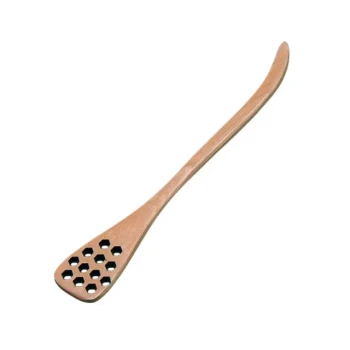
- Modern Honeycomb Pattern Wooden Honey Dipper for Stirring and Drizzling
- Economy Small Scale Honey Dryer Dehumidifier Thickening Machine
- Classic Honey Bear Jars with Flip Top Dispensing Cap for Liquid Sweeteners
- Inverted Squeezable Honey Jar with No Drip Flip Top Cap for Easy Pouring
People Also Ask
- Can you dehumidify honey? A Beekeeper's Guide to Preventing Fermentation
- How to dry up honey? The Safe Guide to Stabilizing Honey and Preventing Fermentation
- How can the moisture content of honey be reduced? A Guide to Safe, Effective Drying Methods
- How to remove humidity from honey? Protect Your Harvest from Fermentation
- How to decrease moisture in honey? Prevent Fermentation and Ensure Long-Term Quality