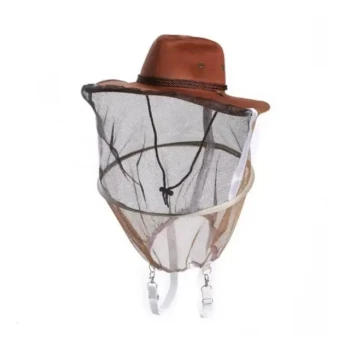
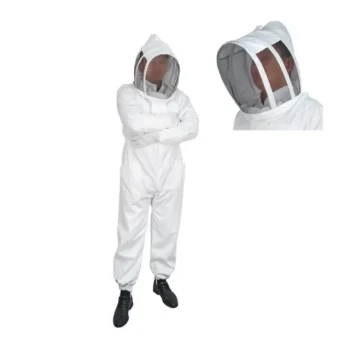
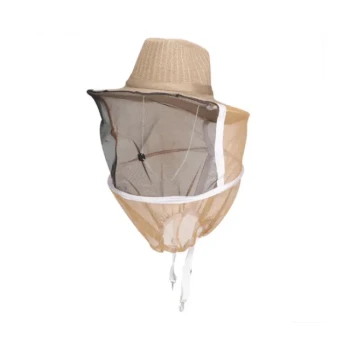
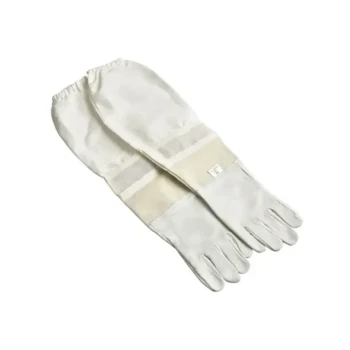
To safely install honey bee packages, you require a complete set of protective apparel, specifically a bee suit or jacket, heavy gloves, a hat, and a veil. Regarding hardware, three specific tools are essential for the process: a hive tool for manipulating frames, a sharp instrument for accessing the queen cage, and an all-purpose sprayer filled with sugar water to mist the bees.
Successful installation requires more than just the bees; it demands that all protective gear and mechanical tools are pre-staged and ready for use. This preparation ensures you can transfer the colony efficiently without delaying the process or stressing the queen.
Essential Personal Protective Equipment
To work effectively, you must be confident in your safety. The following gear provides the necessary barrier between you and the colony during installation.
Body Protection
A bee suit or jacket is the primary layer of defense. This garment covers your torso and limbs, preventing stings while you handle the package and the hive components.
Head and Face Safety
A hat and veil combination is non-negotiable. This equipment protects your face and neck, which are the most vulnerable areas, allowing you to observe the bees closely without fear of facial stings.
Hand Protection
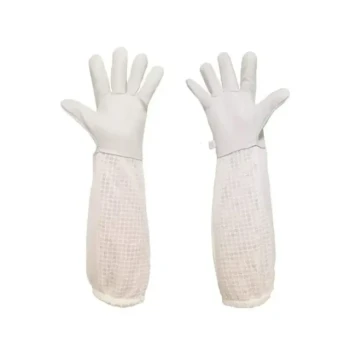
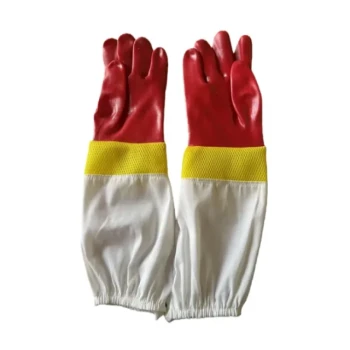
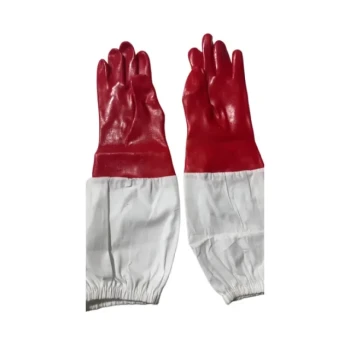
Gloves are required to protect your hands while you handle the package cage and manipulate hive frames. They provide confidence when shaking the bees into their new home.
Required Installation Tools
Beyond clothing, specific tools are required to mechanically transfer the bees and manage the hive infrastructure.
The Hive Tool
You need a standard hive tool to manipulate hive parts. This lever is used to pry apart components and adjust frames within the hive body.
The Sugar Water Sprayer
An all-purpose sprayer filled with sugar water is critical for calming the colony. Misting the bees prevents them from flying aggressively and provides them with immediate nutrition.
Queen Cage Implements
You need a sharp tool to assist in removing the queen cage from the package. Additionally, a small nail is useful to poke a hole through the candy plug, which expedites the queen's release by the worker bees.
Hive Configuration Requirements
Your tools are only effective if the hive itself is correctly configured before the bees arrive.
Single Hive Body
The receiving hive should initially consist of only one hive body. Do not add additional supers or boxes until the colony has established itself.
Space for Installation
You must remove four to five frames from the center of the box. This creates the physical void necessary to shake the bees into the hive and insert the queen cage.
The Entrance Reducer
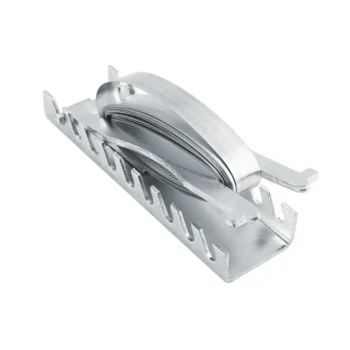
An entrance reducer is essential hardware for a new package. It should be set to its smallest opening for approximately one week to help the small colony defend against robbers and regulate temperature.
Common Pitfalls and Trade-offs
While having the right gear is vital, how you manage the environment and timing is equally important.
The Risk of Poor Storage
If you cannot install the package immediately, you trade immediate installation for storage risks. Bees must be kept in a dark, quiet place between 50°F and 70°F. Storing them outside this range risks chilling or overheating the cluster before they ever reach the hive.
Queen Release Timing
There is a balance to strike when releasing the queen. You must remove the cork from the candy end of the cage, but you rely on the workers to eat through the candy to release her. Using a nail to poke a hole speeds this up, but the process must still happen over several days to ensure the colony accepts her.
Ensuring a Successful Transfer
Preparation is the difference between a chaotic installation and a smooth start for your colony.
- If your primary focus is personal safety: Ensure your veil is securely attached to your suit and your gloves are thick enough to prevent stings, allowing you to remain calm.
- If your primary focus is colony establishment: Double-check that your hive entrance reducer is set to the smallest opening to conserve the colony's heat and security.
- If your primary focus is queen survival: Verify the queen is alive upon arrival and ensure the cork is removed from the candy end—not the release end—so she is not released immediately.
Approach the installation with your tools organized and your hive pre-assembled to give your bees the best possible start.
Summary Table:
| Category | Essential Item | Purpose during Installation |
|---|---|---|
| PPE | Bee Suit, Hat & Veil | Full body and face protection from stings |
| PPE | Heavy Gloves | Protects hands while handling the package and frames |
| Tools | Hive Tool | Prying components and adjusting frame spacing |
| Tools | Sugar Water Sprayer | Calms the colony and provides immediate nutrition |
| Tools | Sharp Tool / Nail | Removing queen cage and poking the candy plug |
| Hardware | Entrance Reducer | Regulates temperature and prevents hive robbing |
Scale Your Apiary Operations with HONESTBEE
Starting a new colony requires precision and the right equipment. HONESTBEE provides commercial apiaries and distributors with high-quality, professional-grade beekeeping tools and machinery designed for efficiency and durability.
Why partner with us?
- Comprehensive Wholesale Range: From specialized hive-making and honey-filling machines to daily consumables.
- Industry Expertise: We supply the full spectrum of hardware needed for large-scale colony management.
- Tailored Solutions: Our portfolio includes everything from essential hardware to unique honey-themed merchandise for your brand.
Ready to elevate your beekeeping business? Contact us today to explore our wholesale offerings!
Related Products
- Premium Cowboy Beekeeper Hat with Visibility Veil Outdoor Professional Beekeeping Protective Gear
- Premium Cotton Beekeeper Suit with Reinforced Fencing Veil
- Beekeeper Cowboy Hat and Veil for Beekeeping
- Beekeeping Gloves Goatskin Leather with Long Cotton Sleeve for Beekeepers
- White Cotton Beekeeping Jacket and Veil for Bee Keepers
People Also Ask
- What design features contribute to the stability and fit of the beekeeper hat? Key Features for Maximum Hive Safety
- How is the beekeeper hat designed for comfort and practicality? Explore Key Features for Enhanced Apiary Safety
- What is the general protective gear recommendation for new beekeepers? Your Essential Beginner's Safety Guide
- How does beekeeping protective gear facilitate the queen bee selection process? Enhancing Precision in Queen Breeding
- What should beekeepers consider when choosing protective gear? A Guide for Maximum Safety & Comfort