For severe cold and high-wind apiaries, choose a double-walled, kiln-dried wooden hive with controlled ventilation, a weatherproof metal-protected roof, and properly managed insulation. Pine or cedar provides structural strength and some natural thermal resistance, while wool or cotton insulation cushions help retain heat above the frames. Exterior wraps, foam boards, or tar-paper barriers can add protection, but they must be installed without trapping damaging condensation.
The strongest cold-climate solution is a well-built wooden hive system that combines double-layer walls, insulated frame tops, controlled ventilation, weatherproof exterior protection, and stable elevation above snow and ground moisture.
Build the Hive Around Thermal Stability
Use kiln-dried pine or cedar
Hive bodies should be made from high-quality, properly dried timber, especially pine or cedar.
Kiln-dried wood is less likely to warp, split, or loosen at joints as temperature and humidity change. Cedar also offers natural resistance to moisture and decay, while pine can provide a practical, scalable option for commercial hive production.
Specify double-layer wooden walls
Double-layer side walls and bottom boards provide a stronger thermal barrier than single-wall construction.
The cavity between layers reduces direct heat loss and helps protect the colony from rapid temperature changes. This construction is particularly valuable where low temperatures are combined with persistent wind.
Use modular, detachable compartments
Multi-tier hive bodies with detachable compartments make it easier to handle frames, separate brood areas from honey supers, and expand colonies when conditions improve.
For standardized commercial supply, compartments designed for common 435 × 230 mm frames can simplify purchasing, replacement, and fleet-wide maintenance.
Select Insulation Materials That Manage Moisture
Place natural insulation above the frames
The frame tops should be covered with breathable cotton cloth, followed by a warming cushion made from sheep wool or cotton.
These materials retain heat while allowing some moisture movement. That balance matters because a hive can be cold outside but still accumulate condensation inside.
Consider external wraps or rigid insulation
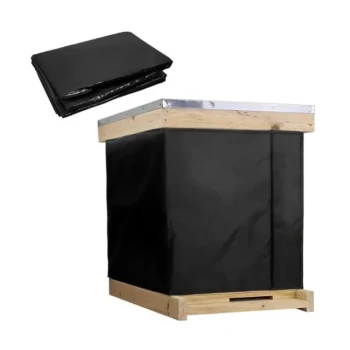
In especially cold regions, hive wraps, foam boards, tar paper, or heavy construction paper can provide an additional external thermal barrier.
The correct choice depends on the hive design, local precipitation, and seasonal temperature range. External insulation should be fitted securely and arranged so that it does not obstruct entrances, ventilation, or inspection access.
Use cavity-fill materials selectively
For some top-bar hive designs, the internal cavity can be supplemented with straw, hay, or wool blankets.
These materials can improve insulation, but they require careful moisture management and secure placement. They are less standardized than manufactured insulation products, which may be preferable for distributors serving varied commercial operations.
Control Ventilation Without Creating Drafts
Include dedicated ventilation openings
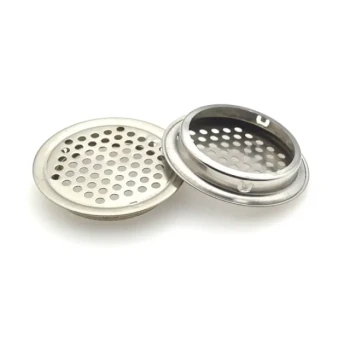
The reference design specifies 25 mm ventilation holes to help manage internal humidity.
Ventilation should support moisture removal without creating uncontrolled drafts across the winter cluster. Openings therefore need to be positioned and protected according to the hive design and local wind exposure.
Keep insulation breathable
Insulation should not seal the hive into an airtight enclosure.
Breathable cotton, wool, or comparable materials help retain warmth while allowing humid air to move. Poorly managed insulation can cause condensation, which may be more damaging to the colony than cold air alone.
Protect the Hive From Wind and Precipitation
Use a metal-shielded outer lid
A hive roof should be protected with galvanized steel or another durable metal covering.
Metal shielding prevents rain and melting snow from penetrating the lid and protects the wooden structure from wind-driven precipitation. Roofing felt can also provide weatherproofing, but metal is a particularly durable option for demanding commercial environments.
Apply an exterior weather-resistant coating
Outer wooden surfaces should receive a weather-resistant oil-based coating or paint.
This finish reduces moisture absorption and helps limit deterioration caused by rain, snow, and wind abrasion. Coatings should be applied to exterior surfaces while preserving appropriate internal breathability.
Use rot-resistant or plastic outer covers
Cypress or cedar covers offer a durable wooden solution when paired with a heavy-duty galvanized steel tray.
For operations prioritizing low maintenance and long service life, plastic outer covers provide a rot-proof alternative. The choice depends on the buyer’s priorities: natural materials and repairability versus consistent weather resistance and reduced maintenance.
Stabilize and Elevate the Hive Installation
Keep hives off the ground
Elevated hive stands help protect bottom boards from snow accumulation, ground dampness, cold drafts, and ground-dwelling pests.
Elevation also supports easier inspection and reduces the risk that wet ground conditions will degrade the hive base.
Install on a firm, level surface
Hives should stand on a stable, level foundation, such as a paving slab or equivalent firm surface.
In high-wind locations, stability is essential. A level base supports correct hive alignment, while a secure installation helps prevent movement and reduces stress on joints, lids, and stacked compartments.
Match the Product System to Commercial Requirements
Standardize components across the product range
Distributors and wholesalers can simplify fulfillment by offering compatible hive bodies, frames, bottom boards, roofs, insulation cushions, wraps, and stands.
Standardized dimensions reduce replacement complexity and make it easier for beekeepers to expand an apiary without mixing incompatible components.
Offer layered insulation options
A one-size-fits-all insulation package is rarely appropriate for every climate.
A stronger product portfolio can include double-wall wooden bodies, wool or cotton top insulation, exterior wraps, foam boards, and weatherproof covers so customers can select protection based on cold severity, wind exposure, and moisture conditions.
Prioritize fast replacement and service support
Severe-weather operations benefit from reliable access to replacement lids, covers, frames, insulation, and coated wooden components.
For B2B buyers, product consistency, rapid response, technical guidance, and efficient order fulfillment are as important as the insulation specification itself.
Understanding the Trade-offs
More insulation is not always better
Adding insulation can reduce heat loss, but excessive or poorly positioned insulation may restrict ventilation and increase condensation.
The objective is not to create a completely sealed box. It is to create a warm, dry, and controlled environment.
Natural materials require condition monitoring
Wool, cotton, straw, and hay are useful insulation materials, but they can absorb moisture or compress over time.
They should be kept dry, inspected periodically, and replaced when damp, degraded, or contaminated. Manufactured wraps and foam boards may offer more predictable performance for large commercial apiaries.
Heavy-duty protection can reduce accessibility
Metal roofs, wraps, and multi-layer walls improve weather resistance, but they can add weight and make inspections more cumbersome.
Detachable compartments and modular components help offset this limitation by allowing the beekeeper to work with individual sections rather than moving the entire hive.
Wooden and plastic covers serve different priorities
Rot-resistant wood offers a traditional, repairable solution, while plastic covers provide low-maintenance weatherproofing.
Neither is universally superior. The right choice depends on expected service life, operating conditions, customer preferences, and replacement logistics.
How to Apply This to Your Project
Select the hive as a complete winterization system rather than evaluating the timber, insulation, roof, and stand as unrelated components.
- If your primary focus is maximum cold protection: Specify kiln-dried pine or cedar bodies with double-layer walls and bottom boards, plus breathable wool or cotton insulation above the frames.
- If your primary focus is high-wind and wet-weather resistance: Choose a metal-shielded, weather-coated lid, secure the hive on a firm elevated base, and add an external wrap or weather barrier without blocking ventilation.
- If your primary focus is commercial standardization: Source modular compartments, compatible 435 × 230 mm frames, standardized insulation components, and interchangeable covers from a coordinated product portfolio.
- If your primary focus is low maintenance: Consider plastic outer covers, durable exterior coatings, and manufactured wraps or foam boards with predictable fit and replacement availability.
The most reliable severe-climate hive is insulated, ventilated, weatherproof, modular, and securely installed as one coordinated system.
Summary Table:
| Design Feature | Recommended Material/Component | Purpose |
|---|---|---|
| Hive Body | Kiln-dried pine or cedar | Structural strength, natural insulation, moisture resistance |
| Walls | Double-layer construction | Enhanced thermal barrier, reduced heat loss |
| Top Insulation | Wool or cotton cushion above frames | Retain heat, manage moisture |
| Ventilation | 25 mm openings | Control humidity without drafts |
| Roof | Metal-shielded lid (e.g., galvanized steel) | Weatherproofing, wind protection |
| Exterior Coating | Weather-resistant oil-based paint | Prevents moisture absorption, extends lifespan |
| Elevation | Hive stand off the ground | Avoid snow, dampness, pests; stability in wind |
| Modularity | Detachable compartments for 435×230 mm frames | Ease of inspection and expansion |
Ensure your bees thrive in harsh climates with our specialized beekeeping equipment. At HONESTBEE, we offer a comprehensive range of insulated, windproof hive systems and accessories tailored for commercial apiaries and distributors. Contact us today for wholesale pricing and customized solutions that prioritize your colony's health and your operational efficiency. Contact us now!
Related Products
- Professional Insulated Winter Hive Wrap for Beekeeping
- Professional Insulated Plastic Bee Hives
- Wholesales Dadant Size Wooden Bee Hives for Beekeeping
- Metal Hive Feet Bee Hive Stand for Ant Protection
- Stainless Steel Round Beehive Air Vents for Ventilation
People Also Ask
- What are the steps to properly wrap a beehive for winter? Ensure Your Colony Survives the Cold
- When is the best time to wrap a beehive for winter? A Guide to Perfect Winterization Timing
- How do professional insulation wraps provide protection for bee colonies? Optimize Winter Survival & Energy Efficiency
- What are the technical benefits of using winter wraps for beehive insulation? Boost Colony Survival & Hive Health
- What are the benefits of using insulated covers for hives? Ensure Colony Survival and Health