An industrial-grade bee vacuum utilizes a high-power exhaust fan to generate controlled airflow, enabling the rapid extraction of swarms from elevated or structurally complex locations. Unlike manual shaking or pruning, this technology draws bees into a buffered collection cage, ensuring high collection efficiency while drastically minimizing physical impact and injury to the insects.
Core Insight: The definitive advantage of this technology is the decoupling of "force" from "capture." By using adjustable negative pressure rather than physical impact, you can remove bees from inaccessible voids without compromising the structural integrity of the colony or the safety of the operator.
The Mechanics of Controlled Extraction
The High-Power Exhaust Fan
The core technical differentiator is the exhaust fan mechanism. Rather than relying on gravity (shaking) or manual brushing, the device uses pneumatic force to move the biological mass.
This allows for the capture of swarms located in high tree branches or structural voids where manual tools simply cannot reach.
Adjustable Wind Speeds
Crucially, these devices offer variable suction control. This allows the operator to dial in the precise amount of airflow needed based on the distance to the target and the density of the cluster.
This adjustability prevents the "sandblasting" effect, ensuring bees are transported quickly but not subjected to lethal velocity.
Protecting the Biological Asset
The Buffered Collection Cage
Efficiency is meaningless if the livestock is damaged during capture. Industrial vacuums deposit bees into a specifically designed buffered cage.
This cushion prevents the bees from striking hard surfaces upon entry, significantly reducing mortality rates compared to improvised vacuum solutions.
Minimizing Physical Impact
Manual methods often require shaking branches or scraping surfaces, which can crush bees or injure the queen.
The vacuum method eliminates this mechanical trauma. The airflow surrounds the bee, lifting it gently rather than forcing it against a surface.
Operational Versatility and Safety
Accessing Hard-to-Reach Recesses
Swarms frequently settle in challenging environments like chimneys, wall recesses, or deep vegetation.
The vacuum hose acts as a flexible extension of the beekeeper's reach, allowing for extraction from deep cavities where hands and brushes cannot fit.
Handling Aggressive Colonies
When dealing with unwanted hives or potentially aggressive genetics, minimizing human contact is a safety priority.
The vacuum allows for removal with minimal direct contact. This protects the operator from stings while maintaining a consistent removal speed.
Understanding the Trade-offs
The Risk of Operator Error
While the technology is advanced, it relies heavily on the operator's judgment.
If the wind speed is set too high for the hose diameter or distance, the velocity can damage the bees despite the buffered cage.
Equipment Complexity
Unlike a simple swarm box, this method introduces mechanical points of failure (fans, power sources).
It requires maintenance and a power supply, which limits its utility in extremely remote locations compared to low-tech manual methods.
Making the Right Choice for Your Goal
When deciding whether to deploy an industrial bee vacuum, consider the specific constraints of the removal site.
- If your primary focus is Structural Extraction: The vacuum is superior for removing bees from chimneys, walls, or soffits where physical access is impossible.
- If your primary focus is Operator Safety: This is the preferred tool for hot/aggressive hives, as it maximizes the distance between the operator and the colony during the initial capture.
- If your primary focus is Speed and Consistency: The device offers a predictable, efficient workflow that manual methods cannot match in complex environments.
Mastering the airflow settings is the single most important factor in converting this mechanical advantage into a successful, live recovery.
Summary Table:
| Feature | Technical Advantage | Impact on Colony |
|---|---|---|
| High-Power Exhaust | Rapid pneumatic extraction | Reach inaccessible heights/voids |
| Variable Suction | Adjustable airflow control | Prevents physical injury/trauma |
| Buffered Cage | Cushioned collection zone | Minimizes bee mortality rates |
| Remote Hose | Flexible extension reach | Reduced operator sting exposure |
Scale Your Apiary Operations with HONESTBEE
At HONESTBEE, we understand the technical demands of commercial beekeeping. As a leading global supplier, we provide commercial apiaries and distributors with high-performance industrial bee vacuums, hive-making machinery, and honey-filling equipment. Whether you are expanding your wholesale fleet or sourcing specialized consumables, our portfolio is designed to enhance your efficiency and safety.
Ready to upgrade your equipment? Contact us today to learn how our comprehensive machinery and hardware solutions can optimize your swarm recovery and honey production.
References
- M. A. Al-Rajhi, Yasser Kamal Osman Taha. MANUFACTURE AND EVALUATION OF A SOLAR UNIT FOR MANAGING APIARY. DOI: 10.21608/mjae.2021.59982.1024
This article is also based on technical information from HonestBee Knowledge Base .
Related Products
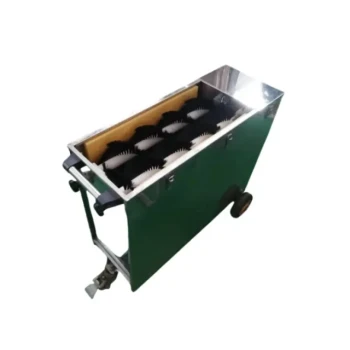
- Commercial Grade Vertical Electric Bee Sweeper for Bee Removal
- Portable Electric Bee Vacuum with Lithium Battery and 20L Collection Bucket
- HONESTBEE 72 Frame Industrial Electric Honey Extractor for Beekeeping
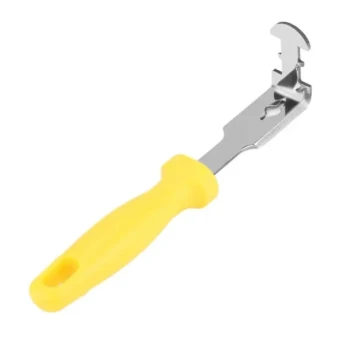
- Heavy Duty Stainless Steel Frame Cleaner with Plastic Handle
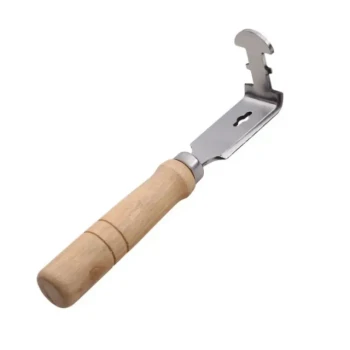
- Professional Stainless Steel Frame Cleaner with Ergonomic Wood Handle
People Also Ask
- What are the advantages of using professional bee sweepers? Boost Honey Harvesting Efficiency and Protect Your Hive
- How do standardized frames and professional bee-sweeping equipment contribute to apiary efficiency? Scale Your Harvest
- What are the specific functions of dedicated feeding systems and physical bee removal equipment in organic production?
- What are the benefits of using professional bee removal equipment during honey harvesting? Boost Purity and Efficiency
- What techniques and tools are used to clear bees from supers during honey harvesting? Efficient Solutions for Every Apiary