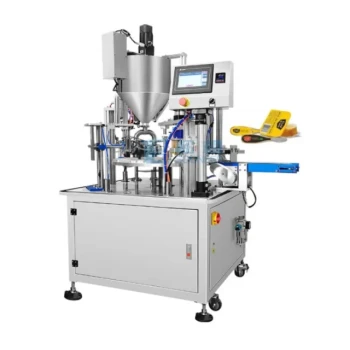
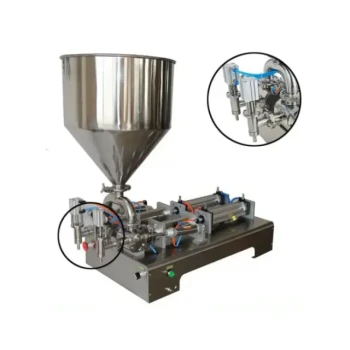
Automated honey filling machines serve as the technical foundation for scalable packaging operations by utilizing high-precision piston or weighing systems to strictly control net content volume. These systems function within an enclosed environment to isolate the product from external contaminants, ensuring biological safety while delivering the standardized consistency required for mass distribution.
Core Takeaway For large-scale distributors, the value of automation extends beyond simple speed; it establishes a rigid production protocol. By integrating precision metering with sanitary isolation, these machines transform variable manual processes into a standardized operation that ensures regulatory compliance, minimizes material waste, and guarantees brand reliability.
Precision Control and Waste Reduction
High-Precision Metering Systems
Automated machines employ advanced piston or weighing systems to dispense honey. Unlike manual filling, which is prone to human error, these mechanisms ensure the net content of every bottle meets specific industry standards with negligible deviation.
Minimizing Material Loss
Honey is a high-viscosity material, making it difficult to handle manually without spillage. Automated fillers utilize quantitative filling technology to strictly control flow, significantly reducing overflow and the loss of valuable raw material during the packaging process.
Standardization of Product Units
For large-scale operations, uniformity is critical. These machines ensure that the loading volume of each product unit is precise and consistent. This standardization is a critical hardware requirement for maintaining a professional image in the distribution market.
Ensuring Hygiene and Product Purity
The Enclosed Filling Environment
A primary technical benefit is the isolation of the product. Integrated filling units operate within a closed environment, effectively preventing external contaminants from contacting the honey during the vulnerable packaging phase.
Eliminating Secondary Contamination
Manual operations carry a high risk of introducing microbes. Automated processes remove direct human contact, minimizing the risk of secondary microbial contamination. This ensures the biological and hygienic safety of the final product.
Integrated Filtration
Many automated systems include precision filters within the filling unit. These filters remove small visible impurities immediately before the honey enters the container, ensuring the product complies with strict hygiene regulations required by health authorities.
Scalability and Market Readiness
High-Speed Throughput
To meet the demands of large-scale production, automated fillers utilize high-speed volumetric or mass-based metering. This significantly increases production line efficiency compared to manual methods, allowing for rapid scaling of operations.
Professional Sealing and Preservation
Beyond filling, these machines often integrate pneumatic sealing technology. A tight, automated seal extends the shelf life of the product and resolves measurement errors associated with loose capping.
Enhanced Brand Aesthetics
Automated systems provide professional, clean sealing and consistent fill lines. This standardization enhances the visual appeal and purchase appeal of the product, meeting consumer demands for high-quality, traceable goods.
Understanding the Operational Trade-offs
Calibration Complexity
The reliance on advanced metering control systems means that accuracy is heavily dependent on proper calibration. Operators must ensure the equipment is correctly tuned to the specific viscosity and temperature of the honey to avoid systemic errors across a large batch.
Standardization Dependencies
To achieve high efficiency, the input materials (jars and caps) must be uniform. The high-precision nature of these machines means they are less forgiving of irregular packaging materials than a manual operator might be.
Making the Right Choice for Your Goal
To maximize the value of an automated filling system, align the technology with your specific operational priorities:
- If your primary focus is Regulatory Compliance: Prioritize machines with a fully enclosed operating environment and integrated filtration to meet strict hygiene and biological safety standards.
- If your primary focus is Cost Control: Lean toward systems with high-precision quantitative filling technology to minimize the overflow and waste of high-viscosity materials.
- If your primary focus is Retail Branding: Focus on equipment that integrates filling with pneumatic sealing to ensure extended shelf life and consistent visual aesthetics on the shelf.
Automated honey filling is not just about moving faster; it is about securing the consistency and safety required to compete in a standardized global market.
Summary Table:
| Technical Feature | Primary Benefit | Impact on Operation |
|---|---|---|
| Piston/Weighing Systems | High-Precision Metering | Minimizes material waste and ensures regulatory volume compliance |
| Enclosed Environment | Sanitary Isolation | Prevents secondary contamination and ensures biological safety |
| Quantitative Technology | Consistent Fill Levels | Enhances brand aesthetics and professional market presentation |
| Pneumatic Sealing | Airtight Preservation | Extends product shelf life and secures container integrity |
| Integrated Filtration | Impurity Removal | Guarantees product purity and compliance with health regulations |
Elevate Your Honey Production with HONESTBEE
As a dedicated partner to commercial apiaries and global distributors, HONESTBEE understands that precision and hygiene are the pillars of a successful honey brand. We offer a comprehensive suite of beekeeping tools, industrial machinery, and essential consumables designed to scale your operations.
Whether you need high-speed honey-filling machines, specialized hive-making hardware, or unique honey-themed cultural merchandise, our wholesale solutions are tailored to maximize your efficiency and market appeal.
Ready to transform your production line?
Contact HONESTBEE Today to Discuss Your Wholesale Needs
References
- Fiammetta Remotti, Andréa Pieroni. ‘The rules of nature are changing; every year is unpredictable’: perceptions of climate change by beekeepers of Liguria, NW Italy. DOI: 10.1007/s10113-024-02242-3
This article is also based on technical information from HonestBee Knowledge Base .
Related Products
- Fully Automatic Honey Filling Packaging Machine for Processing Line
- Automatic Honey Filling and Filtering Machine for Beekeeping Bottle Filling
- Precision Durable Efficient HONESTBEE Rotary Honey Filling Machine
- Semi Automatic Small Honey Bottle Filling Machine Honey Filler
- Precision Automated Packaging Turntable Honey Spoon Filling Sealing Packing Machine
People Also Ask
- Why are fully automatic honey filling and packaging lines essential? Boost Your Honey's Market Value and Quality
- What is a fully-automatic honey filler? Streamline Your Production with High-Precision Automation
- How do automated honey filling and packaging machines affect profitability? Boost Margins with HONESTBEE Technology
- How do automated honey filling and packaging machines contribute to the market value of honey products? Maximize Your ROI
- How do industrial-grade automated honey filling and packaging machines mitigate the risk of physical contamination?