To maximize profitability for Trigona stingless bee honey, equipment must prioritize exceptionally high precision and minimal residual waste. Because this specific honey variety yields extremely low quantities—typically just 3 to 5 ml per hive per month—standard filling machinery causes unacceptable economic losses.
The Core Technical Imperative
Trigona honey combines extremely low yields with high unit value, high acidity, and low viscosity. Therefore, the "surface" requirement is filling accuracy, but the "deep" requirement is total product preservation: your equipment must offer micro-dosing capabilities, chemical resistance to acidity, and sterile processing to prevent fermentation in this moisture-rich liquid.
The Economic Necessity of Precision
Handling Micro-Volume Yields
The primary technical constraint is the scarcity of the raw material. With yields as low as 3 to 5 ml per hive monthly, the margin for error is non-existent.
Minimizing Residual Waste
Standard filling lines often retain significant fluid in pipes and hoppers. For Trigona honey, equipment must be designed with minimal dead volume to ensure virtually every milliliter extracted is packaged.
Ensuring Economic Viability
Because the market value of this honey is significantly higher than standard varieties, even minor drips or overfilling can destroy profitability. High-precision machinery is the only way to ensure small-scale production remains financially sustainable.
Managing Physical and Chemical Properties
Accommodating Low Viscosity
Stingless bee honey has a high water content, typically between 25% and 35%. Equipment must utilize high-precision metering pumps capable of dosing thin, runny liquids without splashing or leakage.
Chemical Stability and Material Selection
This honey has a distinct acidic flavor and high enzyme activity. The product contact surfaces of your machinery must be chemically inert to prevent corrosion and flavor alteration.
The Role of Glass Packaging
To cope with high acidity and preserve bioactive components, the filling line should be optimized for high-quality glass containers. Glass offers superior chemical stability and barrier properties compared to standard plastics.
Preservation and Hygiene Standards
Preventing Fermentation
Due to its high moisture content, Trigona honey is highly susceptible to fermentation. Filling equipment must feature sterile processing capabilities to eliminate secondary contamination risks.
Controlling Oxidation
High enzyme activity requires protection from air exposure. The equipment must employ high-specification sealing technology to prevent oxidation and ensure the biochemical stability of the product.
Temperature and Humidity Control
To preserve unique medicinal properties, the packaging environment should integrate temperature control and dehumidification. This protects anti-inflammatory and antioxidant compounds from degradation during the filling process.
Understanding the Trade-offs
Speed vs. Accuracy
You must sacrifice throughput speed for dosing accuracy. Unlike standard honey lines designed for bulk velocity, Trigona equipment functions better closer to pharmaceutical standards, where precision outweighs speed.
Flexibility vs. Specialization
Equipment designed for standard viscous honey often fails with the watery consistency of stingless bee honey. Investing in specialized, lower-viscosity filling gear reduces product loss but may limit your ability to package thicker honey varieties on the same line.
Making the Right Choice for Your Goal
When selecting your equipment, align the technical specifications with your target market:
- If your primary focus is the Pharmaceutical or Beauty Market: Prioritize equipment compatible with small-format packaging, such as eye-dropper bottles or cosmetic cream jars, to maximize the value per milliliter.
- If your primary focus is High-End Retail Food Sales: Focus on labeling automation that highlights geographical indication and species origin to justify the premium price point to consumers.
- If your primary focus is Long-Term Storage and Export: Invest heavily in high-integrity sealing and sterile filling technologies to mitigate the high risk of fermentation during transport.
Success with Trigona honey requires treating it not as a bulk food product, but as a high-value liquid asset requiring pharmaceutical-grade handling.
Summary Table:
| Technical Feature | Trigona Honey Requirement | Strategic Importance |
|---|---|---|
| Dosing Precision | Micro-volume (3ml - 5ml) | Prevents economic loss from high-value, low-yield crops |
| Material Safety | Acid-resistant (316L Stainless/Glass) | Protects equipment from corrosion and preserves honey flavor |
| Flow Control | Low-viscosity metering pumps | Ensures splash-free filling for watery, high-moisture honey |
| Hygiene Level | Sterile, anti-fermentation processing | Prevents spoilage due to high moisture and enzyme activity |
| Waste Reduction | Minimal dead volume design | Ensures maximum recovery of precious raw materials |
Scale Your Trigona Honey Production with HONESTBEE
Transitioning from raw harvest to a high-value retail product requires precision-engineered solutions. HONESTBEE caters to commercial apiaries and distributors with a comprehensive wholesale offering designed to maximize your profitability.
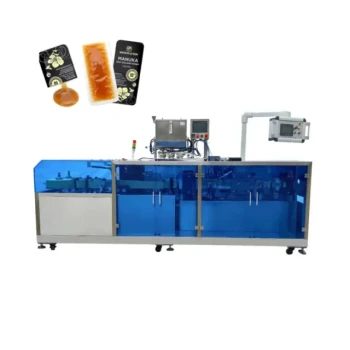
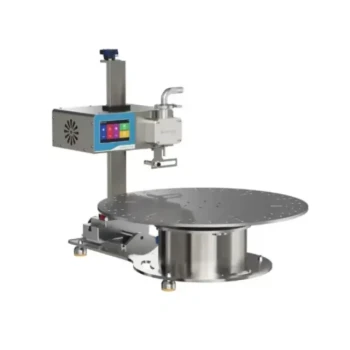
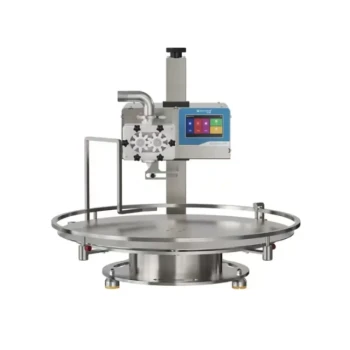
We supply the full spectrum of industry-leading hardware, from high-precision honey-filling machines optimized for low-viscosity yields to specialized hive-making equipment and essential consumables. Whether you are building a pharmaceutical-grade packaging line or a high-end boutique brand, our tools ensure every drop of your stingless bee honey is preserved and packaged to perfection.
Ready to upgrade your processing capabilities?
Contact our equipment specialists today to discuss how our specialized machinery can enhance your apiary's efficiency and product quality.
References
- I Ketut Selamet, A. A. Sri Purnami. Management of Investment Feasibility in Strengthening the Trigona Bee Cultivation Organization in Bongkasa Pertiwi Village, Abian Semal District, Badung District. DOI: 10.55927/ajma.v3i1.7792
This article is also based on technical information from HonestBee Knowledge Base .
Related Products
- Double Nozzle Small Honey Filling Machine Honey Sachet Packing Packaging Equipment
- Small Honey Filling Machine Sachet Packing Equipment Single Nozzle
- Fully Automatic Honey Filling Packaging Machine for Processing Line
- Economy Small Honey Filling Machine Honey Bottle Filler Packaging Machine
- Automatic Honey Filling and Filtering Machine for Beekeeping Bottle Filling
People Also Ask
- What value do retail packaging equipment and filling technologies provide in the honey distribution process? Maximize ROI
- How does industrial honey-filling machinery support Robinia pseudoacacia stands? Maximize Your Acacia Honey Yield
- Why is precision temperature control necessary for red honey filling? Preserve Amorpha fruticosa Color and Aroma
- What is honey filling equipment used for? Optimize Your Bottling with Precision Automation
- How does high-precision honey filling equipment protect honey's biological activity? Safeguard Purity & Premium Value