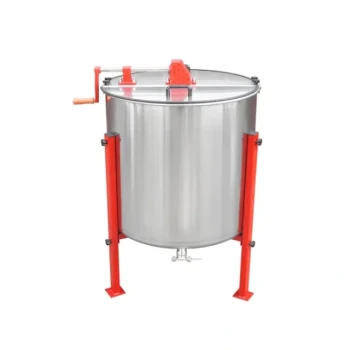
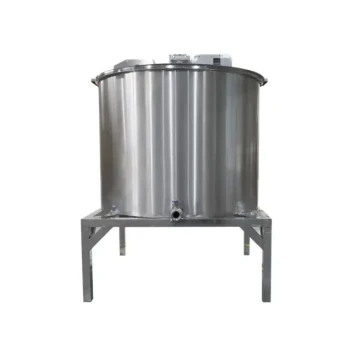
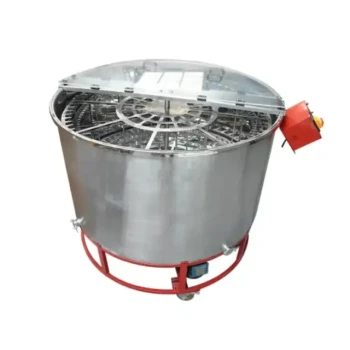
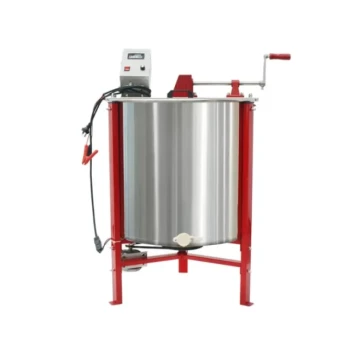
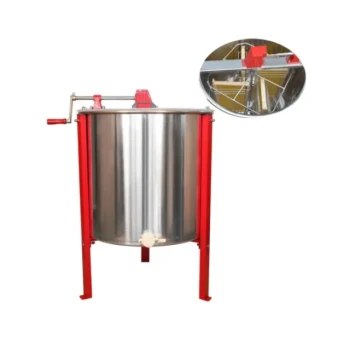
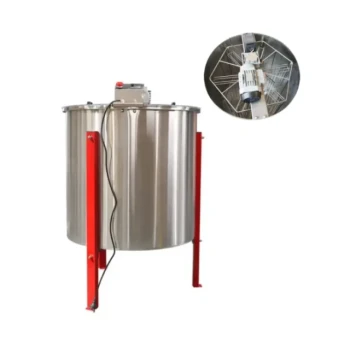
For optimal durability and hygiene, honey extraction equipment should be constructed from 26-gauge stainless steel. Key technical specifications must include a versatile frame capacity (supporting radial or tangential orientation), a multi-micron filtration system ranging from 200 to 600 microns, and a 1 1/2 inch precision-machined honey gate to ensure a clean, controlled flow.
Core Takeaway Selecting the right extraction equipment requires balancing rugged construction with precision handling; the goal is to maximize honey yield and clarity while preserving the wax comb’s structural integrity for future use.
Durability and Construction Standards
The Importance of 26-Gauge Stainless Steel
The primary specification for the main drum should be 26-gauge stainless steel. This material provides the necessary rigidity to withstand the vibration of centrifugal force.
Unlike plastic or galvanized metal, stainless steel prevents corrosion from acidic honey. It ensures the equipment remains sanitary and easy to clean over decades of use.
Precision Components
Look for a precision-machined honey gate, typically standardized at 1 1/2 inches.
A poorly fitted gate leads to leaks and a messy workspace. A machined gate ensures a tight seal and a clean "cut" when filling bottling pails.
Mechanics of Extraction and Filtration
Versatile Frame Capacity
High-quality extractors feature versatile frame capacity. This allows operators to switch between radial (frames radiating from the center) and tangential (frames facing the wall) loading.
This flexibility allows you to adapt to different frame sizes and honey viscosities. It ensures you can extract from the deep brood frames or shallow super frames efficiently.
Multi-Stage Filtration Specs
To meet high-quality standards, the system should employ multi-micron filtration.
Specifications typically range from 200 to 600 microns. This specific range is critical: it removes wax caps and debris but preserves the honey's natural pollen and nutritional content.
Controlled Centrifugal Force
Modern electric extractors utilize controlled centrifugal force.
This specification is vital for maintaining stable rotation speeds. Stability achieves a higher honey yield in shorter cycles compared to manual cranking.
Understanding the Trade-offs
Comb Preservation vs. Low-Tech Methods
Methods like "crush and strain" require minimal equipment (a tub and cheesecloth) but destroy the honeycomb.
In contrast, centrifugal extractors preserve the structural integrity of the wax combs. This allows combs to be reused, significantly reducing the energy bees must expend to rebuild wax.
Manual vs. Electric Stability
Manual extractors are cost-effective but rely on human consistency.
Electric extractors provide consistent speed control. This prevents "comb blowout"—where centrifugal force destroys the wax—which is a common risk when rotation speed fluctuates in manual operation.
Making the Right Choice for Your Goal
Select your equipment specifications based on your production volume and long-term hive health goals.
- If your primary focus is longevity and hygiene: Prioritize equipment made of 26-gauge stainless steel to resist corrosion and wear.
- If your primary focus is hive productivity: Choose an electric extractor with stable rotation speeds to preserve drawn comb and save your bees' energy.
- If your primary focus is product clarity: Ensure your setup includes a filtration system capable of 200 to 600 micron screening to remove impurities without stripping pollen.
Investing in precision specifications today ensures a cleaner harvest and healthier hives for seasons to come.
Summary Table:
| Specification | Recommended Standard | Primary Benefit |
|---|---|---|
| Material | 26-Gauge Stainless Steel | Maximum durability, hygiene, and corrosion resistance. |
| Honey Gate | 1 1/2 Inch Precision-Machined | Ensures a leak-proof seal and controlled honey flow. |
| Filtration Range | 200 to 600 Microns | Removes wax and debris while preserving natural pollen. |
| Frame Orientation | Radial and Tangential | Provides versatility for different frame sizes and viscosities. |
| Power Source | Electric (Variable Speed) | Prevents comb blowout and ensures higher yield via stability. |
Scaling Your Apiary Operations with HONESTBEE
At HONESTBEE, we understand that commercial success in beekeeping depends on the precision and durability of your equipment. As a leading global provider for commercial apiaries and distributors, we offer a comprehensive wholesale portfolio—from 26-gauge stainless steel extractors and honey-filling machines to advanced hive-making hardware and essential industry consumables.
Whether you are upgrading your extraction facility or sourcing high-quality beekeeping tools for distribution, our team provides the technical expertise and machinery you need to maximize efficiency and honey quality.
Ready to elevate your production? Contact us today to explore our wholesale solutions and let us help you build a more productive honey business!
Related Products
- Electric 8 Frame Honey Spinner Extractor Equipment for Beekeeping
- HONESTBEE 2 Frame Manual Acrylic Honey Extractor Beekeeping Equipment
- 6 Frame Manual Stainless Steel Honey Extractor Beekeeping Equipment
- 32 Frame Commercial Electric Honey Extractor for Beekeeping and Honey Production
- HONESTBEE 72 Frame Industrial Electric Honey Extractor for Beekeeping
People Also Ask
- What are the advantages of an electric honey extractor? Boost Efficiency and Scale Your Honey Production
- What are the characteristics of electric honey extractors? Boost Your Apiary Efficiency with Automated Technology
- What are the disadvantages of using an electric honey extractor? Weighing Cost, Power, and Comb Safety
- What are the features of an electric honey extractor? Boost Your Apiary's Productivity with Motorized Efficiency
- What are the technical advantages of electric honey extractors? Maximize Yield and Protect Your Bee Colony