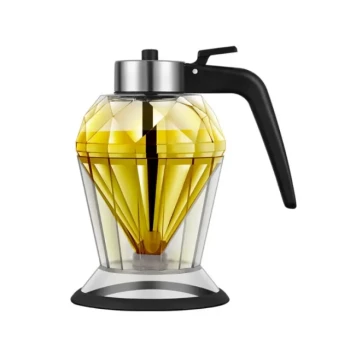
For effective spring feeding, the most recommended method is using a dripping feeder, such as a simple inverted mason jar with holes in the lid, filled with a thin 1:1 sugar syrup. This specific combination creates a slow-release mechanism that mimics natural nectar availability, encouraging colony activity without overwhelming the hive with storage.
Spring feeding is fundamentally about stimulation, not just starvation prevention. By simulating a steady nectar flow with thin syrup, you trigger a biological response that prompts the queen to lay eggs and accelerates the colony's recovery from winter.
The Mechanics of Spring Stimulation
The Role of the 1:1 Ratio
In the spring, your goal is to mimic the consistency of natural nectar. A 1:1 syrup ratio (one part sugar to one part water) provides a thin, easily digestible carbohydrate source.
This mixture is not intended for long-term winter storage. Instead, it offers immediate energy that the bees burn to fuel the intense work of rebuilding the colony population.
Why "Dripping" Feeders are Superior
The method of delivery is just as critical as the recipe. A dripping feeder, like a perforated mason jar, dispenses syrup slowly.
This slow pace is vital because it functions as a stimulative feed. It tricks the colony into believing a natural nectar flow has begun outside the hive, even if the weather is still inconsistent.
Triggering the Queen
The primary biological benefit of this slow, steady influx of resources is its effect on the queen.
When the workers bring in this "artificial nectar" consistently, it signals the queen to begin high-intensity egg-laying. This allows the colony to rapidly replace winter losses and build the population necessary for the upcoming season.
Fueling Wax Production
Beyond reproduction, the colony requires significant energy to expand its physical structure.
The thin 1:1 syrup provides the high-energy fuel workers need to secrete and build wax. This is essential for repairing comb or drawing out new foundation to house the expanding brood.
Understanding the Trade-offs
The Risk of Rapid Feeding
While it might seem efficient to provide food as fast as possible, using high-volume rapid feeders in the spring can be counterproductive.
If the bees take down syrup too quickly, they will instinctively store it in the cells rather than consume it immediately.
Avoiding a "Honeybound" Hive
The primary reference highlights that slow dripping feeders prevent the rapid accumulation of feed in the comb.
If the comb becomes clogged with stored sugar syrup, there is no empty space left for the queen to lay eggs. This condition, known as being "honeybound," can inadvertently stall the very population growth you are trying to encourage.
Making the Right Choice for Your Colony
To maximize your colony's health this spring, align your feeding strategy with the bees' biological needs.
- If your primary focus is population growth: Use a dripping mason jar feeder to simulate a natural flow and trigger the queen’s egg-laying instincts.
- If your primary focus is comb building: Ensure a steady supply of 1:1 syrup to provide the immediate caloric energy workers need for wax secretion.
By controlling the pace and consistency of the feed, you turn a simple sugar solution into a powerful management tool.
Summary Table:
| Feature | Recommendation | Primary Benefit |
|---|---|---|
| Syrup Ratio | 1:1 (Sugar:Water) | Mimics natural nectar; provides immediate energy |
| Feeder Type | Dripping / Inverted Jar | Prevents honeybound hives; simulates steady flow |
| Management Goal | Stimulation | Triggers queen to lay eggs and colony to build wax |
| Risk to Avoid | Rapid Feeding | Prevents syrup storage from clogging brood space |
Scale Your Apiary Operations with HONESTBEE
Are you a commercial apiary or a distributor looking to optimize hive productivity? HONESTBEE specializes in professional-grade beekeeping solutions designed for large-scale success. From precision feeding tools and hive-making machinery to honey-filling equipment and a full range of industry consumables, we provide everything you need to support healthy, thriving colonies.
Partner with HONESTBEE today to access premium wholesale equipment and expert support. Contact us now to discuss your requirements!
Related Products
- 3.5L Plastic Beehive Frame Feeder Deep Frame Water Feeder for In Hive Use
- HONESTBEE Entrance Bee Feeder Efficient Hive Front Liquid Feeding Solution for Beekeeping
- Rapid Bee Feeder White Plastic 2L Round Top Feeder for 8 or 10-Frame Bee Hives
- Professional Hive Top Bee Feeder for Beekeeping
- Modern Honeycomb Pattern Wooden Honey Dipper for Stirring and Drizzling
People Also Ask
- What are the technical advantages of using frame feeders for beehives? Maximize Efficiency and Colony Survival
- Can plastic frames be used in any type of beehive? Maximize Your Apiary Efficiency with Durable Solutions
- What are the technical functions and design requirements of plastic feeders? High-Performance Sourcing for Distributors
- What are the advantages of feeding bees inside the hive? Top Benefits for Colony Security and Health
- Are plastic bee hive frames good? A Guide to Modern Durability vs. Natural Appeal